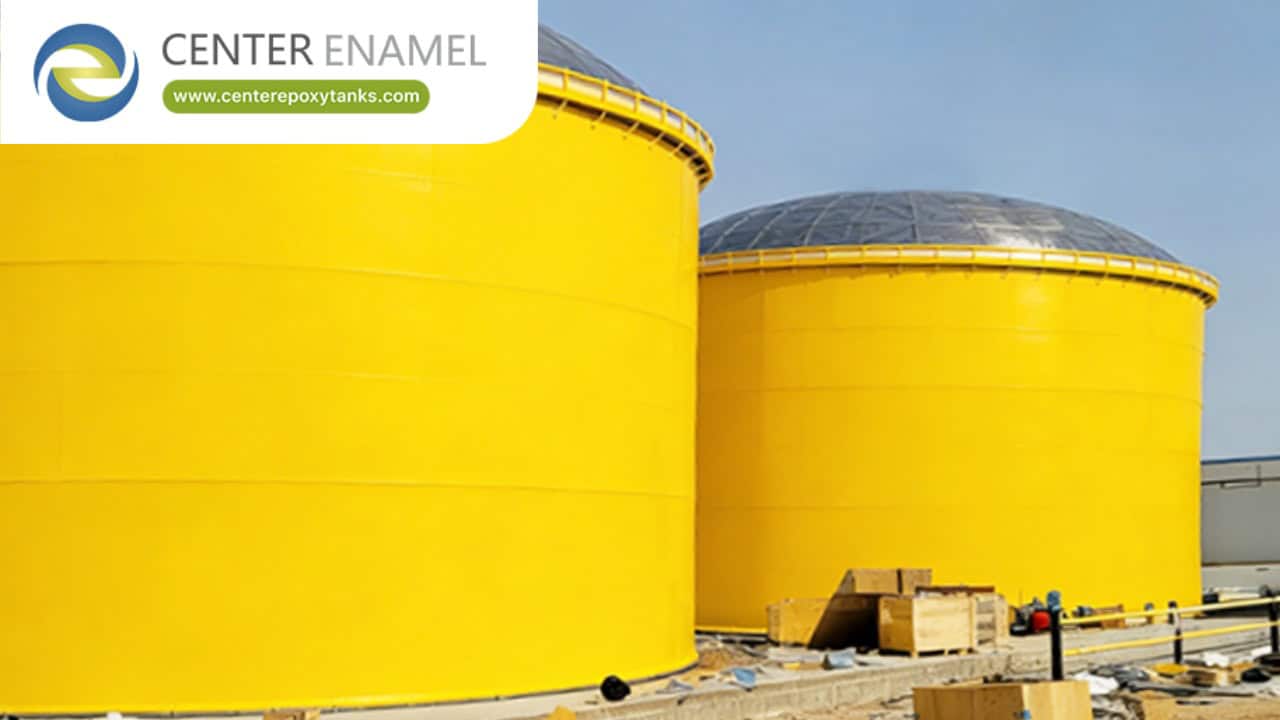
Why Is the Industry Willing to Choose Internal Floating Roofs?
In the evolving landscape of global industrial storage, the protection of high-value volatile liquids—such as crude oil, gasoline, and chemical feedstocks—is a primary engineering objective. As environmental regulations tighten and asset safety becomes an uncompromising priority, the Internal Floating Roof (IFR) has transitioned from a specialized option to the global industry standard.
For operators at facilities across more than 100 countries, the adoption of IFR technology, engineered in strict compliance with API 650 Appendix H, is a strategic investment in both profitability and operational resilience. Here is why industry leaders are universally willing to choose IFR systems for their infrastructure.
1. Radical Emission Reduction and Regulatory Compliance
The most immediate driver for IFR adoption is the critical need to manage Volatile Organic Compound (VOC) emissions.
● Source Suppression: Because the IFR rests directly on the liquid surface, it creates a physical barrier that prevents evaporation, suppressing VOC emissions by up to 95% to 98%.
● Regulatory Alignment: Implementing this technology allows facilities to comfortably meet stringent international environmental protection standards, avoiding the risk of non-compliance fines and operational shutdowns.
2. Inventory Loss Prevention (ROI)
Vapor loss is synonymous with revenue loss. By preventing the natural "breathing" of tanks—where hydrocarbons evaporate due to ambient temperature changes—IFRs preserve product volume and revenue.
● Integrity Preservation: For high-value chemical and refined petroleum blends, IFRs ensure the product retains its precise chemical composition by preventing the evaporation of lighter, more volatile fractions.
3. Passive Fire Safety and Explosion Mitigation
In petrochemical storage, mitigating risk is paramount. IFRs provide a passive, mechanical safety layer that operates continuously without human intervention.
● Fire Triangle Disruption: By eliminating the volatile vapor headspace above the liquid, IFRs prevent the accumulation of air-hydrocarbon mixtures that reach the Lower Explosive Limit (LEL), effectively mitigating the risk of flash fires.
● Static Dissipation: Modern IFRs are engineered with integrated electrical bonding cables and shunts. These components maintain continuous contact with the tank shell to safely dissipate static electricity generated during high-velocity pumping operations, preventing spark-related ignitions.
4. Enhanced Operational Synergy
When IFR technology is integrated with other advanced infrastructure, the operational benefits compound.
● Clear-Span Integration: When paired with Aluminum Geodesic Dome Roofs (ADR), IFRs benefit from a column-free environment.
● Reduced Mechanical Wear: The absence of internal support columns prevents friction points that typically wear down peripheral rim seals, significantly extending the service life of the roofing asset.
Comparison of Storage Roofing Solutions
Feature | Fixed-Roof Tank (No IFR) | Storage Tank with API 650 IFR |
Emission Control | None (High VOC loss) | Up to 98% Reduction |
Fire Hazard | High (Flammable Headspace) | Minimized (Vapor Suppressed) |
Product Purity | Low (Loss of light fractions) | Maintained Integrity |
Static Safety | Vulnerable during filling | Dissipated via Grounding |
A Strategic Investment in Lifecycle Value
The industry’s willingness to adopt Internal Floating Roofs is rooted in a focus on Total Cost of Ownership (TCO). While an IFR requires an initial capital investment, the return is delivered through decades of reduced inventory loss, avoided environmental penalties, and significantly improved site safety.
Center Enamel provides the engineering expertise and precision manufacturing necessary to integrate API 650-compliant IFR systems into your infrastructure, ensuring your facility meets the demands of modern global energy standards.


