Welded Steel Tanks

Welded Steel Tanks

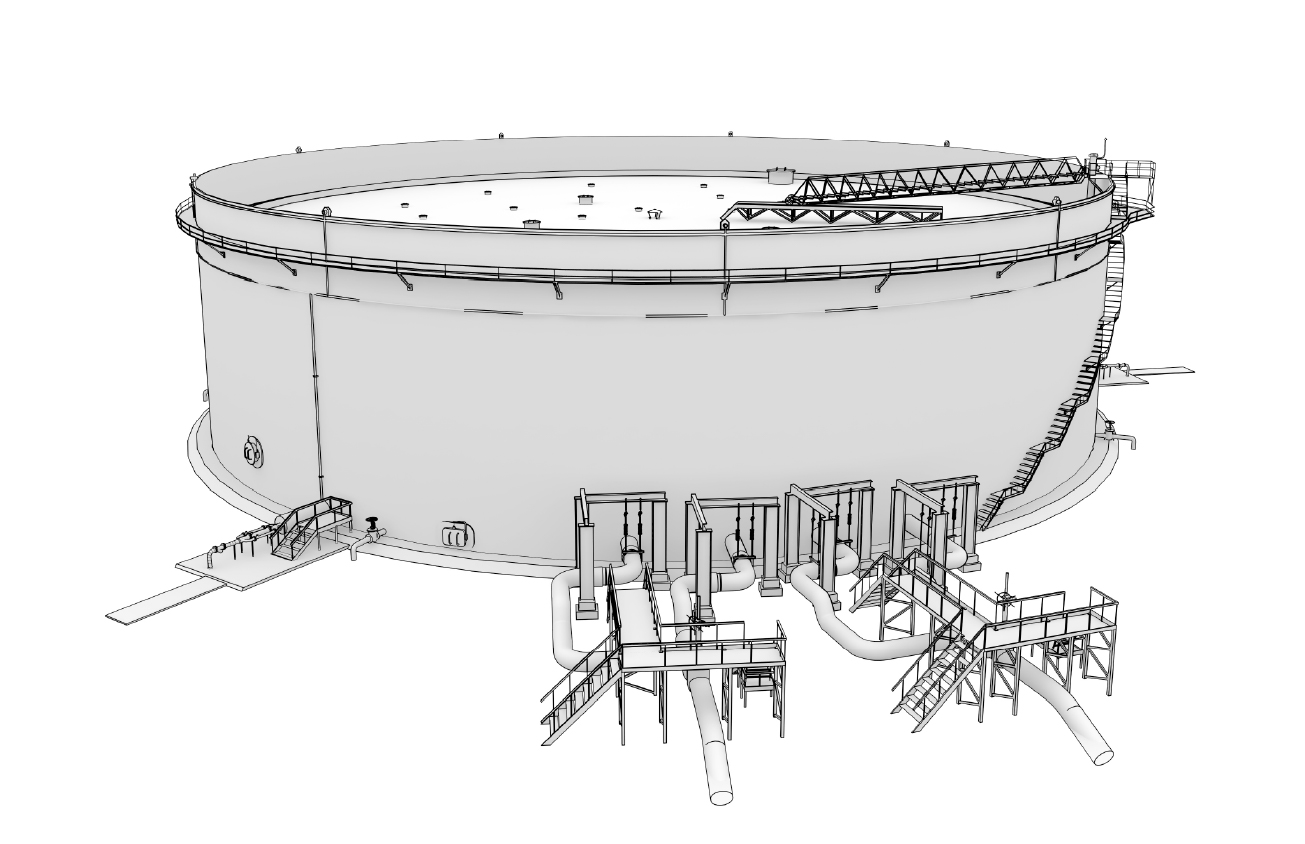
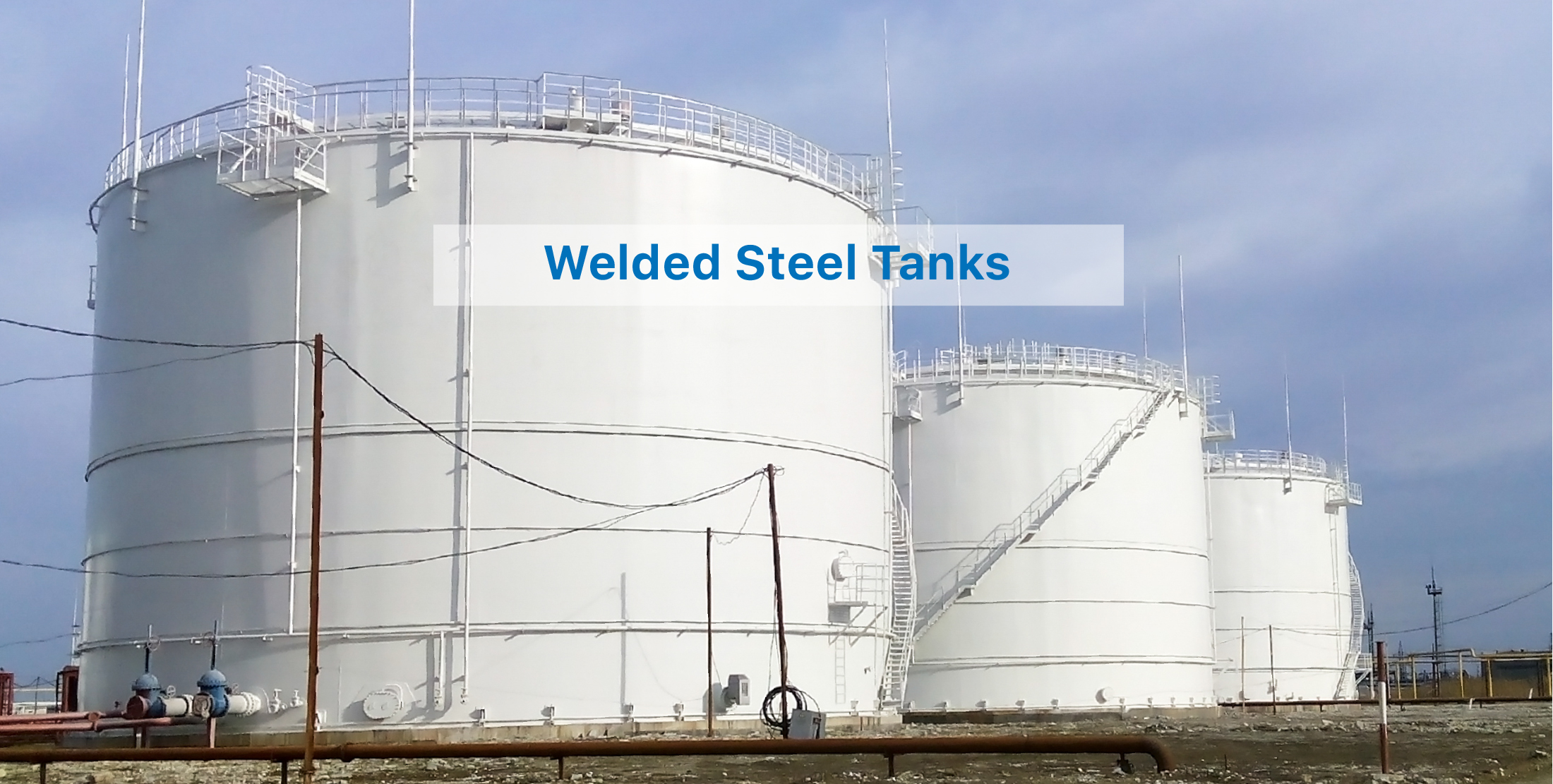
Welded steel tanks are monolithic storage vessels engineered for high-pressure, high-temperature, and hazardous liquid containment. Unlike bolted alternatives, welded tanks offer a seamless fusion of high-grade carbon or stainless steel, achieving 100% joint efficiency (E = 1.0) per API 650 and ASME Section VIII standards. Center Enamel leverages over 30 years of expertise to manufacture custom-welded solutions featuring ISO 12944-compliant coating systems and rigorous NDT (Non-Destructive Testing). Designed for a 30–50 year service life, these tanks are the industry standard for crude oil, petrochemicals, and critical municipal water infrastructure worldwide.


资源 30.jpg


Design Standards  

Technical Specification & Material Matrix


Feature

Technical Specification (2026 Standard)

Strategic Industrial Value

Design Standards

API 650, API 620, AWWA D100, ASME VIII

Mandatory for global refinery and municipal audits.

Primary Materials

ASTM A36, A516 Gr. 70, SS304/316L

Optimized for fracture toughness and yield strength.

Welding Protocols

SAW (Submerged Arc) / GMAW Precision

Seamless joints with maximum structural integrity.

Corrosion Class

ISO 12944 (C3 to C5-M High)

Verified protection for marine and industrial zones.

Inspection (NDT)

Radiographic (RT), Ultrasonic (UT), MT

Zero-tolerance for weld porosity or discontinuities.

Design Life

30 to 50 Years

Lowest Total Cost of Ownership (TCO).


Welded Steel Tanks Advantages 

Engineering Advantages of Welded Containment


Monolithic Structural Integrity

Welded construction fuses steel plates into a single, cohesive unit, offering distinct advantages over mechanical fasteners:

  • Superior Sealing & Zero Leakage: Fusion-welded joints eliminate the gaskets and bolts that can degrade over time. This is critical for storing Volatile Organic Compounds (VOCs) and hazardous chemicals where vapor tightness is a safety mandate.

  • Extreme Load Resilience: Using Finite Element Analysis (FEA), our engineers design tank shells to withstand hurricane-force winds (240km/h+), high seismic ground acceleration, and significant internal hydrostatic pressures.

  • Bespoke Customization: We offer total flexibility in diameter-to-height ratios, allowing for "tall and narrow" or "short and wide" configurations to fit restricted industrial footprints.

Welded  Steel Tank Coating  

Depending on the application, the primer and topcoat thickness for welded steel tanks may vary. We follow the ISO 12944 standard (Paints and Varnishes – Corrosion Protection of Steel Structures by Protective Paint Systems).

ISO 12944 Overview

Advanced Corrosion Protection: ISO 12944 Standards

Center Enamel ensures longevity through scientifically calibrated coating systems. We utilize ISO 12944 to determine the optimal paint system based on the environmental corrosivity category:


C3 (Urban/Industrial): Standard protection for moderate environments.

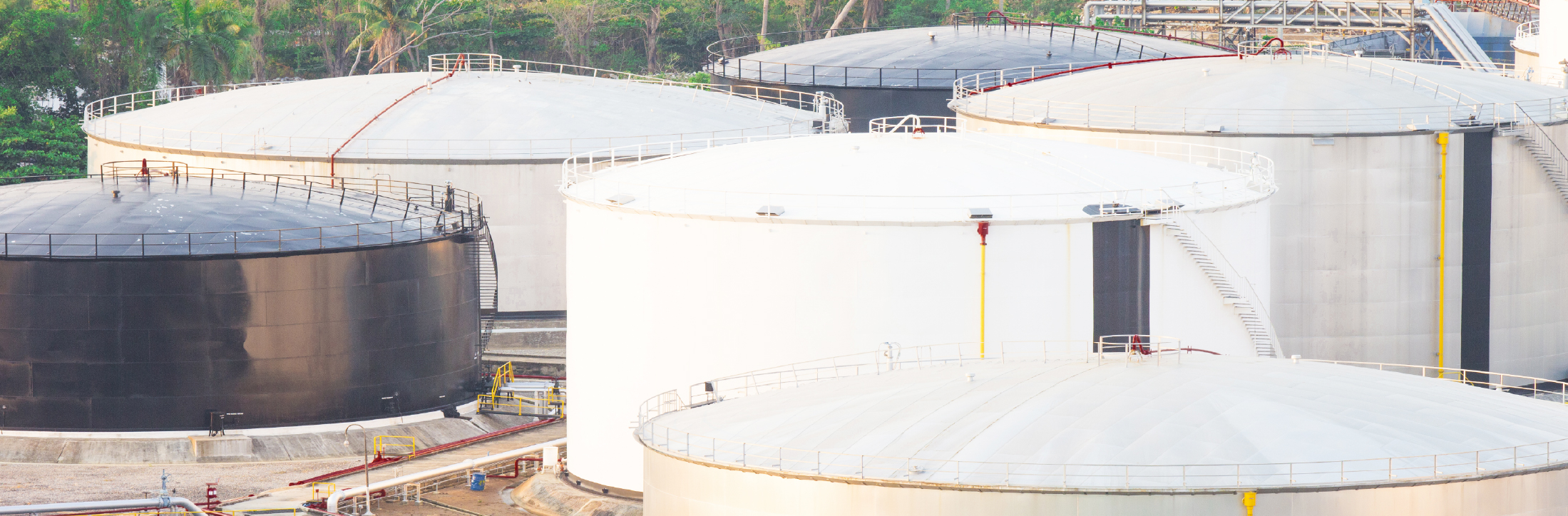
C5-I / C5-M (Aggressive/Marine): High-thickness epoxy and polyurethane systems for coastal refineries and chemical plants.

Internal Linings: Specialized phenolic or novolac epoxy linings are applied for "sour" crude, acids, and alkalis to prevent internal pitting and HIC (Hydrogen Induced Cracking).

Applications  

Multi-Sector Applications


Energy & Petrochemicals: Secure storage for crude oil, refinery distillate oils, ethanol, and biofuels.


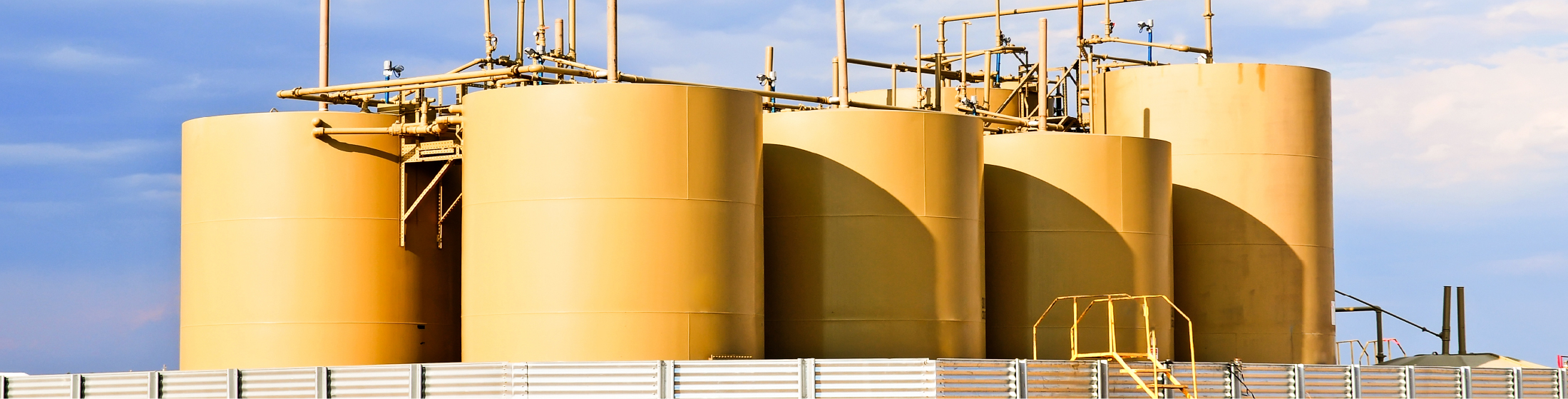
Industrial Fluids: Containment of drilling fluids, slurries, acids, and alkalis.


Water & Agriculture: High-capacity reservoirs for drinking water (NSF/ANSI 61 compliant), fire water, irrigation, and liquid fertilizers.


Bulk Solids: Specialized welded silos for dry bulk goods and minerals requiring moisture-proof containment.

资源 29.jpg

Welded Steel Tank Manufacturing Process

The Manufacturing & Quality Lifecycle

Every Center Enamel welded tank undergoes a standardized, high-precision production cycle:

Material Selection: Sourcing certified ASTM/EN steel plates with verified mill test reports (MTR).

Precision Fabrication: CNC plasma cutting and plate rolling to ensure exact tolerances for on-site fit-up.

Monitored Welding: Execution by certified welders (AWS/ASME) using automated SAW processes for consistent penetration.

Comprehensive NDT: 100% radiographic or ultrasonic testing of critical T-joints to ensure zero defects.

Surface Treatment: Grit blasting to SA 2.5 followed by automated coating application in a climate-controlled environment.

资源 32.jpg

Chat with us