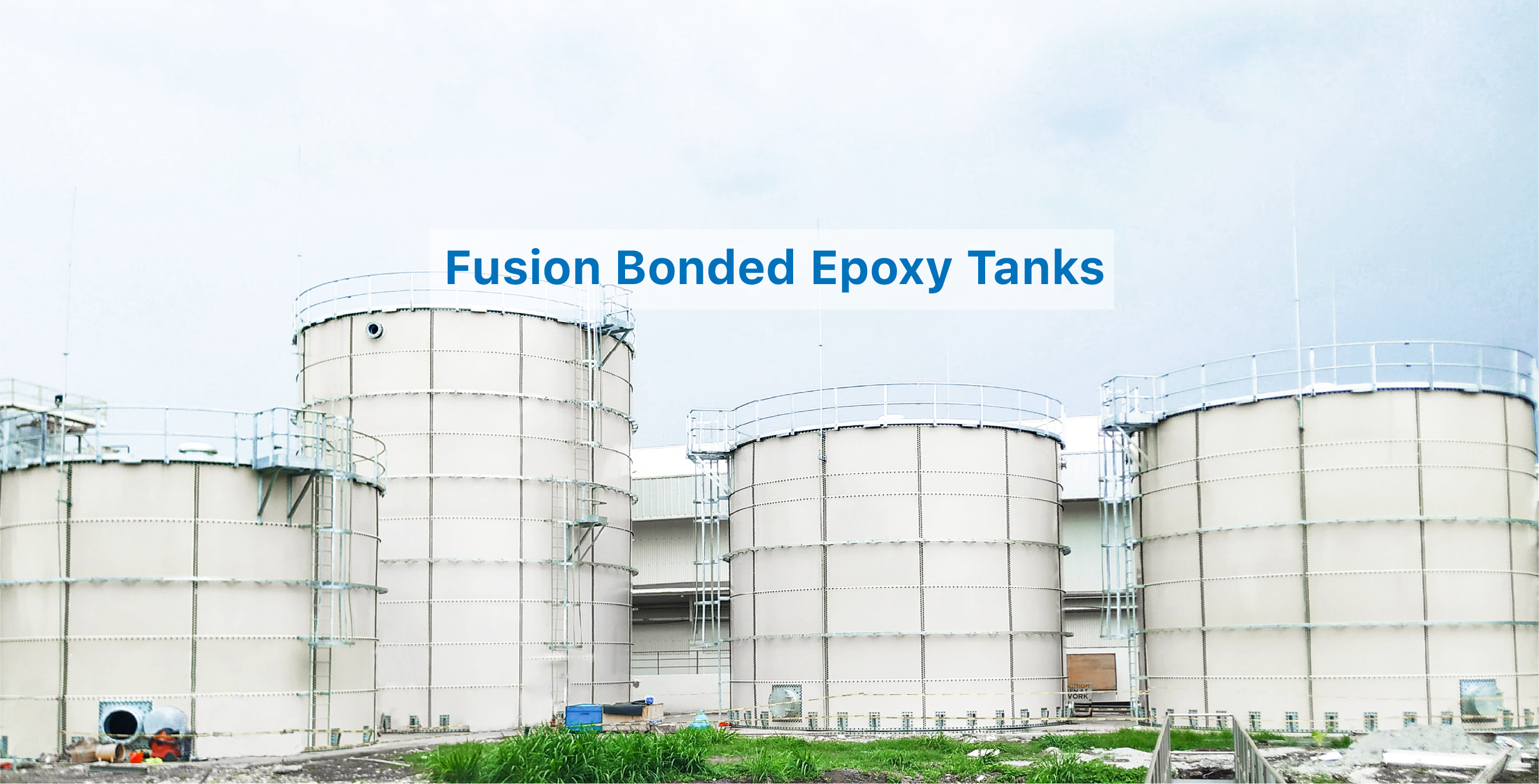
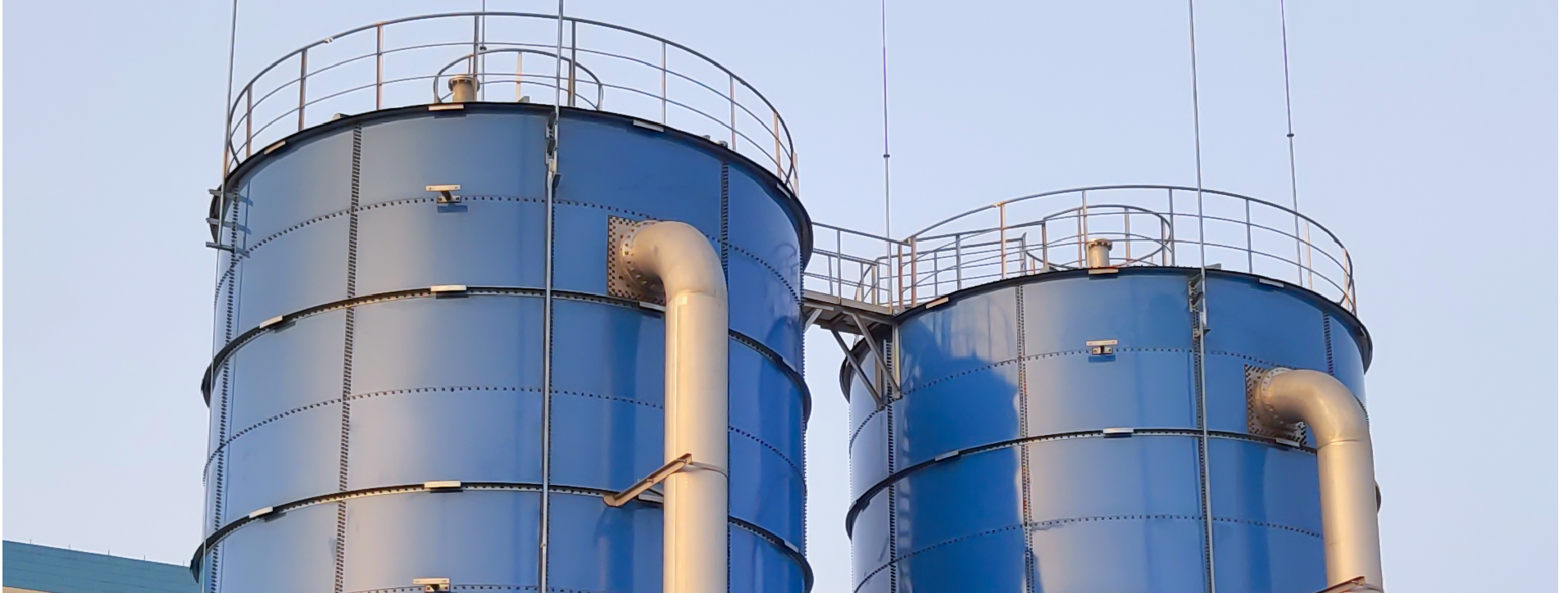
Advantages of Fusion Bonded Epoxy (FBE) Bolted Steel Tanks
In the modern industrial landscape, liquid storage infrastructure is evaluated by its Total Cost of Ownership (TCO) and Structural Resilience. Fusion Bonded Epoxy (FBE) tanks from Center Enamel offer a superior alternative to traditional concrete and welded steel, combining factory-precision coating with modular assembly speed.
Below is a technical analysis of why FBE technology is the global engineering choice for potable water, industrial wastewater, and fire suppression systems.
1. Superior Corrosion Defense & Coating Integrity
Unlike field-applied paint, FBE is a thermoset polymer that is electrostatically applied and thermally fused to a pre-heated steel substrate. This creates a high-density, molecularly cross-linked barrier.
● Zero-Discontinuity Guarantee: Every panel undergoes a high-voltage Holiday Test (≥1100V) to ensure the coating is 100% free of pinholes or microscopic defects.
● Edge Protection Technology: The electrostatic process ensures uniform coverage of panel edges and bolt holes, critical areas where traditional coatings typically fail.
● Chemical Versatility: Tested for stability across a wide pH range (3 to 13), making these tanks ideal for aggressive industrial effluents and chemical brines.
2. Unmatched Mechanical & Environmental Resilience
FBE tanks are engineered to survive extreme physical stress and environmental conditions.
● High Impact Resistance: Tested to ASTM G14 standards (Pass >18J), the coating resists cracking and chipping during international transport and site handling.
● UV & Weather Stability: Utilizing AkzoNobel Interpon topcoats, our tanks maintain color and gloss integrity even in high-UV environments like the Middle East (as seen in our Saudi Arabia Fire Water Projects).
● Seismic & Wind Compliance: Engineered to ASCE 7-22, our modular tanks provide the flexible strength necessary for high-seismic zones and wind speeds up to 250 km/h.
3. Logistical & Operational Efficiency
Modular construction offers a strategic advantage in project timelines and site footprint.
● Rapid Deployment: Bolted FBE tanks can be commissioned in 1/3 the time required for reinforced concrete, with no on-site welding or climate-sensitive curing required.
● Logistical Superiority: High-density packing in standard shipping containers significantly reduces international freight costs—a major advantage for projects in Southeast Asia and Africa.
● Field Repairability: Unlike Glass-Fused-to-Steel, FBE coatings can be easily repaired on-site if mechanical damage occurs, ensuring continuous operation without tank replacement.