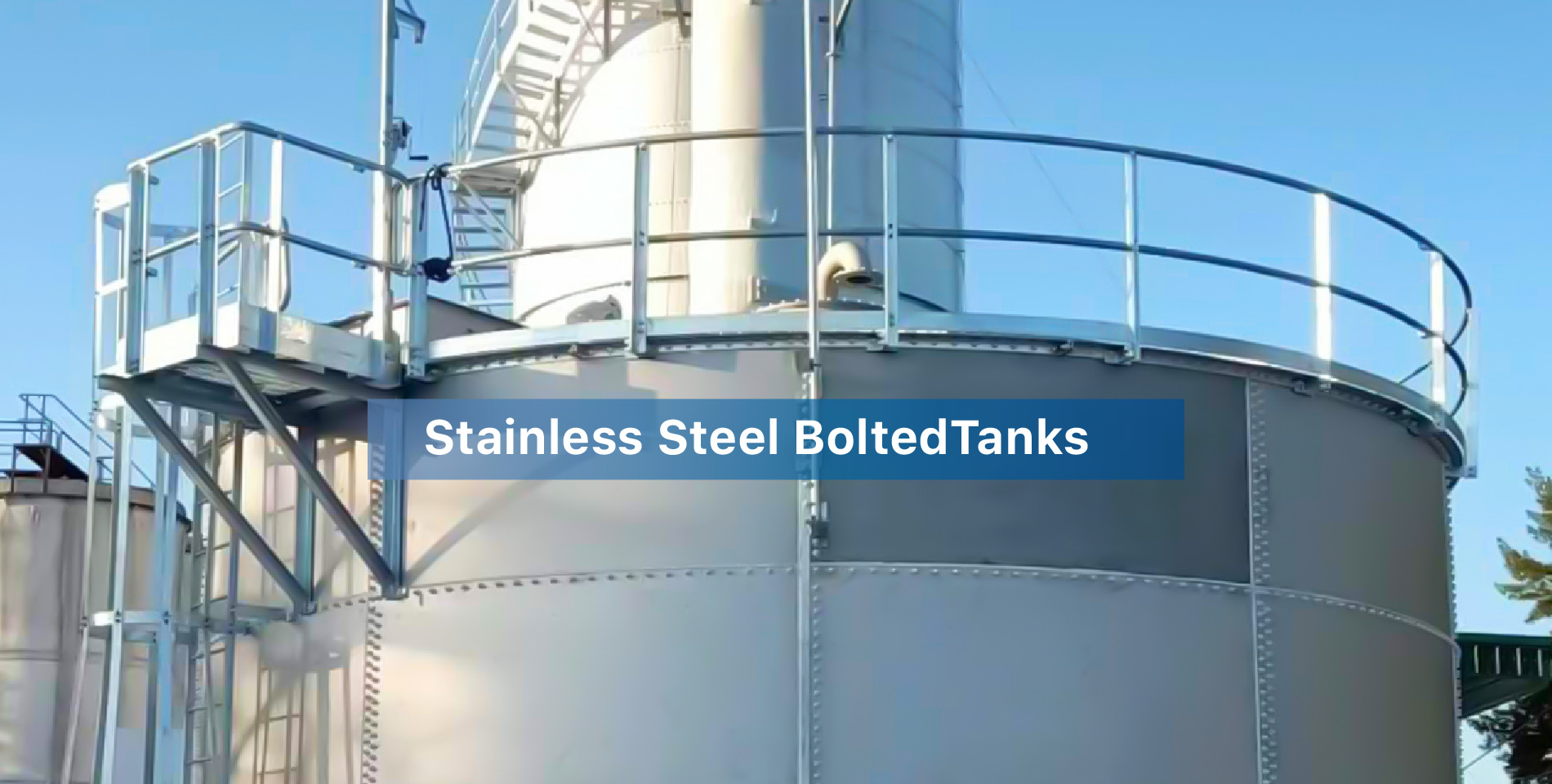
Stainless steel tanks must be fabricated to strict international standards to ensure structural integrity under pressure and load. Common standards include:
ASME Section VIII: The global standard for pressure vessel design, construction, and certification.
API 650 / 620: Specifically used for large field-erected vertical storage tanks containing liquids.
3-A Sanitary Standards: Essential for tanks used in the food, dairy, and beverage industries to ensure the tank design prevents bacterial traps (sanitary welds).
4. The Engineering Assembly Sequence
Stainless steel fabrication requires specialized environments to prevent "cross-contamination" (where carbon steel particles embed in the stainless steel and cause localized rust).
1.1. Contamination Control:Material Handling。
Fabrication occurs in a segregated workshop using dedicated stainless-steel-only tools (brushes, grinders) to prevent carbon steel contamination.
2.2. TIG/MIG Welding:Joining Technology。
Tungsten Inert Gas (TIG) welding is utilized for superior, high-integrity joints. The heat-affected zone (HAZ) is passivated post-weld to restore the chromium oxide layer.
3.3. Pickling & Passivation:Surface Finish。
The entire tank interior is chemically treated (pickled and passivated) to remove welding oxides and ensure the passive layer is fully developed.
4.4. Non-Destructive Testing:QA/QC。
Dye penetrant inspection (DPI) or X-ray testing is performed on critical seams to guarantee zero leakage or structural flaws.
5. Frequently Asked Questions (FAQ)
Q: Why is "316L" better than "304" for my application?
A: The "L" stands for "Low Carbon," which reduces carbide precipitation during welding, preventing intergranular corrosion. The addition of 2-3% Molybdenum in 316L creates a much higher resistance to localized pitting and crevice corrosion, particularly in environments containing chlorides (salt water, saline chemical solutions).
Q: Do stainless steel tanks require painting or coating?
A: Generally, no. One of the main advantages of stainless steel is that it does not require protective coatings. It is an "all-through" material, meaning the corrosion resistance is a physical property of the steel itself, not a surface treatment. Painting a stainless steel tank is often counterproductive as it can mask corrosion issues and trap moisture.
Q: How do I sanitize a stainless steel tank for food-grade use?
A: Stainless steel is the industry standard for food and pharma because it is non-porous. Sanitization is typically achieved via Clean-in-Place (CIP) systems using chemical-compliant detergents (CIP-safe) or steam sterilization. The smooth surface finish (typically measured in Ra values) ensures that no biofilms can adhere to the tank wall.
Q: Can stainless steel tanks be used for wastewater?
A: Yes, but caution is needed. While stainless steel is excellent, wastewater often contains high concentrations of hydrogen sulfide ($H_2S$) and chlorides. In highly aggressive wastewater environments, we specify high-grade 316L or even duplex stainless steel to prevent stress corrosion cracking.