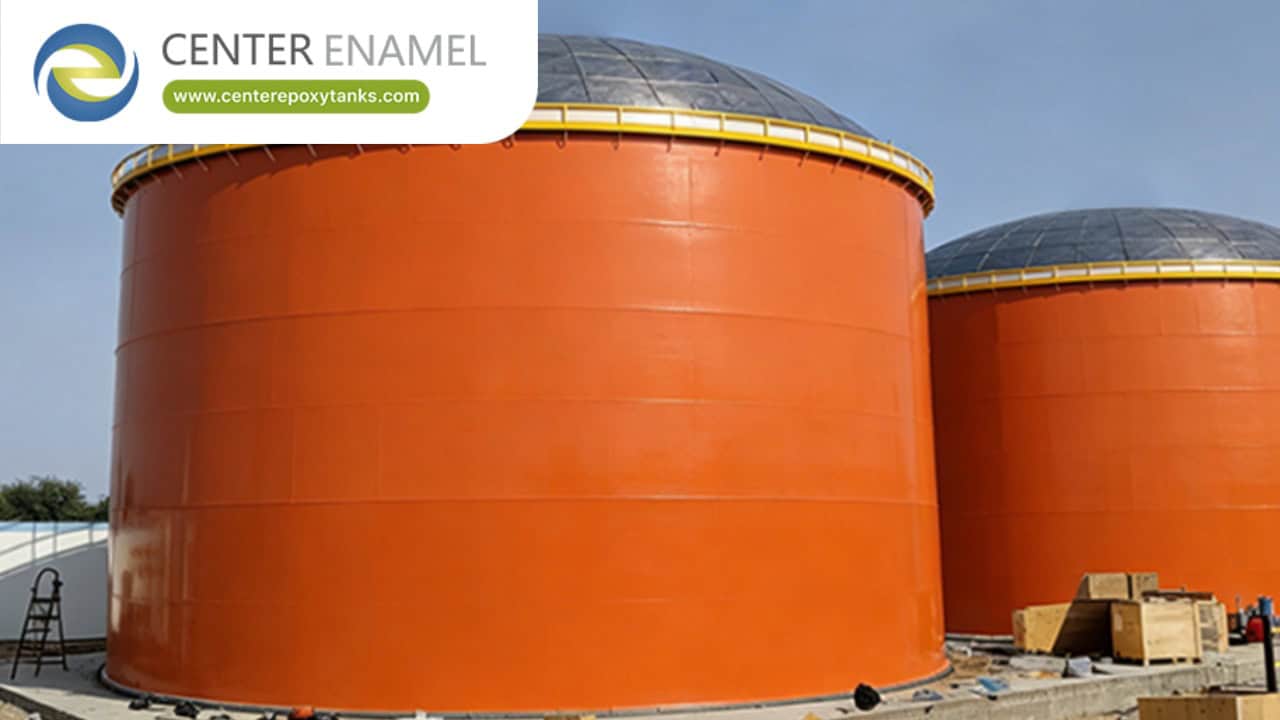
Why Choose Steel for Field-Erected Water Tanks? Strength, Performance, and Longevity
When municipal water authorities, fire protection districts, and heavy industrial facilities scale their fluid storage reserves into millions of gallons, shop-fabricated tanks become obsolete. Large-scale containment requires on-site construction. When evaluating structural materials for these massive projects—ranging from drinking water reservoirs to wastewater processing systems—field-erected steel tanks consistently outperform traditional alternatives like concrete.
Understanding the engineering mechanics, metallurgical advantages, and regulatory compliance of steel explains why it remains the global material of choice for field-erected water storage.
1. Superior Structural Strength-to-Weight Ratio
Water is exceptionally heavy, generating immense hydrostatic pressure at the base of large vertical storage vessels.
High Yield Strength: Utilizing structural carbon steel grades (such as ASTM A36 or high-strength plate specifications) allows engineers to design tanks with exceptional tensile strength. Steel can withstand intense internal hydrostatic loads without cracking or structural fatigue.
Seismic and Wind Resilience: Unlike rigid concrete structures that can fracture under sudden seismic shifts, steel tanks possess inherent ductility. Field-erected steel tanks engineered to AWWA D100 and ASCE 7 standards flex and absorb seismic shockwaves and hurricane-force winds safely, preserving structural integrity during natural disasters.
2. Compliance with Rigorous AWWA Standards and Potable Safety
Field-erected steel water tanks are governed by strict engineering frameworks that guarantee public health and safety:
Core Compliance Frameworks:
AWWA D100: The benchmark standard established by the American Water Works Association for welded carbon steel tanks dedicated to water storage.
NSF/ANSI 61: Mandates that all interior coatings, linings, and steel surfaces in contact with potable water meet rigorous health standards, ensuring safe drinking water for municipal communities.
Data Table: Field-Erected Steel Water Tanks vs. Reinforced Concrete Reservoirs
Evaluation Parameter | Field-Erected Steel Water Tanks | Reinforced Concrete Reservoirs |
Construction Speed | Fast field erection via modular plate welding | Slow curing times; requires extensive formwork and pouring |
Seismic Performance | Ductile steel absorbs energy and resists cracking | Rigid structure vulnerable to cracking under severe shear stress |
Lifecycle Maintenance | Periodic interior/exterior inspection and recoating | Concrete spalling requires specialized structural injection |
Modularity & Expansion | Easily modified, retrofitted, or expanded | Difficult and cost-prohibitive to alter post-construction |
Governing Standards | AWWA D100, ASCE 7, API 650 (for industrial water) | ACI (American Concrete Institute) standards |
3. Faster Construction Timelines and Lifecycle Adaptability
Project delivery speed and long-term asset management heavily favor steel construction:
Accelerated On-Site Erection: Steel plates are precision-cut, rolled, and pre-formed in a controlled factory environment before being shipped to the job site. This enables certified installation crews to erect massive tanks significantly faster than poured concrete structures, which require weeks of weather-dependent curing.
Easier Maintenance and Retrofitting: Steel tanks allow for straightforward non-destructive testing (NDT), interior relining updates, and structural additions (such as adding aluminum geodesic dome roofs or updated piping nozzles) over decades of active service.
Frequently Asked Questions (FAQ)
Q: Why is steel preferred over concrete for field-erected water storage tanks?
A: Steel offers a superior strength-to-weight ratio, greater seismic ductility, faster on-site construction timelines, and easier lifecycle maintenance compared to rigid concrete reservoirs.
Q: What engineering standards govern field-erected steel water tanks?
A: They are primarily designed, fabricated, and erected in accordance with AWWA D100 standards for municipal water systems, alongside structural requirements from ASCE 7.
Q: Are steel water tanks safe for storing drinking water?
A: Yes. When paired with specialized interior linings certified under NSF/ANSI 61, steel water tanks maintain pristine water quality and comply fully with public health regulations.
Q: How long do field-erected steel water tanks last?
A: With proper corrosion protection, routine inspections, and scheduled maintenance, a field-erected steel water tank can easily achieve an operational lifespan of 40 to 50+ years.


