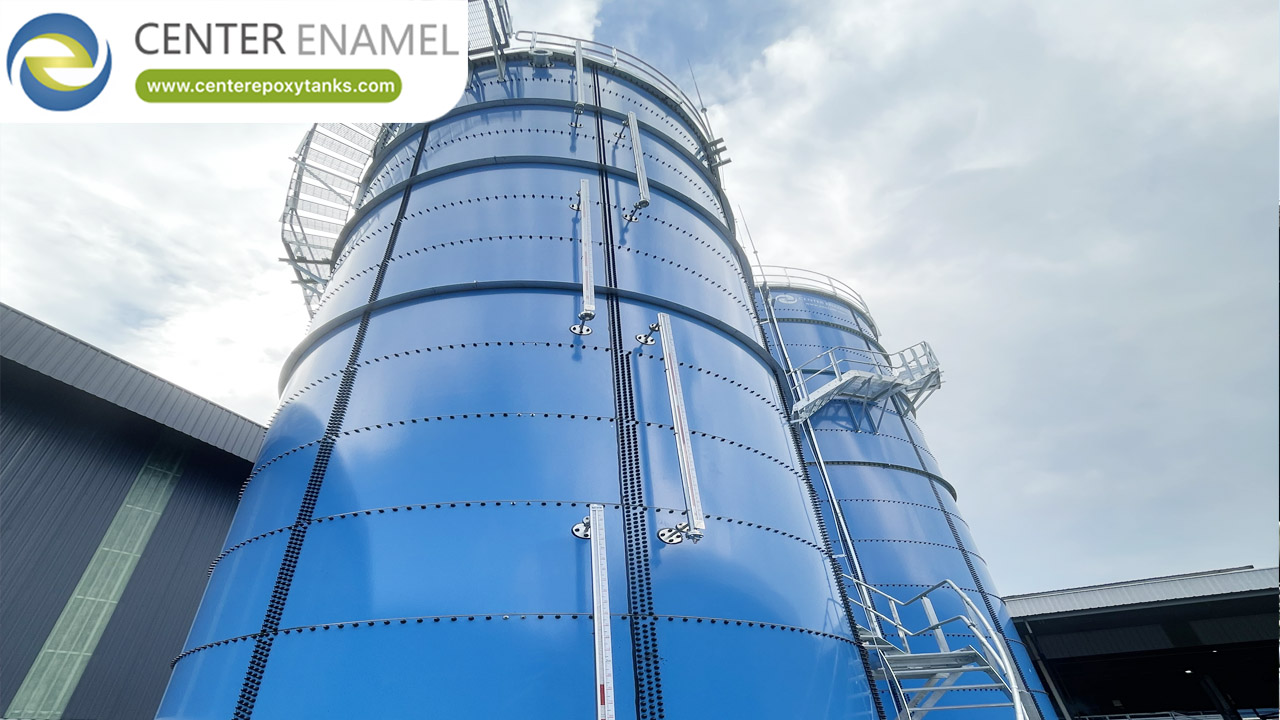
Why Are Silos Important to the Farming Industry?
In modern agriculture, crop production does not end at harvest; effective post-harvest management is critical to ensuring global food security and economic profitability. Among the various agricultural infrastructures available to farmers and commercial grain operators, farm silos stand out as the cornerstone of efficient crop preservation.
By providing a controlled, sealed environment, agricultural silos protect harvested grains, seeds, and animal feed from environmental degradation, pests, and moisture. Understanding why silos are indispensable to the farming industry highlights their profound impact on operational efficiency, resource sustainability, and market stability.
Core Reasons Silos Are Vital to Modern Agriculture
Agricultural silos play a multifaceted role in transforming raw harvests into secure, marketable commodities. The primary reasons silos are essential include:
1. Drastic Reduction in Post-Harvest Losses
Traditionally, storing grains in open-air piles or conventional bags left crops vulnerable to spillage, moisture damage, and theft. Modern steel and concrete silos create a sealed structural barrier that reduces post-harvest losses from double-digit percentages down to a fraction of one percent, preserving valuable yields that would otherwise go to waste.
2. Complete Protection Against Pests and Rodents
Insects, birds, and rodents pose a severe financial threat to stored crops, consuming or contaminating millions of tons of grain annually. Airtight agricultural silos block pest entry entirely, minimizing the need for heavy chemical treatments while maintaining strict food safety and hygiene standards.
3. Advanced Climate and Moisture Control (Aeration)
Uncontrolled humidity and trapped heat cause mold, fungal growth, and spontaneous combustion in stored grains. Modern silos integrate automated aeration fans and thermal monitoring cables that continuously circulate conditioned air, keeping grain temperatures stable and moisture levels strictly regulated.
4. Strategic Market Timing and Financial Flexibility
Harvest-time market gluts often force farmers to sell their crops immediately at depressed prices due to a lack of proper storage. Silos empower producers to store their grain safely for months, giving them the flexibility to release commodities into the supply chain when market prices are most favorable.
5. Space Efficiency and Operational Scalability
Compared to horizontal warehouses or temporary bunker storage, vertical silos store massive quantities of grain within a minimal land footprint. Their modular bolted or welded architecture also allows farms to expand their storage capacity seamlessly as agricultural operations grow.
Agricultural Storage: Silos vs. Traditional Methods
Evaluation Parameter | Modern Agricultural Silos | Traditional Bag Storage | Open-Air / Bunker Piles |
Storage Loss Rate | Extremely low (often <0.5%) | High (frequently 3% - 5% or more) | Very High (spoilage, birds, weather damage) |
Pest & Rodent Defense | Complete physical barrier (airtight sealing) | Poor (jute/plastic easily breached by rodents) | Minimal (exposed to birds and animals) |
Moisture Control | Automated aeration & drying systems | Passive, highly vulnerable to humidity | Highly vulnerable to rain and ground moisture |
Land Footprint | Vertical and space-efficient | Requires large ground-level warehouse space | Requires extensive open land areas |
Storage Lifespan | Long-term (months to several years) | Short-term only | Temporary (immediate use required) |
Frequently Asked Questions (FAQ)
Q: Why are silos considered an essential investment for modern farms?
A: Silos are essential because they prevent crop spoilage, eliminate pest infestations, and dramatically reduce post-harvest losses. By protecting grain quality and enabling long-term storage, they maximize farm profitability and ensure a steady food supply.
Q: How do agricultural silos prevent grain from rotting?
A: Silos prevent rotting through airtight structural design (which blocks moisture and exterior humidity) and built-in aeration systems that force cool, dry air through the grain mass to regulate core temperatures and eliminate moisture pockets.
Q: Can silos be used to store agricultural products other than grain?
A: Yes. While commonly used for wheat, corn, rice, and soybeans, specialized silos are also widely deployed in farming to store animal feed, silage, agricultural seeds, and even liquid fertilizers or biomass.
Q: Do steel farm silos require a lot of maintenance?
A: Modern steel silos manufactured from high-grade galvanized panels require minimal maintenance. Their corrosion-resistant coatings and automated monitoring systems ensure decades of reliable service with routine inspections.


