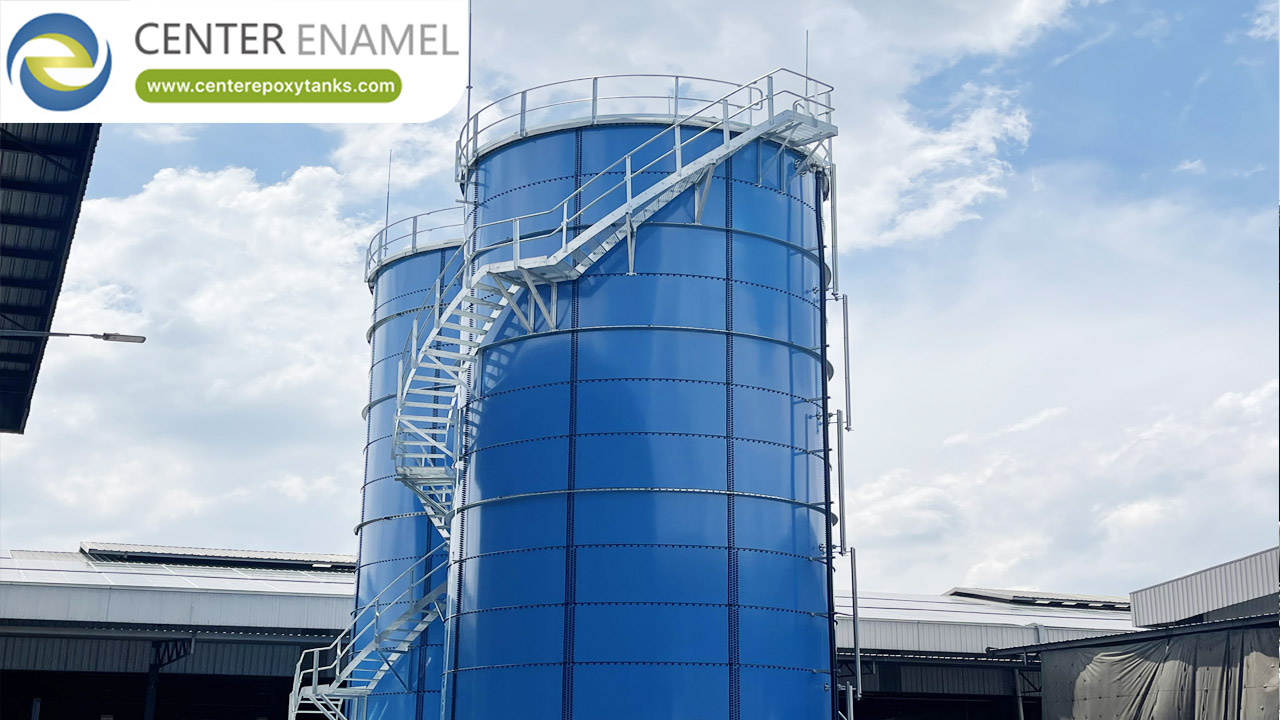
The Different Types of Silos: A Comprehensive Guide to Agricultural and Industrial Storage
Silos are essential infrastructure in modern agriculture, food processing, and industrial manufacturing. Designed to store bulk materials securely while shielding them from environmental degradation, silos vary significantly in shape, structural material, discharge mechanism, and application. Whether you are managing a commercial grain elevator, a livestock feed mill, or an industrial processing plant, understanding the different types of silos is critical for optimizing storage efficiency and preserving material quality.
Major Categories and Types of Silos
Silos are generally categorized based on their structural configuration, material properties, and operational function. Below is an exhaustive breakdown of the most widely used types:
1. Tower Silos (Vertical Cylindrical Silos)
Tower silos are the most recognizable vertical storage structures, typically standing tall with a relatively small ground footprint. They are widely used for both dry grain storage and high-moisture silage storage.
Hopper-Bottom Silos: Feature a sloped conical base supported by structural steel legs, enabling 100% gravity-assisted discharge for rapid batch handling.
Flat-Bottom Silos: Built directly on concrete foundation slabs for massive, long-term bulk storage, utilizing sweep augers during unloading.
Primary Uses: Commercial grain elevators, flour mills, animal feed manufacturing, and seaport export terminals.
2. Bunker Silos
Bunker silos are horizontal storage structures typically constructed from heavy-duty concrete walls embedded into the ground or built on flat concrete pads.
Working Principle: Materials (such as corn silage or chopped forage) are dumped, compacted tightly using heavy tractors or loaders to eliminate air pockets, and hermetically sealed using weighted plastic tarps.
Primary Uses: Large-scale dairy and livestock farms requiring high-volume storage of fermented animal feed.
3. Bag Silos (Silo Bags)
Bag silos consist of long, heavy-duty, hermetically sealed polyethylene tubes or bags used for temporary or seasonal bulk storage.
Working Principle: Grains or fodder are packed tightly into the continuous plastic tube using specialized bagging machinery, and both ends are heat-sealed or clamped.
Primary Uses: Flexible, low-cost short-term storage during peak harvest seasons when permanent silo capacity is exhausted.
4. Industrial Material Silos
Beyond agriculture, specialized silos are engineered for industrial manufacturing and mineral processing:
Cement and Fly Ash Silos: Bolted or welded steel silos equipped with air slides and dust collection systems to manage fine construction powders.
Chemical and Plastic Pellet Silos: Smooth-walled, contamination-resistant vessels designed to store plastic resins, fertilizers, and industrial chemicals safely.
Comparative Matrix: Types of Silos
Silo Type | Structural Design | Primary Stored Material | Discharge Mechanism | Best Suited For |
Hopper-Bottom Silo | Vertical steel cylinder with a sloped conical base | Dry grains, seeds, pellets, animal feed | 100% gravity discharge via bottom gate | Feed mills, seed plants, high-turnover loading |
Flat-Bottom Silo | Tall vertical cylinder on a concrete slab foundation | Bulk wheat, corn, soybeans, long-term reserves | Gravity flow + mechanical sweep augers | Commercial grain terminals, port export hubs |
Bunker Silo | Horizontal concrete trench or retaining walls | Silage, forage, biomass | Tractors and front-end loaders | Large livestock and dairy operations |
Bag Silo | Long, heavy-duty polyethylene tube | Seasonal grains, high-moisture feed | Mechanical unbagging machines / augers | Temporary harvest overflow, remote farms |
Industrial Silo | Welded or bolted steel / concrete structures | Cement, fly ash, plastic resins, chemicals | Pneumatic air slides, gravity cones | Construction, manufacturing, and chemical plants |
Frequently Asked Questions (FAQ)
Q: What are the three main traditional types of storage silos?
A: In general agricultural classification, the three most widely recognized categories are tower silos (vertical structures for grain or silage), bunker silos (horizontal concrete trench systems), and bag silos (flexible polyethylene tubes for temporary storage).
Q: What is the difference between a hopper-bottom silo and a flat-bottom silo?
A: A hopper-bottom silo features a sloped conical base that allows 100% gravity-assisted discharge without manual intervention, making it ideal for frequent material turnover. A flat-bottom silo rests directly on a concrete slab, offers massive capacity for long-term storage, and requires mechanical sweep augers to clear remaining grain.
Q: Are silos used exclusively in agriculture?
A: No. While agricultural silos dominate grain and silage storage, industrial silos are extensively utilized in civil engineering and manufacturing to hold bulk materials such as cement, fly ash, coal, woodchips, and plastic pellets.
Q: How do bag silos maintain grain quality without rigid walls?
A: Bag silos rely on hermetic (airtight) sealing. When grain or forage is tightly packed inside the polyethylene tube and sealed at both ends, any trapped oxygen is quickly consumed by respiration, creating a natural modified atmosphere that suppresses mold and insect activity.


