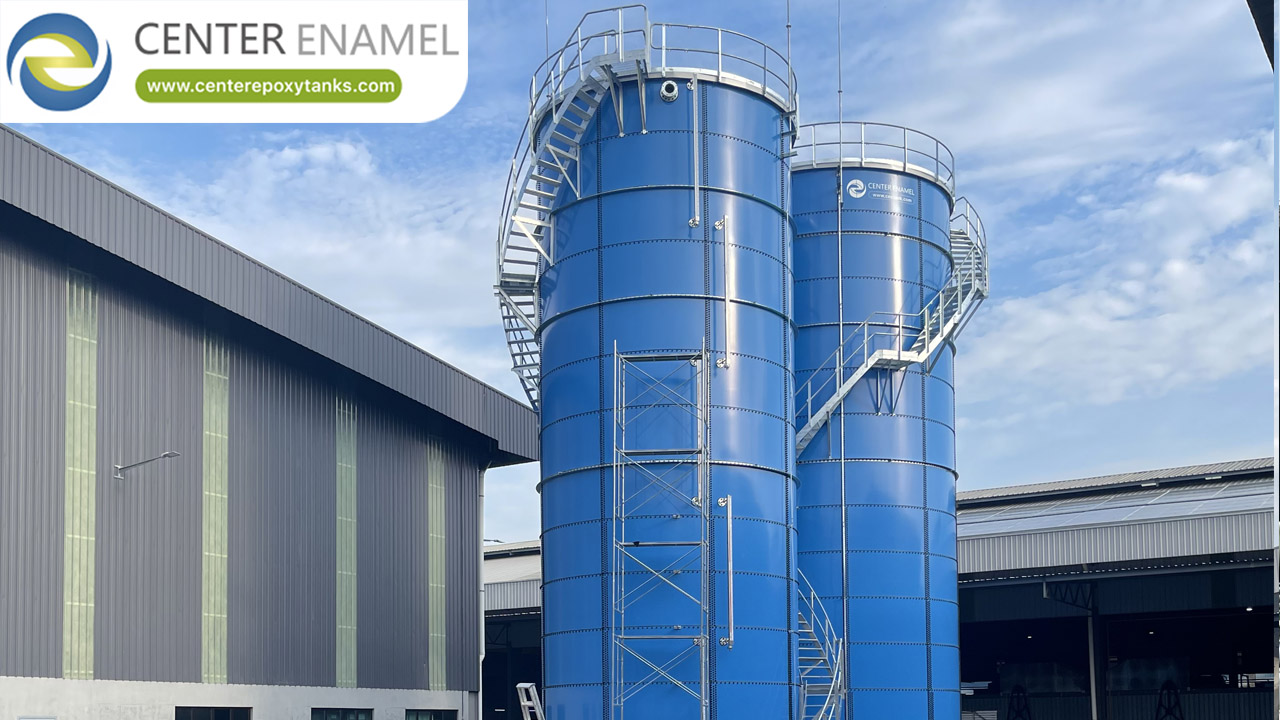
What is a Tower Silo? Design, Function, and Modern Agricultural Applications
A tower silo is a tall, vertical, cylindrical storage structure engineered specifically for holding bulk agricultural commodities, such as grains, seeds, and fermented forage (silage), in a protected and controlled environment. Standing high above ground level, tower silos utilize a small ground footprint while offering massive vertical storage capacity, making them a staple of modern farms, commercial grain elevators, and livestock feeding operations.
Unlike horizontal bunker systems or temporary bag storage, tower silos provide an airtight or tightly sealed structural environment that shields stored crops from moisture ingress, extreme temperature shifts, and destructive pests.
Structural Design and Engineering Features
The architecture of a tower silo is engineered to withstand immense outward lateral pressure and vertical hydrostatic loads exerted by thousands of tons of stored contents:
Vertical Cylindrical Shells: Fabricated from high-tensile galvanized steel panels, glass-fused-to-steel sheets, or reinforced concrete staves, offering exceptional structural rigidity.
External Stiffeners: Heavy-duty vertical stiffeners bolted along the exterior shell to reinforce the tower against high wind speeds and seismic forces.
Roof and Access Systems: Heavy conical or domed roofs equipped with structural vents, inspection hatches, and central filling spouts connected to overhead bucket elevators or pneumatic conveyors.
Discharge Configuration: Depending on operational requirements, tower silos terminate in either a sloped conical hopper base (for 100% gravity discharge) or a level flat bottom (requiring mechanical sweep augers).
Sub-Types of Tower Silos
Tower silos are generally classified into two primary configurations based on their base design and discharge mechanism:
Hopper-Bottom Tower Silos: Feature a sloped conical steel hopper base supported by heavy structural steel legs. They allow 100% gravity-assisted discharge, making them ideal for high-turnover grain holding and animal feed milling.
Flat-Bottom Tower Silos: Built directly on reinforced concrete foundation slabs for massive, long-term bulk storage capacity. They rely on under-floor aeration channels and mechanical sweep augers during the unloading phase.
Comparative Analysis: Tower Silos vs. Other Storage Systems
Storage System | Structural Design | Primary Stored Material | Discharge Mechanism | Best Suited For |
Tower Silo | Tall vertical cylinder (steel or concrete) | Dry grains, seeds, silage, feed | Gravity flow or sweep auger | Commercial farms, grain elevators, feed mills |
Bunker Silo | Horizontal concrete trench walls | Silage, forage, biomass | Tractors and front-end loaders | Large-scale dairy and livestock operations |
Bag Silo | Long polyethylene tube (horizontal) | Seasonal grains, high-moisture fodder | Mechanical unbagging machines | Temporary harvest overflow and field storage |
Key Benefits of Tower Silos
Agricultural producers and commercial operators choose tower silos for several distinct operational and economic advantages:
Space-Efficient Footprint: Storing materials vertically allows facilities to hold massive tonnages of grain within a minimal ground area, preserving valuable land.
Superior Crop Preservation: Sealed walls and integrated aeration systems protect stored grains from rain, humidity, birds, and rodents, reducing spoilage to near zero.
Efficient Gravity Handling: The vertical height enables gravity to assist in both filling (from the top) and discharging (from the bottom), reducing reliance on complex mechanical transport.
Long-Term Durability: Modern steel and concrete tower silos are engineered for decades of continuous outdoor service with minimal maintenance requirements.
Frequently Asked Questions (FAQ)
Q: What is the primary purpose of a tower silo?
A: A tower silo is designed to store bulk agricultural commodities—such as corn, wheat, soybeans, and animal silage—safely and efficiently in a tall, vertical structure that protects crops from weather and pests.
Q: What materials are modern tower silos built from?
A: Modern tower silos are predominantly constructed using corrugated galvanized steel sheets, glass-fused-to-steel panels, or reinforced concrete staves, chosen for their high structural strength and corrosion resistance.
Q: How do you unload a tower silo?
A: Unloading depends on the silo design. Hopper-bottom tower silos use a sloped conical base for 100% gravity discharge, while flat-bottom tower silos use under-floor conveyors and rotating mechanical sweep augers to clear the grain.
Q: Are tower silos used for storing silage as well as dry grain?
A: Yes. Historically and presently, tower silos are widely used for both dry grain storage and storing high-moisture fermented forage (silage) for dairy and beef cattle feeding operations.


