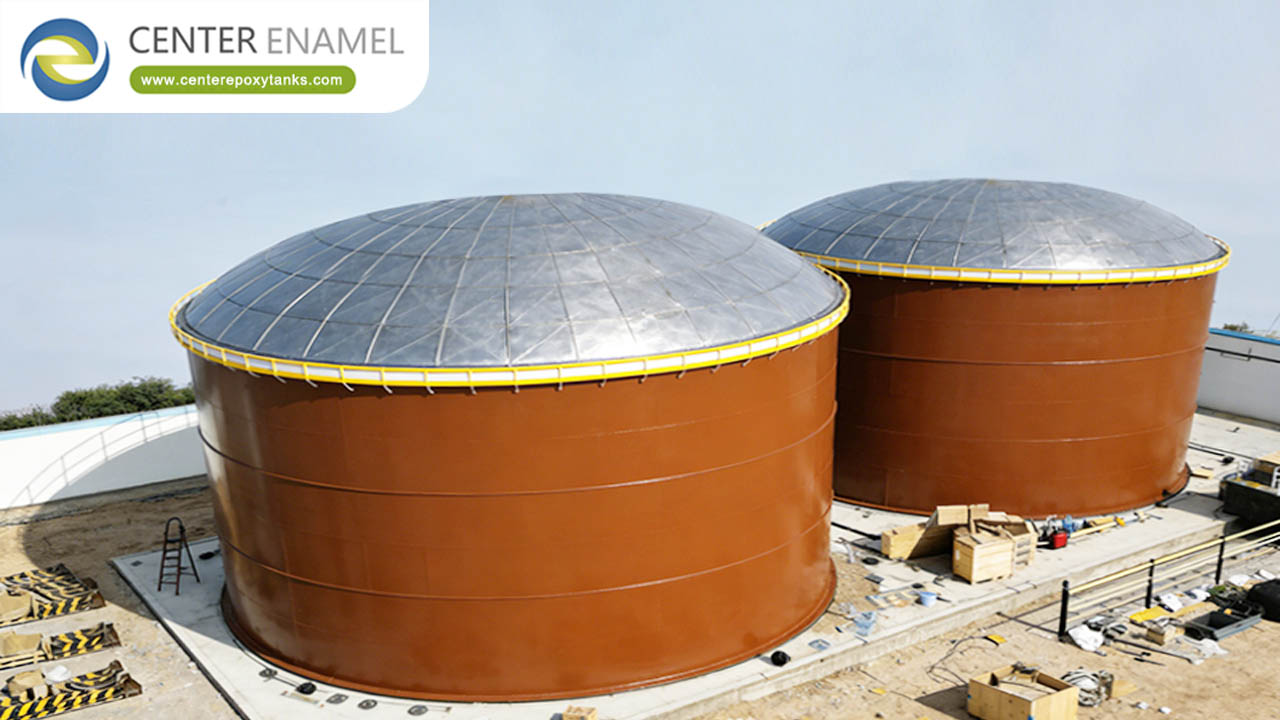
What Type of Steel is Used for Storage Tanks? An Engineering Guide
The selection of steel for industrial storage tanks is dictated by the chemical properties of the stored medium, temperature, and environmental conditions. The two primary categories are Carbon Steel and Stainless Steel. Carbon steel (specifically grades like ASTM A36) is the industry standard for large-scale, cost-effective storage (petroleum, water, wastewater) when paired with advanced protective coatings like Glass-Fused-to-Steel (GFS) or Fusion Bonded Epoxy (FBE) to prevent corrosion. Stainless Steel (grades 304 and 316L) is the premium choice for applications requiring high purity, extreme corrosion resistance, and minimal maintenance (potable water, pharmaceuticals, and high-purity chemical storage).
1. Carbon Steel (The Industrial Standard)
Carbon steel is the most common material used for bulk storage due to its high tensile strength, weldability, and structural rigidity.
● Characteristics: It provides a strong, predictable structural framework for tanks ranging from small-scale municipal water systems to massive industrial reservoirs.
● The Coating Necessity: Bare carbon steel is susceptible to oxidation (rust) when exposed to moisture or chemicals. Therefore, in the wastewater, biogas, and municipal sectors, it is almost never used "raw." It is standard practice to engineer these tanks with:
○ GFS (Glass-Fused-to-Steel): Vitreous enamel fused to the steel for maximum chemical resistance.
○ FBE (Fusion Bonded Epoxy): A thermoset polymer barrier for abrasion resistance and slurry storage.
○ Galvanization: Zinc coating for basic potable water or weather-exposed storage.
2. Stainless Steel (The High-Purity Premium)
When the stored medium cannot tolerate metal leaching or requires the highest possible hygiene standards, stainless steel is the specified material.
● Grade 304: The "standard" stainless steel. It is suitable for most water storage and food-grade applications where the environment is not excessively corrosive.
● Grade 316/316L: Contains molybdenum, which provides significantly higher resistance to chlorides and pitting corrosion. This is the preferred grade for coastal environments or chemical storage where the medium is slightly acidic or saline.
Comparative Overview: Steel Selection Matrix
Feature | Carbon Steel (Coated/Lined) | Stainless Steel (304/316) |
Tensile Strength | High | High |
Chemical Resistance | Excellent (via Coating) | Superior (Inherent) |
Cost | Cost-Effective | Premium |
Maintenance | Low (Minimal/None) | Minimal |
Best For | Wastewater, Biogas, Large Water | Food, Pharma, High-Purity |
Regulatory Fit | API 650 / AWWA D103 | NSF-61 / Pharma Standards |
Factors Influencing Steel Specification
Engineering firms and plant managers must evaluate the following criteria before selecting the steel type:
1. Chemical Compatibility: Does the stored medium react with iron? If so, GFS-coated carbon steel or stainless steel is required.
2. Structural Load (API 650 / AWWA D103): Larger tanks require specific steel grades that meet international structural codes (like API 650 for oil or AWWA for water) to ensure they can withstand hydrostatic and seismic forces.
3. Environmental Exposure: Is the tank in a high-UV, coastal, or arctic environment? This dictates the type of exterior coating or stainless steel grade required to prevent external degradation.
4. Operational Life Cycle: For projects requiring a 30+ year service life with zero downtime, the combination of high-grade carbon steel with a GFS or FBE coating is often the most economical and reliable long-term solution.
Frequently Asked Questions (FAQ)
Q: Can carbon steel tanks be used for potable water?
A: Yes, provided the tank is properly coated (e.g., GFS, galvanized, or NSF-61 approved epoxy). The coating acts as the barrier between the steel and the water, ensuring safety and quality.
Q: Why use GFS-coated carbon steel instead of stainless steel for large projects?
A: Cost-effectiveness. For large-diameter tanks (municipal or industrial), using high-grade stainless steel for the entire structure is often cost-prohibitive. GFS-coated carbon steel provides the same chemical resistance and structural performance at a fraction of the investment.
Q: Which steel is better for high-sulfur biogas environments?
A: GFS-coated carbon steel is the industry leader for biogas digesters. The vitreous glass surface is completely immune to the biogenic sulfuric acid produced by biogas, whereas even stainless steel can eventually face challenges in extreme, long-term acid exposure.
Engineered for Your Infrastructure
Whether your project demands the premium inertness of stainless steel or the cost-efficient durability of coated carbon steel, the underlying engineering must meet the highest structural standards.
Are you currently evaluating materials for an upcoming tank project?
[Contact our engineering team] to discuss your storage medium, chemical compatibility requirements, and volume needs. We can provide a feasibility assessment and a comparative proposal based on the optimal steel and coating specification for your specific site.
As you select your materials, would you like a detailed technical brief on the differences between GFS and FBE coatings for high-acidity industrial waste environments?


