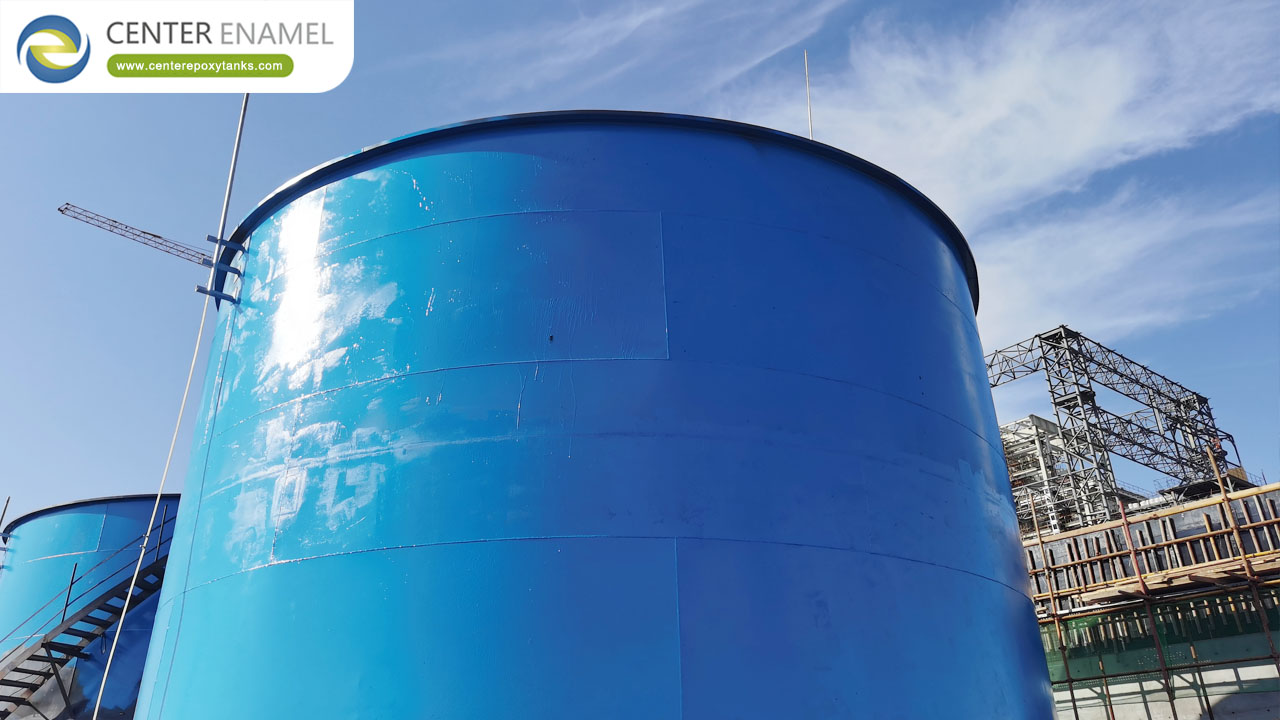
What is a Double Wall Steel Tank? Environmental & Safety Engineering Guide
A double wall steel tank is an industrial storage vessel consisting of an inner primary storage vessel and an outer secondary containment vessel. The space between these two shells, known as the interstitial space, serves as a dedicated monitoring zone to detect potential leaks from the primary tank before they reach the environment. Unlike single-wall tanks that require a separate, field-built concrete "bund" (secondary containment), a double wall steel tank provides a fully integrated, enclosed protection system. This engineering design is the global standard for storing hazardous, flammable, or environmentally sensitive liquids, ensuring strict compliance with stringent environmental regulations (such as EPA SPCC rules) and eliminating the risk of groundwater or soil contamination.
The Engineering Necessity: Safety & Compliance
In modern industrial storage, "containment" is as important as "storage." The transition from single-wall to double-wall systems is driven by three core engineering requirements:
● Integrated Secondary Containment: The outer wall acts as a permanent, built-in safety shell. If the inner tank develops a breach, the outer tank contains the entire volume, preventing any release into the surrounding facility or ecosystem.
● Active Leak Detection: The interstitial space between the walls can be equipped with sensors (vacuum, pressure, or liquid sensors). This allows for real-time monitoring, meaning a potential failure is identified and addressed before a catastrophic spill occurs.
● Space & Cost Efficiency: Constructing a separate concrete spill-containment basin (bund) takes up significant square footage and requires ongoing maintenance (draining rainwater/oil mixtures). A double wall steel tank provides the same (or superior) safety level in a much smaller footprint, significantly simplifying site layout and operational costs.
Comparative Overview: Containment Strategies
Feature | Double Wall Steel Tank | Single Wall Tank w/ Concrete Bund |
Footprint | Compact (Self-contained) | Large (Requires separate basin) |
Leak Detection | Integrated/Real-time | Visual/Manual |
Compliance | Built-in (Meets SPCC/EPA) | Requires secondary structure |
Environment | Fully protected from weather | Rain/Debris accumulation issues |
Maintenance | Minimal (Monitoring only) | High (Cleaning/Draining bunds) |
Technical Benchmarks for Procurement
When specifying double wall tanks, engineering teams should demand compliance with the following:
1. Interstitial Monitoring Port: Every double wall tank must have a designated port to test or monitor the space between the walls.
2. Structural Standard: Ensure the tank is built to recognized international standards, such as UL 142 (Steel Aboveground Tanks for Flammable and Combustible Liquids) or API 650 for large-diameter field-erected vessels.
3. Vacuum/Pressure Testing: Factory-certified testing must confirm that both the inner and outer shells are integrity-tested before shipment.
4. Coating Compatibility: Because the secondary containment is "hidden," ensure the outer surface of the inner tank and the inner surface of the outer tank are treated with high-performance anti-corrosion coatings to prevent internal rusting.
Frequently Asked Questions (FAQ)
Q: Can I use a double wall tank for any chemical?
A: Double wall construction provides the containment, but the material must still be compatible with the chemical. You must match the inner tank material (e.g., carbon steel, stainless steel) and internal coating (e.g., GFS or FBE) to the specific liquid being stored.
Q: Is a double wall tank more expensive?
A: The upfront capital cost of the tank is higher. However, when you factor in the eliminated cost of constructing a concrete containment basin, the drainage systems, the ongoing maintenance of the bund, and the reduced insurance premiums, the Total Cost of Ownership (TCO) is often significantly lower.
Q: Do I still need a concrete pad?
A: You still need a structural foundation (pad) to support the weight of the tank, but you do not need the containment walls that are required for a single-wall system.
Partnering for Secure Industrial Storage
Selecting the right storage technology is an investment in your company's environmental stewardship and operational safety. A double wall steel tank provides the confidence of a fail-safe system, protecting your business from the catastrophic financial and legal risks associated with spills.
Are you evaluating containment solutions for an upcoming storage project?
[Contact our engineering team] to discuss your project’s capacity, chemical compatibility requirements, and regulatory compliance needs. We can provide a structural load assessment and a TCO (Total Cost of Ownership) analysis for your specific site.
Would you like a detailed technical brief on the difference between vacuum-monitored versus liquid-monitored interstitial spaces for high-security storage?


