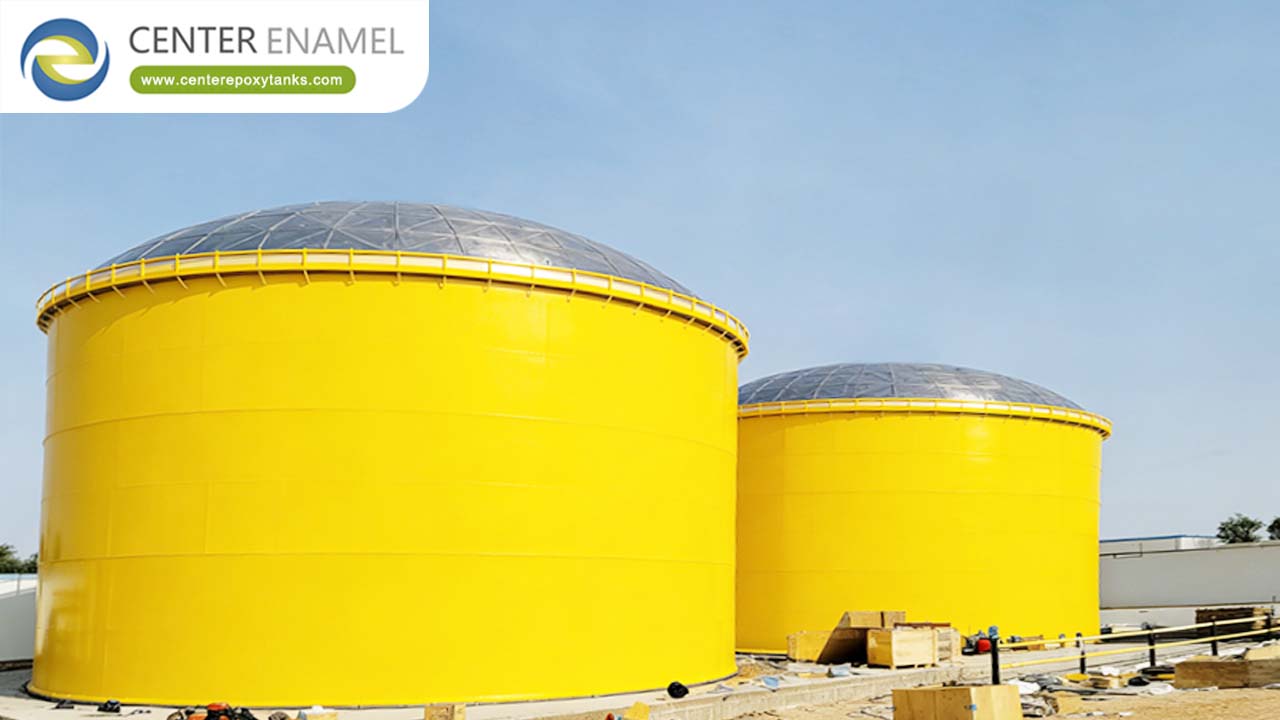
Industrial Chemical Storage Tank: Engineering & Safety Standards
An industrial chemical storage tank is a specialized containment vessel engineered to safely store, process, and handle liquid chemicals, acids, alkalis, and complex industrial effluents. Unlike standard water reservoirs, these tanks are defined by their strict adherence to chemical compatibility—the requirement that the tank’s internal liner or base material remains inert and structurally sound when exposed to aggressive or hazardous substances. These vessels are governed by rigorous safety standards, including API, ASME, and ISO, and frequently feature advanced architectures such as Glass-Fused-to-Steel (GFS), Fusion Bonded Epoxy (FBE), or high-grade stainless steel to prevent environmental contamination, mitigate corrosion, and ensure a long-term, leak-proof service life.
The Critical Importance of Material Compatibility
The primary design driver for any industrial chemical tank is the material-to-media interface. Selecting a tank based solely on capacity or size without verifying chemical compatibility is a major operational risk.
● Corrosion Mitigation: Many industrial chemicals exhibit extreme pH levels (pH < 3 or pH > 11). Unprotected carbon steel or porous concrete structures will rapidly succumb to chemical attack, leading to structural "spalling" or "pitting."
● Reaction Hazards: Industrial processes often produce exothermic reactions (heat-releasing). The tank material must possess thermal stability to prevent softening, warping, or accelerated corrosion during temperature spikes.
● Permeability & Seepage: Hazardous chemicals must be contained within absolute barriers. High-performance tanks utilize non-porous surfaces—such as vitreous glass—to ensure that zero chemical leaching occurs through the tank wall.
Comparative Overview: Material Selection for Chemical Storage
Material Type | Primary Suitability | Chemical Resistance | Maintenance Needs |
Glass-Fused-to-Steel (GFS) | Strong Acids, Industrial Effluent | Excellent (Inert Glass) | Minimal |
Fusion Bonded Epoxy (FBE) | Mild/Medium Acids, Bases, Slurry | High (Thermoset Polymer) | Low |
Stainless Steel (316L) | High-Purity Chemicals, Solvents | Superior | Low |
Polyethylene (Plastic) | Diluted Chemicals, Non-Hazardous | Moderate | Moderate |
Engineering Standards & Regulatory Compliance
Procuring an industrial chemical tank is a mission-critical process that demands adherence to international safety frameworks. Professional-grade manufacturers are evaluated against these technical benchmarks:
● Chemical Compatibility Validation: A reliable partner will always require your Material Safety Data Sheet (MSDS) or specific chemical concentration data to verify compatibility before suggesting a tank specification.
● Integrity Monitoring: Modern chemical tanks often integrate level-sensing technologies, pressure-relief valves (PVRV), and leak-detection sensors that interface with plant SCADA systems for real-time monitoring.
● Venting & Emission Control: Chemicals produce dangerous vapors. Storage tanks require specialized ventilation systems and filtration to prevent the buildup of toxic or explosive gases, while also protecting the tank from vacuum collapse.
● Secondary Containment: Regulatory bodies often mandate that chemical tanks be installed within a "bund" or secondary containment area designed to hold 110% of the tank's total volume in the event of a primary failure.
Frequently Asked Questions (FAQ)
Q: Can a single tank be used for multiple types of chemicals?
A: No. Cross-contamination is a severe safety risk. Storing different chemicals in the same tank can cause dangerous reactions, degrade the internal lining, and violate environmental safety regulations. Always dedicate a specific tank to a specific chemical or compatible chemical class.
Q: Why is GFS (Glass-Fused-to-Steel) often preferred for industrial chemicals?
A: GFS provides a unique combination of structural steel strength and the chemical inertness of glass. The vitreous glass surface is virtually immune to a wide spectrum of chemicals, making it a "fit and forget" solution that eliminates the need for recurring liner repairs.
Q: How often should an industrial chemical tank be inspected?
A: Formal inspections should occur at least annually. This includes checking for signs of surface degradation, verifying the integrity of gaskets and seals, and testing the functionality of venting and instrumentation.
Partnering for Secure Containment
Selecting the right industrial storage solution is your first line of defense in plant safety and environmental compliance. Whether your process requires the high-purity environment of stainless steel or the aggressive chemical resistance of GFS, precision engineering is the key to preventing downtime and managing operational risk.
Are you currently evaluating containment solutions for an upcoming chemical processing project?
[Contact our engineering team] to conduct a chemical compatibility assessment, review our structural design certifications, or obtain a proposal for a tank system engineered for your specific chemical requirements.


