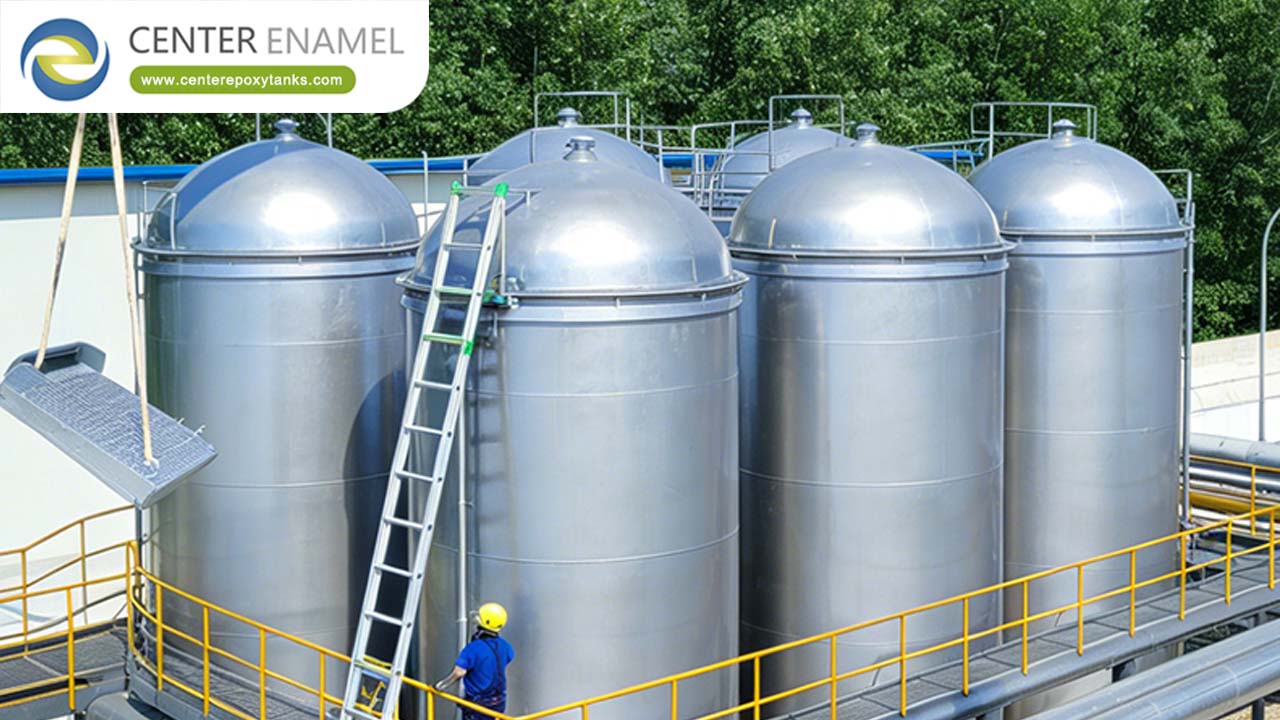
What is a Chemical Storage Tank? Industrial Design & Compatibility Guide
A chemical storage tank is a specialized industrial vessel engineered to safely contain, process, and store liquid chemicals, acids, alkalis, and solvents. Unlike standard water or fuel tanks, these vessels are designed with a specific focus on chemical compatibility—the ability of the tank's material (or internal coating) to resist degradation, corrosion, or structural failure when exposed to specific chemical substances. These tanks are strictly regulated by safety standards (such as API, ASME, or ISO) and often feature advanced material architectures—including Glass-Fused-to-Steel (GFS), Fusion Bonded Epoxy (FBE), or high-grade stainless steel—to ensure long-term integrity, prevent environmental contamination, and provide secondary containment for hazardous liquids.
The Critical Importance of Material Compatibility
The most important factor in chemical storage is not the tank shape or size, but the material-to-media interface. A tank that works perfectly for a food-grade solution may fail catastrophically if used for an acidic chemical.
● Corrosion Resistance: Many industrial chemicals have a pH < 3 or pH > 11. Unprotected carbon steel or porous concrete will rapidly degrade, leading to leaks. Engineering a chemical tank requires matching the tank’s internal lining (or base material) to the specific chemical’s reactivity.
● Thermal Management: Chemical reactions are often exothermic (heat-releasing). Chemical storage tanks must be designed to withstand potential temperature spikes, which can accelerate the corrosion rate of the tank walls.
● Containment & Sealing: Because chemicals pose environmental and safety risks, chemical storage tanks frequently utilize high-grade gaskets, sealants, and often secondary containment bunds to prevent spills in the event of a primary tank failure.
Comparative Overview: Material Selection for Chemicals
Material Type | Primary Suitability | Strength | Chemical Resistance |
Glass-Fused-to-Steel (GFS) | Strong Acids, Industrial Effluent | High | Excellent (Inert) |
Fusion Bonded Epoxy (FBE) | Mild/Medium Acids, Bases, Slurry | High | High |
Stainless Steel (316L) | High-Purity Chemicals, Solvents | High | Superior |
Polyethylene (Plastic) | Diluted Chemicals, Non-Hazardous | Low | Moderate |
Engineering Standards & Regulatory Compliance
Procuring a chemical storage tank involves navigating a strict set of safety requirements. Reliable manufacturers should always be evaluated against:
1. Chemical Compatibility Charts: A professional manufacturer will always ask for your Material Safety Data Sheet (MSDS) or chemical composition data to verify compatibility before suggesting a tank specification.
2. Leak Detection & Monitoring: Advanced chemical tanks integrate level-sensing technologies and leak-detection sensors that interface with plant SCADA systems for real-time monitoring.
3. Venting & Pressure Relief: Chemicals can produce dangerous vapors. Chemical tanks require specialized PVRV (Pressure/Vacuum Relief Valves) and ventilation systems to prevent the buildup of explosive or toxic gases.
4. Secondary Containment: Regulatory bodies often mandate that chemical storage tanks be placed within a "bund" or secondary containment area capable of holding 110% of the tank's volume.
Frequently Asked Questions (FAQ)
Q: Can I use the same tank for different chemicals?
A: Generally, no. Changing the stored chemical can cause cross-contamination or lead to chemical reactions that degrade the tank’s lining. Always consult a chemical engineer or your tank manufacturer before switching the contents of any storage vessel.
Q: What is the benefit of GFS for chemical storage?
A: GFS (Glass-Fused-to-Steel) provides an inorganic, vitreous glass surface that is essentially immune to chemical attack from a wide range of substances. It combines the high structural strength of steel with the chemical inertness of glass, making it one of the most reliable solutions for aggressive industrial chemicals.
Q: How often should a chemical tank be inspected?
A: Chemical storage tanks should undergo a formal inspection at least annually. This includes checking for signs of corrosion, integrity of gaskets/seals, and functionality of venting and instrumentation.
Partnering for Secure Containment
Selecting the right chemical storage tank is a mission-critical decision. It is the first line of defense in plant safety and environmental protection. Whether you require a high-purity stainless steel vessel or a robust GFS-coated steel tank, precision engineering is the key to preventing downtime and managing risk.
Are you currently evaluating containment solutions for an upcoming chemical processing project?
[Contact our engineering team] to conduct a chemical compatibility assessment, review our structural design certifications, or obtain a proposal for a tank system engineered for your specific chemical requirements.
As you plan your project, would you like a detailed technical brief on the differences between monolithic welded steel and modular GFS tank construction for hazardous chemical storage?


