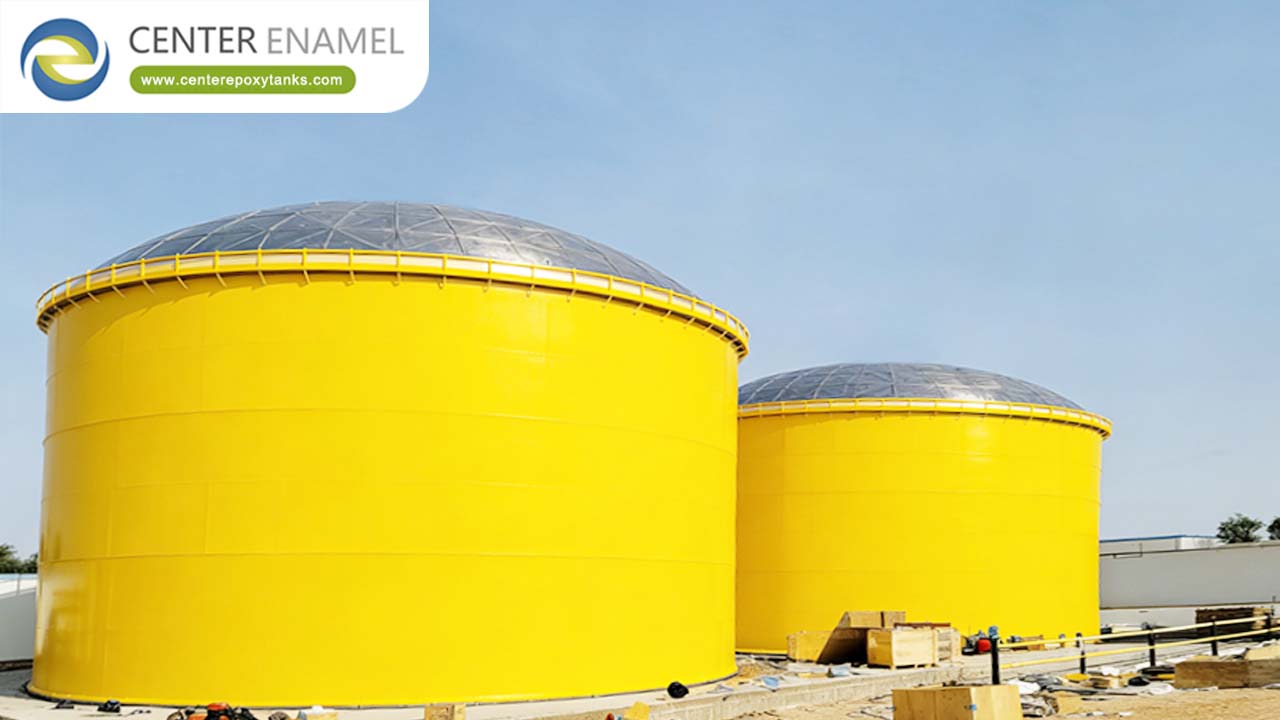
What is an HFO Tank? Industrial Storage & Engineering Guide
An HFO (Heavy Fuel Oil) tank is a specialized industrial storage vessel designed to contain high-viscosity residual fuel oil, commonly used in marine propulsion, large-scale power generation, and industrial heating. Unlike standard storage tanks, HFO tanks are engineered with integrated thermal management systems—such as internal steam coils, electric heating jackets, or immersion heaters—to maintain the fuel at temperatures typically between 50C and 90C. This heating is essential to reduce the oil's viscosity, ensuring it remains "pumpable" for combustion. Because HFO often contains high sulfur content and requires specific safety protocols, these tanks are constructed to rigorous international standards (such as API 650) with high-efficiency thermal insulation to prevent heat loss and ensure operational efficiency.
The Engineering Challenge: Why HFO Storage is Specialized
Storing HFO is significantly more complex than storing diesel, gasoline, or water. Plant engineers must account for three critical variables that dictate the tank’s design:
● Viscosity Management: At ambient temperatures, HFO is semi-solid or highly viscous. An HFO tank is not just a container; it is a heat exchanger. The tank must be designed with precise heating surface area calculations to ensure the fuel reaches the required viscosity for downstream pumps and burners.
● Thermal Efficiency & Insulation: Because HFO must remain heated, heat loss is a significant operational cost. HFO tanks require high-efficiency insulation packages—typically rock wool or mineral wool protected by external aluminum or stainless steel jacketing—to minimize energy waste and maintain temperature stability.
● Corrosion Dynamics: HFO often contains sulfur compounds, which can be corrosive to standard carbon steel. Furthermore, the heating cycles can accelerate internal corrosion. Many operators specify high-grade materials (like 316L Stainless Steel) or specialized internal linings to protect the integrity of the vessel.
Comparative Overview: HFO Tank vs. Standard Water Tank
Feature | HFO Tank | Standard Water Tank |
Thermal System | Integrated (Heating coils/jackets) | None |
Insulation | High-efficiency (Required) | Optional |
Piping | Heated/Trace-heated | Standard |
Safety Standards | Explosion-proof / Fire-suppression | Standard / Sanitary |
Internal Coating | Corrosion-resistant lining/Stainless | Food-grade / Sanitary |
Technical Benchmarks for Procurement
To ensure your HFO storage system is reliable and safe, engineering teams should demand the following during the procurement process:
1. API 650 Compliance: Ensure the design and fabrication strictly follow API 650 (Standard for Welded Tanks for Oil Storage), which dictates shell thickness, weld standards, and floor plate requirements.
2. Thermal Design Verification: Request the manufacturer’s heat-transfer calculations. They must demonstrate that the heating system (coil/jacket) is sized correctly for your specific fuel's viscosity and regional ambient climate.
3. Weld Integrity (NDT): HFO is heavy and dense; the hydrostatic stress on the tank is significant. Require 100% radiographic testing (RT) or ultrasonic testing (UT) on critical floor-to-shell joints and nozzle connections.
4. "Clean for Oil" Protocol: Demand that the tank be certified "clean for oil service"—completely free of metallic shavings, welding slag, or dust—before it leaves the factory to prevent damaging downstream burners or expensive fuel pumps.
Frequently Asked Questions (FAQ)
Q: Can I use a standard tank and retrofit it for HFO?
A: No. Retrofitting a standard tank (like a water or raw-product tank) for HFO is highly dangerous. HFO tanks require specific safety ventilation, explosion-proof components, fire-suppression integration (foam pourers), and complex thermal management that generic tanks cannot provide.
Q: Why is stainless steel often recommended for HFO tanks?
A: While carbon steel is cheaper, stainless steel (especially 316L) offers superior resistance to the corrosive sulfur content in many heavy fuel oils. This choice significantly reduces maintenance costs and prevents the risk of internal lining failure over a 20-30 year lifespan.
Q: How do you prevent sediment buildup in HFO tanks?
A: HFO contains heavier hydrocarbons that can settle over time. Professional HFO tank designs include appropriate manway access for cleaning and often integrate internal flow-circulation or agitator nozzles to keep the fuel homogenous.
Partnering for Reliable Energy Storage
An HFO tank is a critical link in your energy supply chain. Whether for a marine vessel, a power plant, or a manufacturing facility, the quality of your storage system directly impacts your operational uptime and fuel efficiency.
Are you planning an energy infrastructure project requiring specialized HFO storage?
[Contact our engineering team] to discuss your specific fuel viscosity requirements, review our thermal design calculations, or receive a technical proposal for your storage system.
Would you like a detailed technical brief on the differences between internal steam coils and external electric heating jackets for managing HFO viscosity?


