What is a Carbon Steel Tank? An Engineering and Procurement Guide
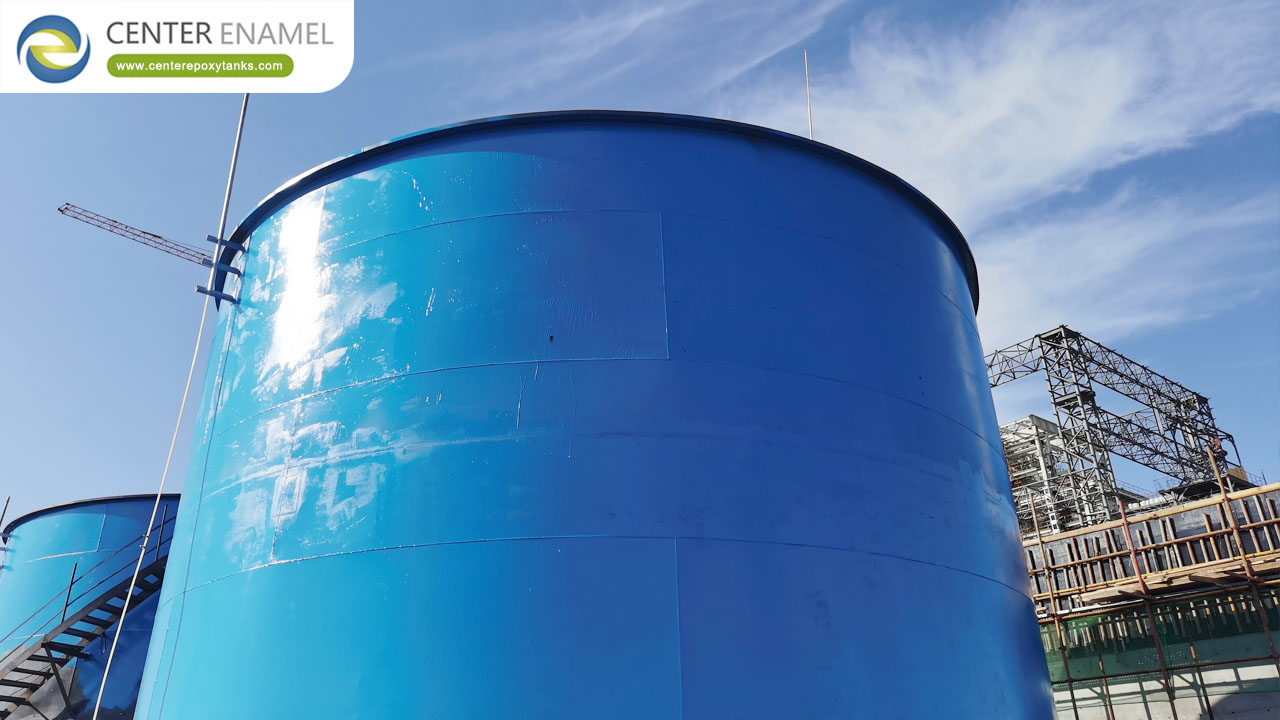
A carbon steel tank is a heavy-duty industrial storage vessel constructed primarily from an alloy of iron and carbon. Known for its exceptional tensile strength, structural rigidity, and cost-effectiveness, carbon steel is the most widely utilized material for manufacturing large-scale storage tanks and pressure vessels. While highly durable and easy to weld, bare carbon steel is susceptible to oxidation (rust) when exposed to moisture and aggressive chemicals. Therefore, carbon steel tanks used in municipal water, wastewater, petrochemical, and agricultural sectors are typically engineered with advanced interior and exterior protective coatings—such as Glass-Fused-to-Steel (GFS), Fusion Bonded Epoxy (FBE), or hot-dip galvanization—to ensure a long-term, corrosion-resistant service life.
The Material Science: Understanding Carbon Steel Grades
Not all carbon steel is the same. The performance of the tank depends heavily on the carbon content within the iron alloy, which dictates its hardness, ductility, and weldability.
● Low Carbon (Mild) Steel (Up to 0.30% Carbon): This is the industry standard for most bulk storage tanks. It offers the perfect balance of structural strength and malleability, making it highly weldable and easy to form into cylindrical or geodesic shapes without fracturing.
● Medium Carbon Steel (0.31% to 0.60% Carbon): Stronger and harder than mild steel, this grade is occasionally used in specialized pressure vessels or tanks that must withstand extreme mechanical wear and structural stress.
● High Carbon Steel (Above 0.60% Carbon): Extremely hard and brittle, this grade is rarely used for standard storage tanks due to the difficulty of welding and forming.
Primary Industrial Applications
Because of its versatility and lower raw material cost compared to high-alloy metals, carbon steel forms the backbone of global industrial infrastructure:
1. Petroleum and Chemical Storage: The structural density of carbon steel makes it ideal for holding crude oil, refined petrochemicals, and non-corrosive chemical compounds.
2. Pressure Vessels: In the chemical, energy, and heating sectors, thick-walled carbon steel is engineered to safely contain volatile gases and liquids under high atmospheric pressure.
3. Water and Wastewater Treatment: When properly coated with FBE or GFS, carbon steel tanks are the primary choice for municipal digesters, sludge treatment centers, and large-scale water equalization infrastructure.
4. Agricultural Bulk Storage: Used extensively for dry bulk silos (grains, feed) and liquid slurry containment on large-scale farms.
Comparative Overview: Carbon Steel vs. Alternatives
Feature | Carbon Steel (Coated) | Bare Carbon Steel | Stainless Steel |
Initial Cost | Moderate | Low | Very High |
Corrosion Resistance | High (Depends on coating) | Low (Prone to rust) | Excellent (Inert) |
Tensile Strength | Excellent | Excellent | High |
Maintenance | Low to Moderate | High | Minimal |
Best Application | Wastewater, Biogas, Water | Dry/Inert bulk storage | Food, Pharma, High-purity |
The Critical Role of Protective Coatings
The single greatest vulnerability of a carbon steel tank is corrosion. To maximize the Return on Investment (ROI) and extend the tank's lifecycle to 30+ years, industrial manufacturers apply specialized barriers to the steel substrate:
● Glass-Fused-to-Steel (GFS): Glass is fused to the carbon steel at high temperatures (800C+), providing the ultimate inert barrier against highly acidic or alkaline wastewater and biogenic gases.
● Fusion Bonded Epoxy (FBE): A thermoset polymer is electrostatically applied and cured, creating a highly durable, impact-resistant shield ideal for municipal and agricultural slurry storage.
● Galvanization: The carbon steel is hot-dipped in liquid zinc, creating a sacrificial cathodic layer that protects the base metal from environmental moisture, frequently used for potable water tanks.
Procurement Considerations for Site Engineers
When specifying a carbon steel tank for an upcoming project, it is vital to look beyond the raw material. Ensure your manufacturer provides:
● Structural Load Calculations: Finite Element Analysis (FEA) to confirm the steel thickness can handle local seismic, wind, and hydrostatic loads.
● Coating Certifications: Verification (such as Holiday Testing) that the protective layer applied to the carbon steel is 100% defect-free.
Would you like to explore a detailed technical comparison of how different carbon steel coatings (like FBE versus GFS) perform specifically in high-sulfur biogas environments?


