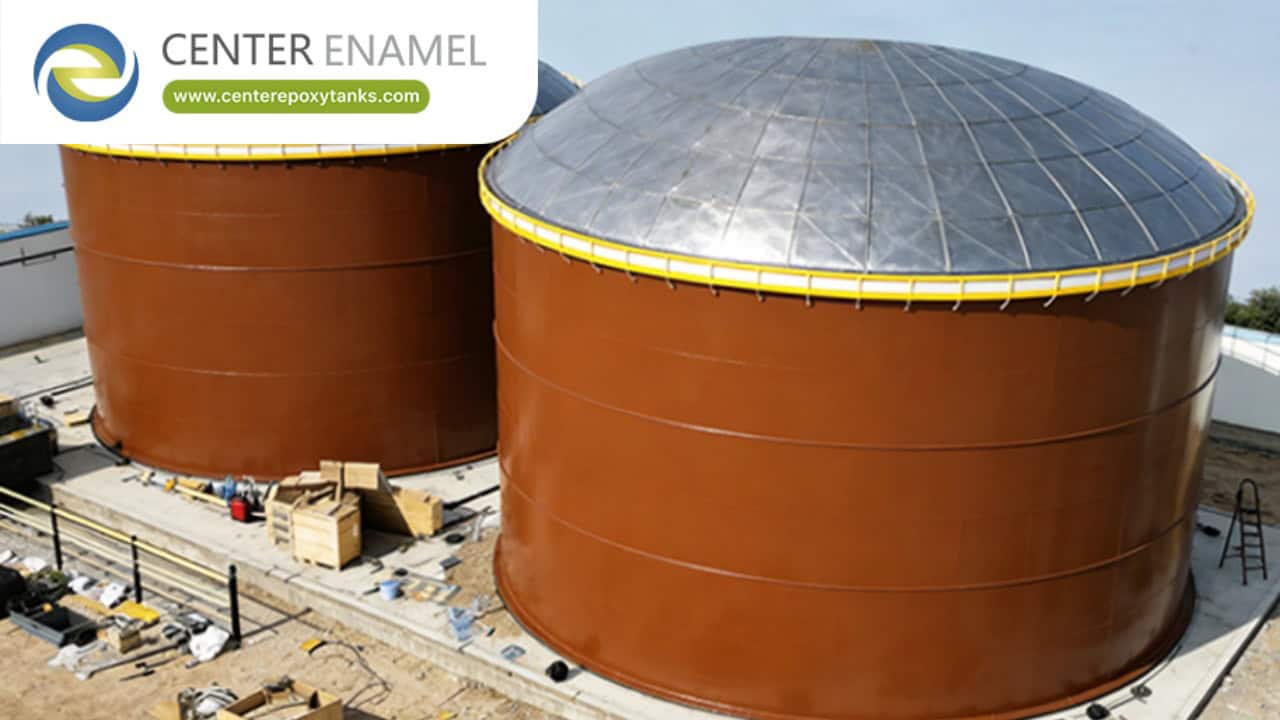
What Is the Best Roofing for a Geodesic Dome? Materials, Performance, and Applications
Geodesic domes are globally recognized for their architectural elegance, superior wind-shear resistance, and exceptional clear-span volumetric efficiency. Whether deployed as industrial storage tank covers in bulk liquid terminals, municipal water reservoirs, or architectural enclosures, a geodesic dome is only as resilient as its exterior cladding.
Choosing the best roofing for a geodesic dome depends entirely on its application, environmental exposure, and structural requirements. For heavy-duty industrial storage, high-grade aluminum panels represent the absolute industry standard.
1. Why Geodesic Dome Roofing Requires Specialized Cladding
Unlike traditional flat or pitched roofs where gravity drains water in a single direction, geodesic domes feature complex, three-dimensional geometry composed of interlocking triangular polygons. The roofing material must fit tightly across these nodes and struts while accommodating thermal expansion and contraction.
Key performance requirements for geodesic dome roofing include:
·
Absolute Weatherproofing: Preventing rain, snow, and ice accumulation from penetrating the spatial frame joints.
·
·
Corrosion and UV Resistance: Withstanding harsh industrial atmospheres, chemical fumes, and intense solar radiation without degrading.
·
·
Structural Lightweighting: Minimizing dead load on the triangulated frame and perimeter ring beam.
·
2. The Best Roofing Materials Compared
Depending on whether the dome is used for industrial storage or architectural structures, several primary roofing materials are utilized:
A. Aluminum Triangular Panels (The Industrial Gold Standard)
For aboveground storage tanks (ASTs) and industrial facilities, marine-grade aluminum panels locked into a geodesic space frame are unmatched. They form a self-healing aluminum-oxide passivation layer that prevents rust, require zero painting or maintenance, and provide exceptional thermal reflection.
B. Polycarbonate and Glass Glazing (Architectural & Greenhouse Domes)
For architectural domes, botanical structures, or wastewater clarifier covers where natural sunlight transmission is required, multi-wall polycarbonate or laminated glass panels fitted with specialized rubber gaskets offer high impact resistance and optical clarity.
C. Asphalt or Composite Shingles (Residential Geodesic Domes)
For residential or commercial wooden-framed geodesic homes, heavy-duty architectural asphalt shingles or metal shingles tailored to triangular segments provide traditional aesthetic appeal and waterproofing.
D. PVC and ETFE Fabric Membranes (Temporary & Lightweight Structures)
For temporary pavilions or large-scale exhibition domes, high-tensile fabric membranes stretched over structural steel or aluminum frames offer rapid deployment and translucent lighting.
Data Table: Geodesic Dome Roofing Materials Matrix
Roofing Material | Corrosion Resistance | Expected Lifespan | Primary Industrial / Commercial Application | Governing Standards |
Aluminum Triangular Panels | Excellent (Natural passivation; zero rust) | 40 to 50+ Years | Industrial storage tank domes, water reservoirs | AWWA D108, API 650 (Annex H) |
Polycarbonate / Glass Glazing | High (Resists UV and weathering) | 20 to 30 Years | Clarifier covers, architectural domes, greenhouses | ASTM, Local Building Codes |
Architectural Asphalt Shingles | Moderate (Requires periodic shingle replacement) | 15 to 25 Years | Residential geodesic homes, commercial pavilions | IRC / IBC Building Standards |
PVC / ETFE Fabric Membranes | Moderate to High (Subject to UV aging) | 15 to 20 Years | Temporary event structures, tensile canopies | ASCE 7 |
Frequently Asked Questions (FAQ)
Q: What is considered the best roofing material for an industrial geodesic dome?
A: For industrial applications like water storage tanks and petrochemical terminals, marine-grade aluminum triangular panels are the best roofing choice due to their lightweight strength, zero-maintenance corrosion resistance, and compliance with standards like AWWA D108.
Q: Can geodesic dome roofs be insulated for thermal control?
A: Yes. Industrial aluminum geodesic domes and architectural panels can be engineered with internal insulation layers (such as polyurethane foam or fiberglass backing) to regulate internal temperatures and prevent condensation.
Q: Why are triangular panels used on geodesic dome roofs instead of large sheets?
A: Triangular geometry matches the structural nodes of the geodesic frame, allowing for precise modular installation, superior load distribution, and easy replacement of individual panels if damaged.
Q: What engineering standards govern geodesic dome roofing materials?
A: Industrial geodesic dome roofs are strictly designed, fabricated, and tested in accordance with international standards such as AWWA D108 for aluminum dome covers and API 650 (Annex H) for petroleum storage applications.


