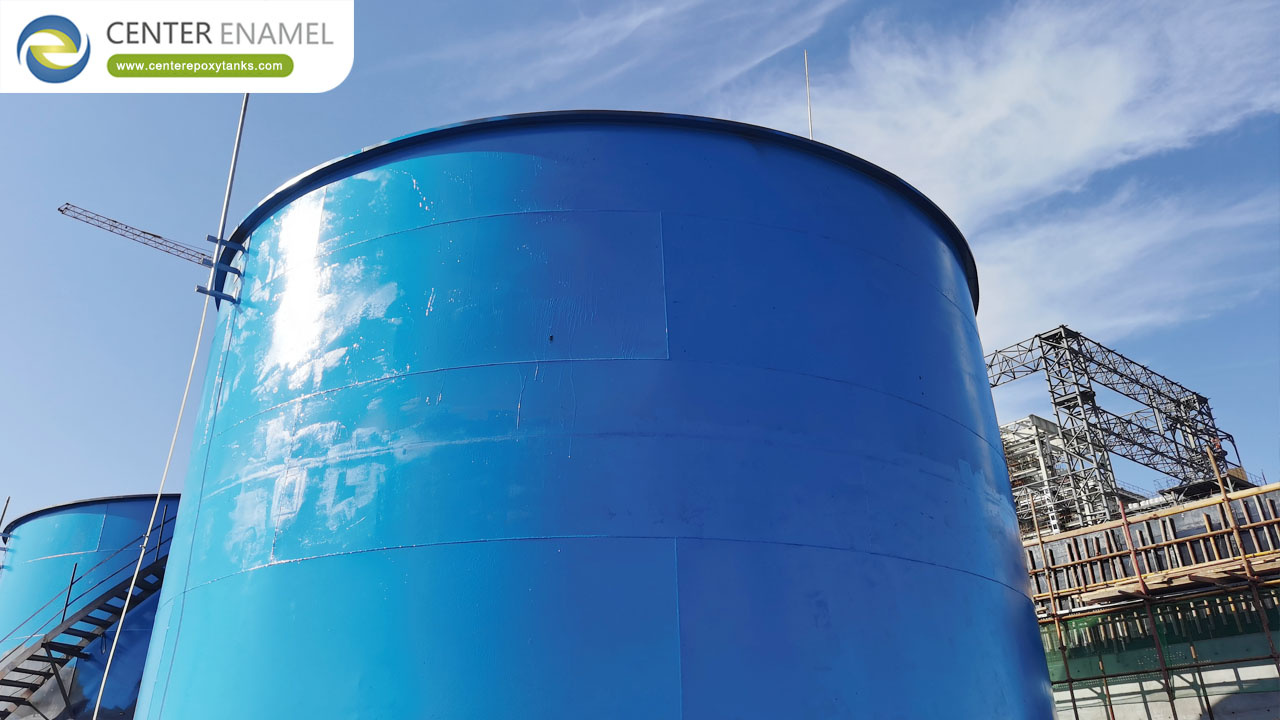
What Is Tank Design and Engineering?
Tank design and engineering is the discipline that converts storage requirements into a buildable, code-compliant tank: selecting standards, calculating shell thicknesses and loads, detailing welds and nozzles, and issuing fabrication and erection drawings with a complete calculation and specification package.Every durable storage tank begins long before steel is cut. Design and engineering fixes the design basis — product, capacity, temperature, site wind and seismic conditions — then translates it through the applicable code (API 650, API 620, AWWA D100, AWWA D103, or ASME Section VIII) into shell thicknesses, foundation loads, nozzle schedules, and roof structure.
Engineering continues through the whole project: foundation design coordination, fabrication drawings that a shop can actually build, erection sequencing, and the test plan that proves the finished tank. The deliverable that matters most is the documentation package — calculations, drawings, weld procedures, and test records — that follows the tank through inspection, expansion, and resale for decades.
Why Engineering Quality Decides Tank Outcomes
Storage tank failures almost never originate in steel; they originate in design decisions — wrong load assumptions, missing annexes, undersized foundations. Strong engineering is the cheapest insurance a tank project can buy.
l Skipping site-specific seismic and wind analysis produces shells that pass drawing review but fail in service.
l Poorly detailed nozzles and manways become leak paths and stress risers for the tank's entire life.
l Without complete documentation, every future inspection, repair, or ownership change restarts from zero.
The Tank Engineering Workflow
Professional tank engineering follows a four-stage progression:
1. Design Basis and Code Selection: Product data, capacity, plot constraints, and site loads are captured, and the governing standard (API, AWWA, ASME, or EN) is selected with applicable annexes.
2. Structural and Mechanical Calculation: Shell course thicknesses, bottom and annular plates, roof structure, wind girders, overturning stability, and nozzle reinforcement are computed and checked.
3. Detail Engineering: General arrangement, fabrication drawings, weld maps, bill of materials, and foundation interface drawings are issued for construction with full revision control.
4. Erection and Test Engineering: Weld procedures, NDE plans, hydrotest and settlement monitoring procedures, and the as-built data book complete the engineering scope.
Professional Engineering vs Template Design
Technical Parameter | Full Engineering Service | Template or Copy-Paste Design |
Site Load Coverage | Wind, seismic, and settlement analyzed for the actual location | Generic loads carried from unrelated projects |
Code Compliance | Applicable annexes selected and documented per condition | Annexes routinely missed until inspection |
Fabrication Efficiency | Drawings optimized for shop processes and weld access | Impractical details inflate cost and error rates |
Lifetime Documentation | Complete calculation and test package for audits | Gaps surface during API 653 and resale |
Tank Design and Engineering Scope
l Greenfield terminal and plant tankage engineering
l Capacity expansion and shell-raising calculations
l Change of product and re-rate engineering
l Seismic and wind retrofit analysis
l Foundation loading and interface coordination
l Second-opinion design reviews and due diligence
Key Advantages of Professional Tank Engineering
1. Site-Specific Safety Margins
Real wind, seismic, and soil data produce shells and foundations that are neither unsafe nor overbuilt — the right steel in the right place.
2. Constructible Details, Fewer Field Problems
Engineering that anticipates shop rolling capacity, weld access, and erection sequence avoids the change orders that dominate field budgets.
3. A Data Book That Pays for Itself
Complete documentation accelerates approvals, inspection, financing, and eventual resale — the cheapest hours on the entire project.
Quality Standards and Proven References
Center Enamel provides design, fabrication, construction, and aftermarket services for storage tanks and silos under ISO 9001 and ISO 45001 certified quality systems, with EN 1090 structural steel certification. With three decades of experience and projects delivered to more than 100 countries — including biogas and wastewater references for Paques and Veolia and industrial references for PetroChina and Sinopec — the company supports tank assets from commissioning through decades of inspection-driven service.
Frequently Asked Questions (FAQ)
Q: Which codes govern tank design?
A: Common governing standards are API 650 and API 620 for oil and low-pressure service, AWWA D100 and D103 for water tanks, ASME Section VIII for pressure vessels, and EN 14015 in European practice.
Q: How long does tank engineering take?
A: A single tank's engineering typically runs two to six weeks depending on complexity and annex requirements; terminal-scale packages are phased to match procurement and erection.
Q: Can engineering be performed for tanks built decades ago?
A: Yes. Reverse engineering from measurement, material verification, and recalculation to current codes restores a documented design basis for aging assets.
Q: What is the expected lifespan of a professionally engineered steel tank?
A: Steel tanks designed and built to recognized codes (API 650, API 620, AWWA D100, or ASME Section VIII) and maintained under scheduled inspection, coating, and repair programs routinely deliver service lives exceeding 30 years — and tanks managed under API 653-class integrity programs commonly remain in safe service for 50 years or more.


