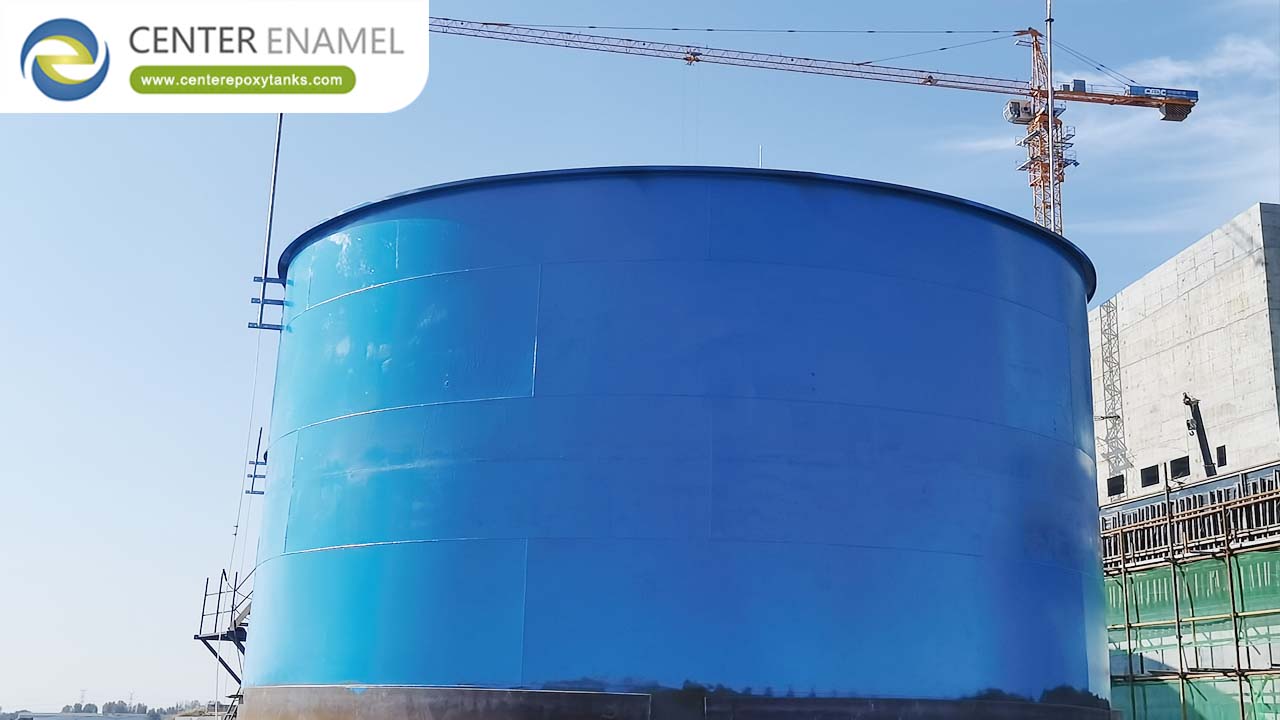
What Is Tank Construction (Field Construction)?
Tank construction, or field construction, is the on-site phase where a storage tank is physically built: erecting shell courses on the foundation, executing coded welding, performing non-destructive examination, and hydrotesting the completed vessel to hand over a code-certified tank.
What Is Tank Construction?
Field construction is where engineering meets reality. Plates arrive rolled and beveled, cranes lift shell courses into position, and certified welders join them under qualified procedures while inspectors track verticality, roundness, and weld quality against code tolerances measured in millimeters.
A professional field construction program is defined less by welding than by control: sequence planning that keeps a tank weather-tight as it rises, NDE scheduled so repairs never stall erection, and a documentation flow that closes every weld into the data book the same week it is made. Terminals and plants live or die by that discipline — outage windows and product delivery commitments are measured against it.
What Makes Field Construction Hard
A tank is a precision vessel built outdoors, at full scale, on a live industrial site. Weather, interfaces, and schedule pressure attack from every direction simultaneously.
l Wind delays crane picks and interrupts welding on open shells.
l NDE findings trigger repairs that cascade into the erection sequence.
l Permit, safety, and interface management on operating sites constrain every work hour.
The Field Construction Sequence
Professional field construction proceeds through controlled phases:
1. Foundation Handover and Layout: The tank foundation is surveyed and accepted, centerlines and anchor positions are set, and bottom plates are laid and welded with vacuum-box testing.
2. Shell Erection Course by Course: Shell courses are erected with temporary fit-up, girth and vertical welds completed under qualified WPS, and verticality and roundness monitored to tolerance.
3. Roof and Appurtenance Installation: Roof structure, deck, nozzles, platforms, stairs, and piping tie-ins complete the mechanical scope.
4. NDE, Hydrotest, and Closeout: Radiographic examination, water fill to design level with settlement monitoring, final coating touch-up, and data-book compilation deliver the certified tank.
Professional Field Contractor vs General Steel Erector
Technical Parameter | Specialist Tank Field Contractor | General Steel Erector |
Welding Qualification | API/ASME-coded procedures and continuous welder certification | Structural welding without tank code qualification |
NDE Management | Integrated RT/UT scheduling that keeps erection moving | NDE as an afterthought, delaying closure |
Code Tolerances | Plumbness, roundness, and levelness controlled to code limits | Structural tolerance not tank-grade |
Handover Package | Complete code data book with test records | As-builts only, no code documentation |
Field Construction Project Types
l New terminal tankage built tank by tank to preserve operations
l Refinery and plant tank replacements inside shutdown windows
l Water and wastewater process tanks at municipal works
l Bioenergy and digestate tank construction on live sites
l Tank raising, relocation, and reconstruction projects
l Emergency rebuilds after failure or weather events
Key Advantages of Specialist Field Construction
1. Schedule Certainty on Compressed Outages
Specialist sequencing — parallel NDE, weather-tight milestones, prefitted appurtenances — converts tight outage windows into achievable programs.
2. Weld Quality You Can Audit
Coded procedures, continuous welder qualification, and same-week NDE closure produce a data book that passes any third-party review on first submission.
3. Safety Discipline Around Live Facilities
Tank crews trained for hot work, product interfaces, and simultaneous operations keep construction from becoming the site's biggest risk.
Quality Standards and Proven References
Center Enamel provides design, fabrication, construction, and aftermarket services for storage tanks and silos under ISO 9001 and ISO 45001 certified quality systems, with EN 1090 structural steel certification. With three decades of experience and projects delivered to more than 100 countries — including biogas and wastewater references for Paques and Veolia and industrial references for PetroChina and Sinopec — the company supports tank assets from commissioning through decades of inspection-driven service.
Frequently Asked Questions (FAQ)
Q: How is a tank hydrotested?
A: The completed tank is filled with water to the design fill height in controlled increments while foundation settlement is measured at defined points; the level is held and the shell, roofs, and nozzles are inspected before controlled dewatering.
Q: Can construction proceed beside operating tanks?
A: Yes, with hot-work controls, fire watch planning, and exclusion zones; specialists routinely build inside live terminals under SIMOPS procedures.
Q: What is the construction season for field erected tanks?
A: Field work runs year-round in most climates with tenting and preheat in cold weather; monsoon and hurricane seasons are planned around rather than fought.
Q: What is the expected lifespan of a professionally engineered steel tank?
A: Steel tanks designed and built to recognized codes (API 650, API 620, AWWA D100, or ASME Section VIII) and maintained under scheduled inspection, coating, and repair programs routinely deliver service lives exceeding 30 years — and tanks managed under API 653-class integrity programs commonly remain in safe service for 50 years or more.


