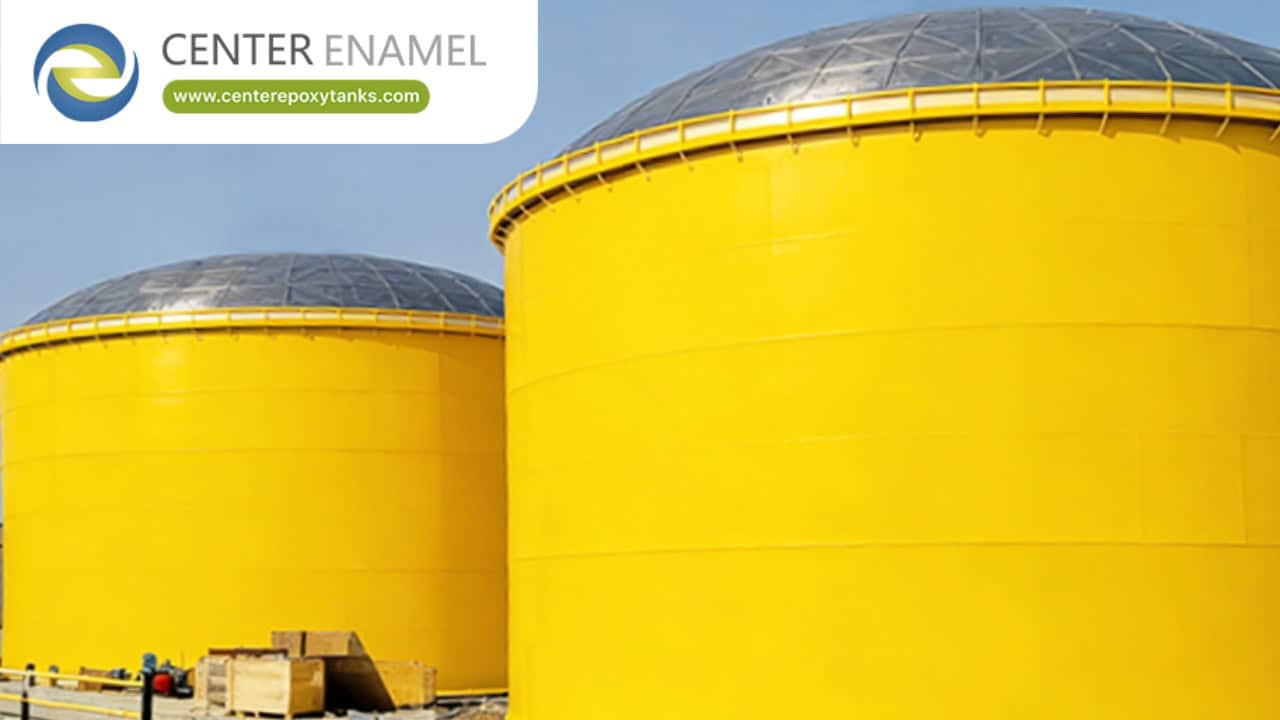
What Is Storage Tanks & Silos Design, Fabrication and Construction?
Storage tanks and silos design, fabrication and construction is the integrated delivery process for bulk storage assets: engineering the vessel to its product and code, fabricating components under quality systems, and erecting on site — delivered as one coordinated package from design basis to commissioned asset.Liquid tanks and dry bulk silos look like different businesses but share one delivery backbone: a design basis that captures product behavior, a code framework (API, AWWA, ASME, EN, or silo design standards), fabrication that converts certified steel into tolerance-true components, and construction that erects the vessel into a commissioned, documented asset.
Integration is the value proposition. When one organization owns engineering, fabrication, and construction, the design accounts for shop capabilities, the shop builds for erection efficiency, and the site crew receives components they helped specify — interfaces, the classic failure point of storage projects, simply disappear into one organization's internal coordination.
Why Fragmented Delivery Costs Money
Split the tank package between a designer, a fabricator, and a general contractor, and every seam between them becomes a change order venue: drawing errors the shop discovers, details the erector cannot build, tolerances nobody owns.
l Design-fabrication gaps produce impractical details and rework.
l Fabrication-erection gaps create fit-up problems paid for on site.
l Warranty fragmentation leaves defects disputed between parties.
The Integrated Delivery Sequence
One accountable delivery partner runs a continuous process:
1. Design Basis and Engineering: Product, capacity, site, and code requirements are converted into calculations and drawings with construction method in mind.
2. Fabrication Under Quality Systems: Certified steel is cut, formed, welded, and coated under audited quality control with full traceability.
3. Construction and Erection: Components are erected with coded welding, dimensional control, and safety discipline on the prepared foundation.
4. Testing, Commissioning, and Handover: Hydrotest or functional testing, documentation, and operator handover close the single-source responsibility.
Integrated Single-Source vs Fragmented Delivery
Delivery Aspect | Integrated Design-Build Package | Fragmented Multi-Contract |
Interface Risk | Internalized within one organization | Contractual gaps between parties |
Schedule Control | One master program, one accountable party | Cumulative float loss across contracts |
Design Constructability | Erection knowledge informs design daily | Design finished before buildability considered |
Warranty and Support | Single-point responsibility for the asset | Defects disputed between vendors |
Integrated Delivery Project Types
l Terminal tankage programs, tank by tank
l Water and wastewater plant tank batteries
l Industrial silo and bulk storage installations
l Anaerobic digestion and bioenergy tank packages
l Fuel farm and aviation storage projects
l Expansion and retrofit campaigns on live sites
Key Advantages of Single-Source Delivery
1. One Accountable Partner, No Gaps
Design, fabrication, and construction under one contract eliminate the interface disputes that consume fragmented projects' budgets and schedules.
2. Constructability Designed In
Engineering that knows the shop and the site produces details that build as drawn — the quiet source of most schedule savings.
3. Documentation Born Unified
The data book assembled through one delivery process serves inspection, financing, and expansion for the asset's whole life.
Quality Standards and Proven References
Center Enamel provides design, fabrication, construction, and aftermarket services for storage tanks and silos under ISO 9001 and ISO 45001 certified quality systems, with EN 1090 structural steel certification. With three decades of experience and projects delivered to more than 100 countries — including biogas and wastewater references for Paques and Veolia and industrial references for PetroChina and Sinopec — the company supports tank assets from commissioning through decades of inspection-driven service.
Frequently Asked Questions (FAQ)
Q: What is included in a design-fabricate-construct package?
A: Typically engineering and calculations, certified fabrication, site erection, testing, and complete documentation — optionally extended with foundations, piping, and commissioning to full turnkey scope.
Q: Does single-source delivery cost more?
A: Integrated packages often price competitively against fragmented totals once interface management, rework, and schedule risk are counted — and they transfer delivery risk the owner would otherwise carry.
Q: Can integrated delivery handle both tanks and silos?
A: Yes — the design-fabrication-construction backbone is shared; product behavior (liquid versus bulk solid) changes the engineering, not the delivery model.
Q: What is the expected lifespan of a professionally engineered steel tank?
A: Steel tanks designed and built to recognized codes (API 650, API 620, AWWA D100, or ASME Section VIII) and maintained under scheduled inspection, coating, and repair programs routinely deliver service lives exceeding 30 years — and tanks managed under API 653-class integrity programs commonly remain in safe service for 50 years or more.


