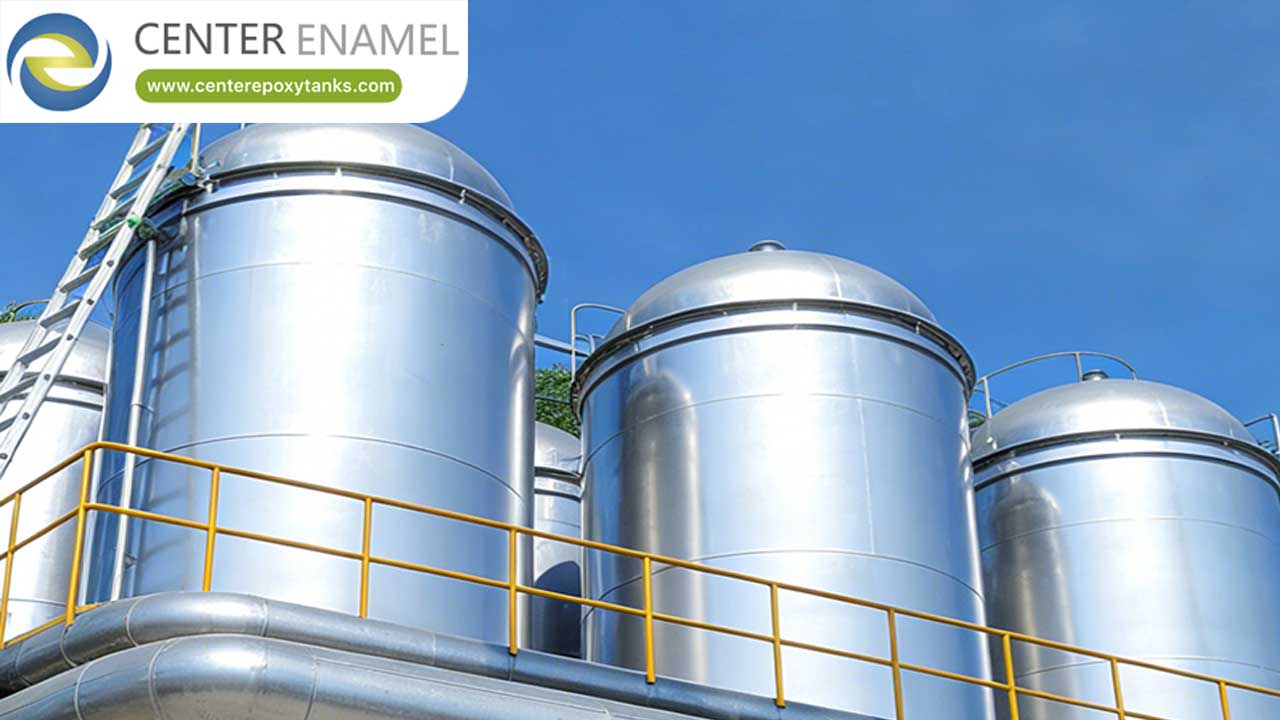
What Is an Avocado Oil Storage Tank? Industrial Design and Features
What Is an Avocado Oil Storage Tank?
An avocado oil storage tank is a highly specialized, food-grade industrial vessel engineered to store, settle, and preserve avocado oil post-extraction. Because premium avocado oil is cold-pressed and unrefined, it retains a high concentration of chlorophyll, oleic acid, and natural antioxidants. This makes it exceptionally vulnerable to environmental degradation.
The primary functions of an avocado oil tank are:
Oxidation Prevention: Exposure to ambient air degrades the monounsaturated fats in avocado oil, causing rapid rancidity. These tanks utilize hermetic sealing and inert gas systems to completely isolate the oil from oxygen.
Photo-Oxidation Defense: The high chlorophyll content in avocado oil makes it highly sensitive to light. Solid stainless steel construction provides a 100% opaque barrier, preventing UV rays from breaking down the oil's nutritional profile and vibrant green color.
Sediment Separation (Racking): Freshly extracted avocado oil contains microscopic fruit pulp and water. Tanks serve as settling vessels where gravity naturally pulls these impurities to the bottom. Specialized geometry allows operators to purge this sediment without losing clean oil.
Thermal Stability: Avocado oil must be kept at a stable, cool temperature to prevent degradation. Industrial tanks are often equipped with thermal cooling jackets to regulate internal temperatures during bulk storage.
Critical Design Features
Standard liquid storage is insufficient for high-value cold-pressed oils. Avocado oil tanks rely on stringent engineering features to meet food safety and quality preservation standards:
Food-Grade Stainless Steel: Tanks must be constructed from AISI 304 (standard food-grade) or AISI 316L (high-corrosion resistance) stainless steel. Interiors feature a sanitary, mirror-polished finish to prevent microbial buildup and facilitate clean-in-place (CIP) processes.
Conical Bottom Geometry: The tank bottom is typically angled (often at 30° to 45°), funneling residual water and fruit sediment to a single, concentrated low point. A bottom-draw valve allows for easy purging of this waste.
Nitrogen Blanketing Systems: Built-in injection ports allow facilities to pump food-grade nitrogen or argon into the tank. This heavy, inert gas displaces oxygen, creating a protective layer directly over the oil's surface.
Variable Capacity Lids (For Smaller Operations): Some tanks use floating lids with pneumatic seals that adjust to the exact liquid level, ensuring zero headspace as the tank is gradually emptied.
Material and Geometry Comparison
Feature | Specification | Primary Benefit for Avocado Oil |
Material | AISI 304 / 316L Stainless Steel | Non-porous, prevents polymer leaching, completely blocks UV light. |
Base Shape | Conical (30°-45° slope) | Centers sediment and water for efficient bottom-purging (racking). |
Sealing | Hermetic / Variable Capacity | Eliminates oxygen exposure to preserve oleic acid and prevent rancidity. |
Temperature | Dimple Cooling Jackets | Maintains thermal stability during seasonal temperature fluctuations. |
Frequently Asked Questions (FAQ)
Why is stainless steel required for avocado oil storage?
Stainless steel (AISI 304 or 316) is completely non-reactive, non-porous, and opaque. Plastic containers can leach chemicals into the oil and allow microscopic oxygen ingress over time. Stainless steel ensures absolute purity, prevents flavor contamination, and maximizes the oil's shelf life.
What is nitrogen blanketing, and why does avocado oil need it?
Nitrogen blanketing is the injection of inert nitrogen gas into the top of the storage tank. Because nitrogen is heavier than oxygen, it forms a protective layer over the oil, pushing ambient air out through a vent. This halts the oxidation process, which is critical for preserving the delicate fats and antioxidants in unrefined avocado oil.
Do I need a conical bottom or a flat bottom tank?
If you are storing freshly extracted avocado oil that still contains microscopic pulp and water, a conical bottom is mandatory. It allows gravity to pull the sediment to the lowest point for easy removal. Flat bottom tanks are only suitable for oil that has already been heavily filtered and refined.
Can an avocado oil tank be used for other cold-pressed oils?
Yes. The engineering requirements for avocado oil—specifically oxidation prevention, UV blocking, and sediment settling—are nearly identical to those required for high-grade extra virgin olive oil (EVOO) and cold-pressed nut oils. A well-designed stainless steel tank can easily be cleaned and repurposed for these similar products.


