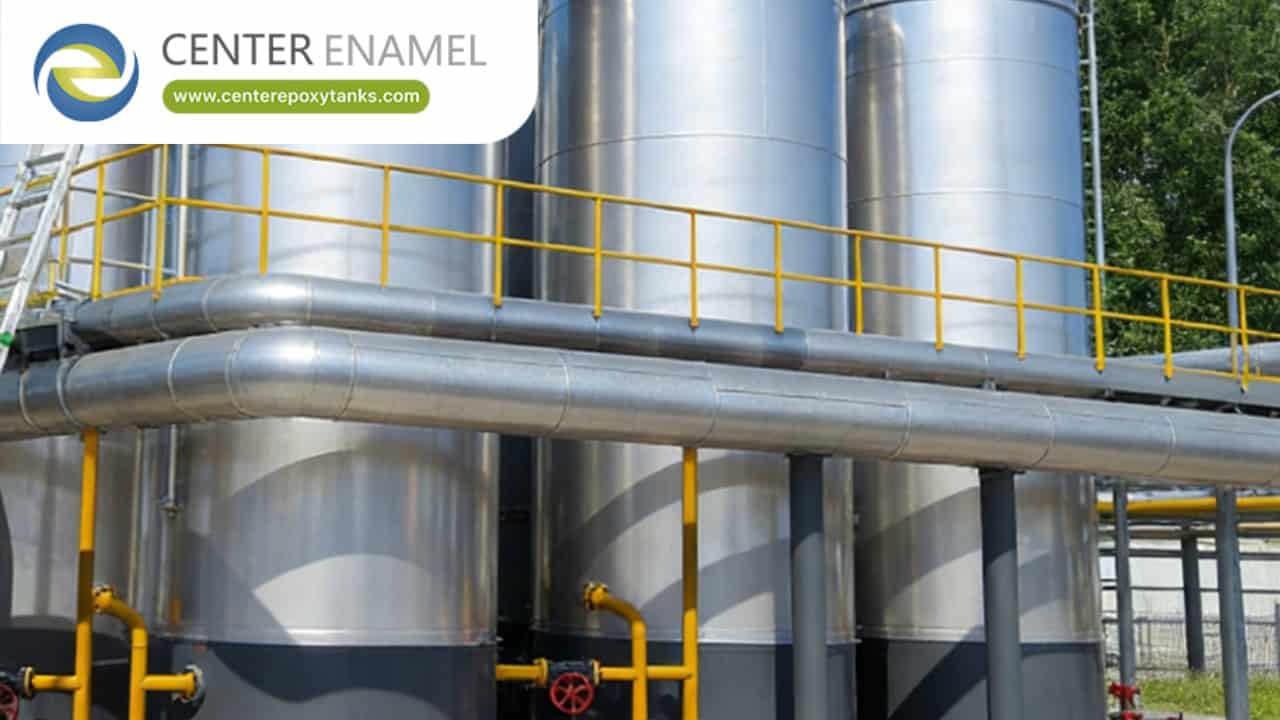
What Is an Almond Oil Storage Tank? Industrial Design and Features
What Is an Almond Oil Storage Tank?
An almond oil storage tank is a specialized, food- and cosmetic-grade industrial vessel engineered to store bulk quantities of almond oil safely. Because almond oil is rich in natural monounsaturated fats, oleic acid, and Vitamin E, it is widely utilized across both the food processing and high-end cosmetic manufacturing sectors.
Unlike standard water or chemical containers, an almond oil storage tank acts as a strict preservation environment. Because the oil is sensitive to light, oxygen, and heat, the tank is designed to protect its chemical composition, prevent rancidity, and maintain a pristine shelf life.
The primary functions of these industrial tanks include:
Oxidation Prevention: Exposure to ambient air degrades the fatty acids in almond oil, leading to rancid odors and a loss of nutritional properties. Tanks use hermetic seals and gas blanketing to completely isolate the oil from oxygen.
UV Light Protection: Natural light accelerates the photo-oxidation of organic plant oils. Solid stainless steel fabrication creates a 100% opaque barrier, protecting the oil far better than plastic or translucent containers.
Thermal Stability: Almond oil must be stored away from extreme heat sources. Advanced industrial tanks are thermally insulated and equipped with cooling jackets to maintain optimal ambient temperatures.
Critical Engineering Features
To meet stringent food-safety and cosmetic-grade manufacturing standards, professional almond oil storage tanks integrate several essential features:
Sanitary Stainless Steel Construction: Tanks are fabricated exclusively from AISI 304 or 316L stainless steel. The interior surfaces feature a mirror-polished, seamless finish to prevent bacterial growth and ensure effortless cleaning between batches.
Inert Nitrogen Blanketing Systems: Automated pressure-regulating valves inject food-grade nitrogen into the tank's headspace as oil is drawn out. This heavy, inert gas displaces ambient air, halting the oxidation process entirely.
Thermal Control Jackets: For facilities operating in extreme climates, external dimple jackets circulate chilled glycol or warm water to regulate internal temperatures, protecting the integrity of heat-sensitive Vitamin E compounds.
Clean-In-Place (CIP) Compatibility: Tanks feature permanently mounted rotary spray balls in the dome, allowing automated rinsing and sterilization with food-safe sanitizers without requiring manual entry.
Tank Configuration Comparison
Feature | Conical Bottom Tanks | Flat / Sloped Bottom Tanks |
Primary Application | Processing, settling out fine residues, and complete batch clearing. | Bulk storage and long-term holding for fully filtered oil. |
Drainage Efficiency | 100% gravity-assisted complete drainage via a bottom-center valve. | Requires mechanical pumping or a sloped floor to empty fully. |
Sediment Racking | Excellent; funnels heavy fruit or nut pulp to a single purge point. | Limited; not suitable for unfiltered, settling oils. |
Structural Profile | Requires elevated support legs or a skirt; higher vertical footprint. | Space-efficient; rests directly on reinforced concrete pads. |
Frequently Asked Questions (FAQ)
Why is stainless steel mandatory for storing almond oil?
Stainless steel (AISI 304 or 316L) is completely non-porous and non-reactive. Plastic containers can leach chemical polymers into the oil over time, allow microscopic oxygen ingress, and expose the oil to degrading UV light. Stainless steel ensures total chemical purity and extends product shelf life.
What is nitrogen blanketing, and why do almond oil tanks use it?
Almond oil contains delicate fatty acids that react with oxygen, causing it to go rancid. Nitrogen blanketing is the process of filling the empty space above the oil with inert nitrogen gas. Because nitrogen is heavier than oxygen, it forms a protective blanket over the oil, locking out ambient air and preventing oxidation.
At what temperature should bulk almond oil be stored?
Almond oil should ideally be stored in a cool, climate-controlled environment between 15°C and 20°C (59°F to 68°F). Exposure to high heat degrades its delicate antioxidant properties and accelerates rancidity, which is why insulated stainless steel tanks with temperature regulation are preferred in industrial facilities.
Can the same tank be used for both food-grade and cosmetic-grade almond oil?
Yes, provided the tank undergoes a rigorous Clean-In-Place (CIP) sterilization cycle between uses. Because high-grade stainless steel does not absorb odors or residues, a properly sanitized tank can easily alternate between food and cosmetic processing runs without cross-contamination.


