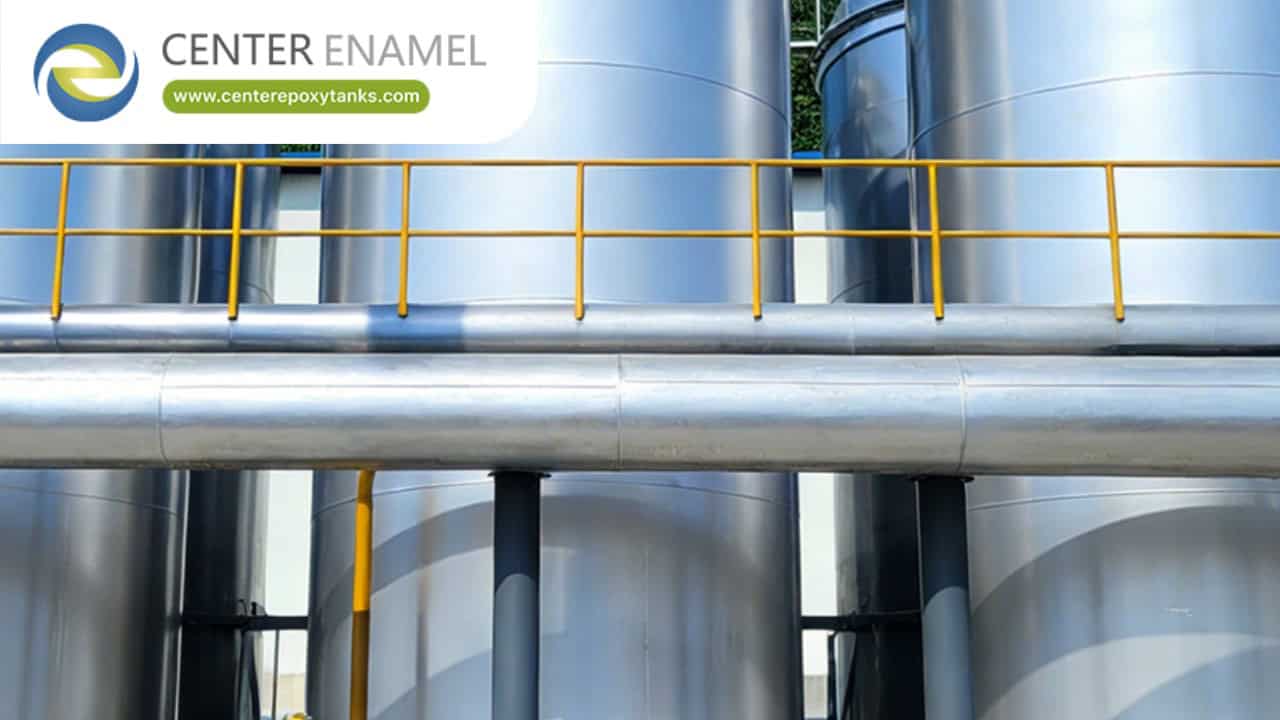
What Is a Waste Oil Storage Tank? Industrial Safety and Design Guide
What Is a Waste Oil Storage Tank?
A waste oil storage tank is a heavy-duty industrial vessel designed to safely collect, contain, and hold used petroleum-based or synthetic oils (such as used motor oil, hydraulic fluid, transmission fluid, and industrial lubricants) prior to recycling or disposal.
Unlike virgin oil storage, waste oil often contains contaminants, including water, glycol, metal shavings, and chemical solvents. Consequently, these tanks act as secure environmental containment systems engineered to prevent hazardous leaks, manage chemical sludge, and comply with strict environmental regulations.
The primary functions of an industrial waste oil tank include:
Environmental Spill Prevention: Used oil is classified as a hazardous or regulated pollutant in many jurisdictions. Waste oil tanks utilize secondary containment to ensure zero leakage into soil or groundwater.
Contaminant and Sludge Management: Waste oil naturally separates over time, with heavy particulate matter and water settling at the bottom. Specialized tank designs allow operators to purge these sludges safely.
Regulatory Compliance: Facilities storing used oil must meet strict federal and local environmental laws (such as EPA guidelines and SPCC mandates), making certified tank construction mandatory.
Critical Engineering Features
Waste oil storage requires robust engineering to handle corrosive mixtures and heavy fluids safely. Key design elements include:
Double-Wall (Bunded) Construction: The industry standard for safety. A double-wall tank features an inner primary vessel enclosed within a sealed outer shell designed to hold at least 110% of the tank's total capacity, eliminating the need for external concrete dikes.
Interstitial Monitoring Systems: Sensors placed in the sealed gap between the inner and outer walls provide continuous, real-time alerts if the primary vessel experiences a leak or compromise.
Certified Structural Standards: High-quality industrial tanks are fabricated from heavy-gauge carbon steel and built to standards like UL 142 to guarantee structural integrity, pressure resistance, and fire safety.
Secure Access and Filtration Ports: Equipped with locked fill ports, strainer baskets to catch large debris or metal filters, and specialized draw-off valves to separate accumulated water from the oil.
Tank Configuration Comparison
Feature | Aboveground Storage Tanks (ASTs) | Underground Storage Tanks (USTs) |
Inspection & Maintenance | Highly accessible; leaks or structural wear are instantly visible during routine checks. | Difficult to inspect; requires specialized subsurface testing equipment. |
Regulatory Burden | Lower relative complexity; easier to meet standard SPCC and fire code rules. | Highly stringent; requires continuous precision leak detection and corrosion protection systems. |
Space Utilization | Requires a dedicated surface footprint and physical protection (bollards). | Saves surface space and protects the tank from surface vehicle impacts. |
Frequently Asked Questions (FAQ)
What types of liquids can be put into a waste oil storage tank?
Waste oil tanks are designed for used motor oils, automatic transmission fluids, gear oils, and hydraulic fluids. However, they must not be mixed with hazardous wastes like solvents, antifreeze, gasoline, or paint thinners unless the tank system is specifically certified and permitted for co-collection.
Why are double-wall tanks mandatory for most waste oil applications?
Double-wall (bunded) tanks provide built-in secondary containment. If the inner wall cracks or leaks, the outer shell traps the oil internally. This prevents environmental contamination and satisfies EPA and SPCC regulations without the high cost of building concrete containment dikes.
How do you clean sludge out of a waste oil storage tank?
Over time, heavy metals, water, and debris settle to the bottom of the tank. Industrial waste oil tanks feature a sloped bottom or a specialized clean-out port. Facilities typically hire certified waste management contractors to pump out the accumulated sludge during scheduled maintenance cycles.
Do waste oil storage tanks require heating elements?
In colder climates, waste oil can thicken and become difficult to pump. Some industrial waste oil tanks feature internal electric heating blankets or low-wattage immersion heaters to maintain a low-viscosity state, ensuring the oil can be easily transferred out during winter months.


