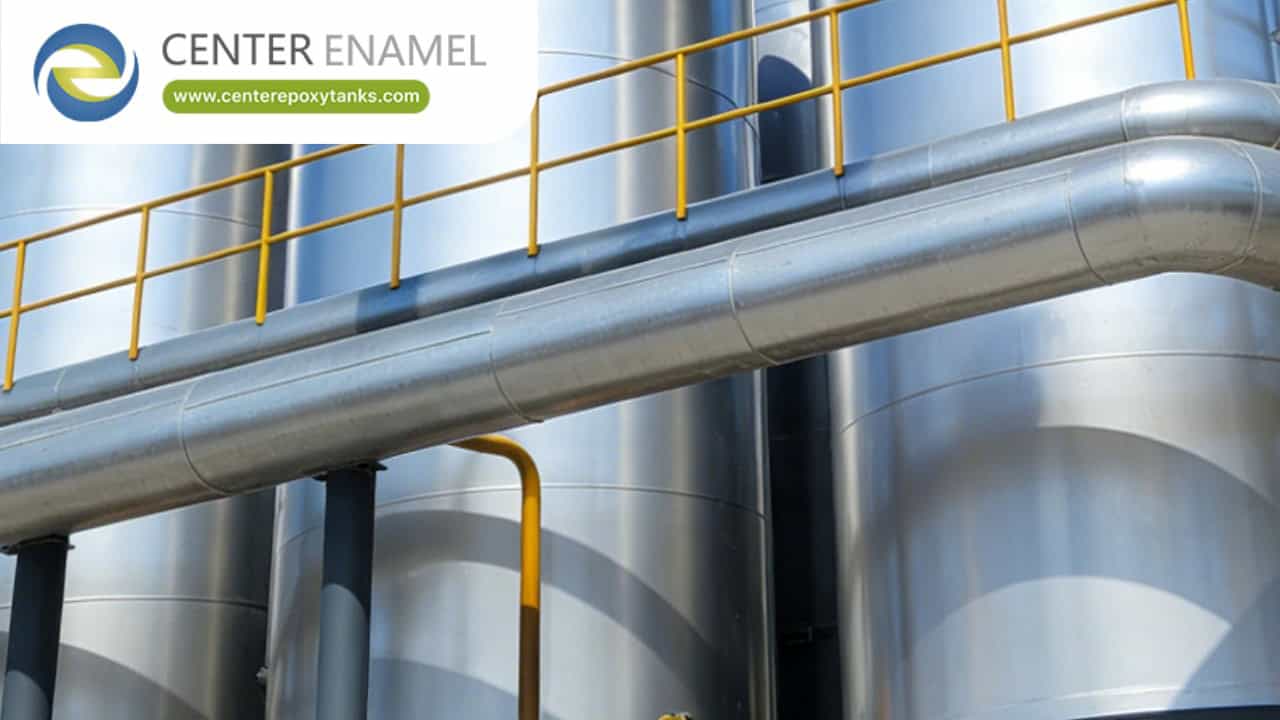
What Is an Algae Oil Storage Tank? Industrial Design and Features
What Is an Algae Oil Storage Tank?
An algae oil storage tank is a highly specialized, sanitary industrial vessel engineered to store bulk quantities of oil extracted from microalgae. Algae oil is primarily cultivated for two distinct sectors: high-value nutraceuticals (rich in Omega-3 DHA and EPA) and advanced biofuels.
Because algae oil is extremely rich in polyunsaturated fatty acids (PUFAs), it is exceptionally fragile. It degrades rapidly when exposed to oxygen, light, and temperature fluctuations. Therefore, a storage tank for algae oil acts as a strictly controlled preservation environment rather than just a passive holding vessel.
The primary functions of these industrial tanks include:
Oxidation Prevention: Oxygen rapidly degrades Omega-3 fatty acids, leading to rancidity (a spike in peroxide values). These tanks utilize hermetic seals and inert gas blanketing to completely isolate the oil from ambient air.
Photo-Oxidation Defense: Algae oil is highly sensitive to UV light, which accelerates the breakdown of its organic compounds. Solid stainless steel construction creates a 100% opaque barrier to preserve the oil's nutritional and chemical integrity.
Strict Thermal Regulation: To prevent degradation and maintain flowability, the oil must be kept at precise temperatures. Advanced tanks feature thermal jackets and heavy insulation to protect against ambient temperature swings.
Critical Engineering Features
Given the high commercial value of nutraceutical-grade algae oil, industrial tanks must incorporate the following stringent design features to ensure food safety and product stability:
Food-Grade Stainless Steel Construction: Tanks must be fabricated from AISI 304 or 316L stainless steel. The interior requires a high-polish, sanitary finish to eliminate microscopic pits where bacteria or residual oil could harbor and spoil subsequent batches.
Nitrogen Blanketing Systems: This is a non-negotiable feature for high-grade algae oil. An automated valve system continuously monitors the tank's internal pressure. As oil is drawn out, food-grade nitrogen gas is injected into the headspace, displacing oxygen and halting the oxidation process.
Thermal Cooling/Heating Jackets: Depending on the surrounding climate and the specific viscosity of the algae oil, tanks are equipped with external dimple jackets that circulate cooling glycol or warm water to maintain a stable internal temperature.
Clean-In-Place (CIP) Integration: To maintain sterile conditions, tanks feature automated rotary spray balls mounted in the dome. These spray systems blast the interior walls with food-safe sanitizing solutions and hot water, ensuring complete sterilization between production runs.
Tank Configuration Comparison
The ideal tank geometry depends on the processing stage and the volume of oil being handled.
Feature | Conical Bottom Tanks | Flat / Sloped Bottom Tanks |
Primary Application | Processing, settling, and daily production storage. | Large-scale bulk storage and transport holding. |
Drainage Efficiency | 100% gravity-assisted complete drainage. | Leaves a slight residue; may require a sloped base for optimal pumping. |
Sediment Racking | Excellent; funnels heavy impurities to the lowest point for easy purging. | Poor; not ideal for oil that still requires settling. |
Footprint & Cost | Higher manufacturing cost; requires structural support legs. | Highly space-efficient; rests directly on a concrete foundation. |
Frequently Asked Questions (FAQ)
Why is nitrogen blanketing mandatory for algae oil storage?
Algae oil is incredibly rich in Omega-3 polyunsaturated fats, which react violently with oxygen. This oxidation causes the oil to go rancid quickly, destroying its nutritional value and creating foul odors. Nitrogen blanketing forces all oxygen out of the tank's headspace, replacing it with an inert, protective gas layer that preserves the oil's quality.
Can algae oil be stored in plastic tanks?
For high-value, nutraceutical-grade algae oil, plastic tanks are strongly discouraged. Plastic is slightly porous, allowing microscopic oxygen ingress over time, and it can leach chemical polymers into the oil. Furthermore, many plastics are semi-translucent, exposing the oil to damaging light. Stainless steel is the only reliable material for commercial preservation.
How is temperature controlled in a stainless steel algae oil tank?
Industrial tanks are fitted with dimple jackets—a specialized outer shell welded to the tank wall. Operators circulate temperature-controlled fluids (like chilled glycol or warm water) through these jackets to gently regulate the oil's temperature. The entire tank is then wrapped in heavy insulation to prevent energy loss and protect against outside weather conditions.
Does algae oil storage require a conical bottom tank?
If the algae oil is freshly extracted and still needs to settle out residual biomass, water, or impurities, a conical bottom is highly recommended. The cone shape funnels all heavy sediment to a single valve at the bottom for easy removal. If the oil is already heavily refined and filtered, a flat or slightly sloped bottom tank is sufficient for bulk storage.


