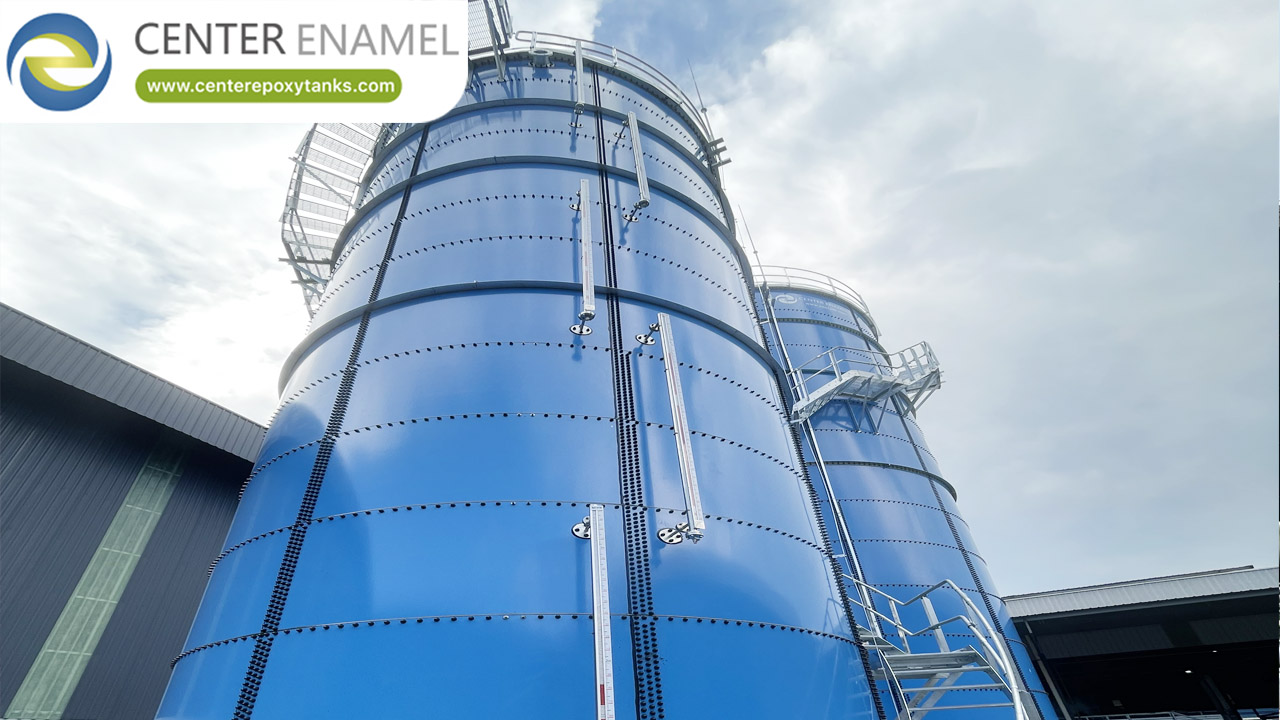
What is a Wheat Storage Silo? Design, Function, and Commercial Preservation
A wheat storage silo is an engineered vertical cylindrical structure designed specifically to store bulk quantities of harvested wheat safely, efficiently, and for extended periods. By sealing the commodity within a controlled environment, a wheat silo protects grain from environmental elements such as rain, high humidity, destructive pests, rodents, and extreme temperature fluctuations.
Unlike traditional horizontal warehouses or temporary bagging systems, modern steel wheat silos maximize vertical space while integrating automated aeration and thermal monitoring systems. This prevents post-harvest spoilage and preserves grain grading quality, making silos indispensable infrastructure for commercial farms, flour milling plants, and seaport export terminals.
How Wheat Storage Silos Work
Maintaining high-quality wheat inside a tall steel silo requires a precise combination of mechanical handling and automated environmental management:
Loading: Harvested wheat kernels are transported via bucket elevators or enclosed belt conveyors to the roof of the silo, where a central filling spout or distributor spreads the grain evenly to maintain structural balance.
Aeration and Moisture Control: Because wheat is a living commodity that generates heat and respires, integrated floor aeration ducts push conditioned, dry air upward through the grain mass. This stabilizes core temperatures and eliminates moisture pockets.
Thermal Monitoring: Digital temperature-sensing cables suspended throughout the interior track thermal conditions in real-time, instantly alerting operators to any developing hot spots or insect activity.
Discharge: When required for milling or transport, wheat is extracted either via gravity flow or mechanical sweep systems and routed directly into rail cars, transport trucks, or processing lines.
Primary Types of Wheat Storage Silos
Depending on the operational scale and turnover frequency of the facility, wheat silos are generally categorized into two main structural designs:
1. Flat-Bottom Wheat Silos
Design: Built directly onto heavy-duty reinforced concrete foundation slabs, offering massive, high-capacity storage.
Unloading Mechanism: Utilizes central gravity flow combined with rotating mechanical sweep augers to clear remaining grain along the floor.
Application: Ideal for long-term strategic reserves, commercial grain elevators, flour mills, and port export terminals.
2. Hopper-Bottom Wheat Silos
Design: Features a sloped conical steel base elevated by heavy structural steel support legs.
Unloading Mechanism: Enables 100% gravity-assisted discharge without requiring sweep augers or manual cleanout.
Application: Perfect for high-turnover operations, feed mills, seed processing plants, and facilities requiring frequent batch loading.
Technical Comparison: Wheat Silo Configurations
Parameter / Feature | Flat-Bottom Wheat Silos | Hopper-Bottom Wheat Silos |
Capacity Range | Massive (Thousands to tens of thousands of tons) | Moderate (Hundreds to ~2,000 tons) |
Foundation Base | Reinforced concrete slab or ringwall | Heavy structural steel support legs on concrete piers |
Discharge Method | Gravity flow + mechanical sweep augers | 100% gravity-assisted flow (no sweep required) |
Storage Duration | Long-term strategic storage (6 to 18+ months) | Short-to-medium term holding, high turnover |
Primary Industry Use | Commercial grain elevators, flour mills, port terminals | Flour mills, seed plants, rapid-loading farms |
Key Benefits of Storing Wheat in Modern Silos
Investing in engineered steel wheat storage infrastructure yields profound operational and financial advantages:
Drastic Reduction in Spoilage: Airtight structural sealing and automated aeration keep post-harvest storage losses to a fraction of one percent, eliminating waste from mold and pests.
Preservation of Milling Quality: Keeping wheat at stable, cool temperatures preserves protein integrity, baking quality, and seed germination rates.
Strategic Market Timing: Silos provide farmers and grain merchants with the financial freedom to hold harvested wheat until market prices peak, rather than selling immediately during harvest gluts.
Frequently Asked Questions (FAQ)
Q: What is the main purpose of a wheat storage silo?
A: A wheat storage silo is designed to store bulk harvested wheat safely over extended periods, protecting the grain from moisture, extreme weather, insects, and rodents while maintaining its commercial grading quality.
Q: How do wheat silos prevent the grain from rotting or heating up?
A: Silos prevent spoilage through airtight structural design (blocking exterior humidity) and built-in automated aeration systems that force cool, dry air through the grain mass to regulate core temperatures and eliminate moisture migration.
Q: How long can wheat be stored safely in a steel silo?
A: When wheat is properly dried to safe moisture levels (typically 12% to 13%) and continuously monitored via aeration and temperature cables, it can be stored safely in a steel silo for many months or even several years without quality degradation.
Q: What is the difference between a flat-bottom and hopper-bottom wheat silo?
A: Flat-bottom silos rest on concrete slabs and offer massive capacity for long-term commercial storage, requiring sweep augers to unload. Hopper-bottom silos feature a sloped conical base for 100% gravity discharge, making them ideal for high-turnover facilities.


