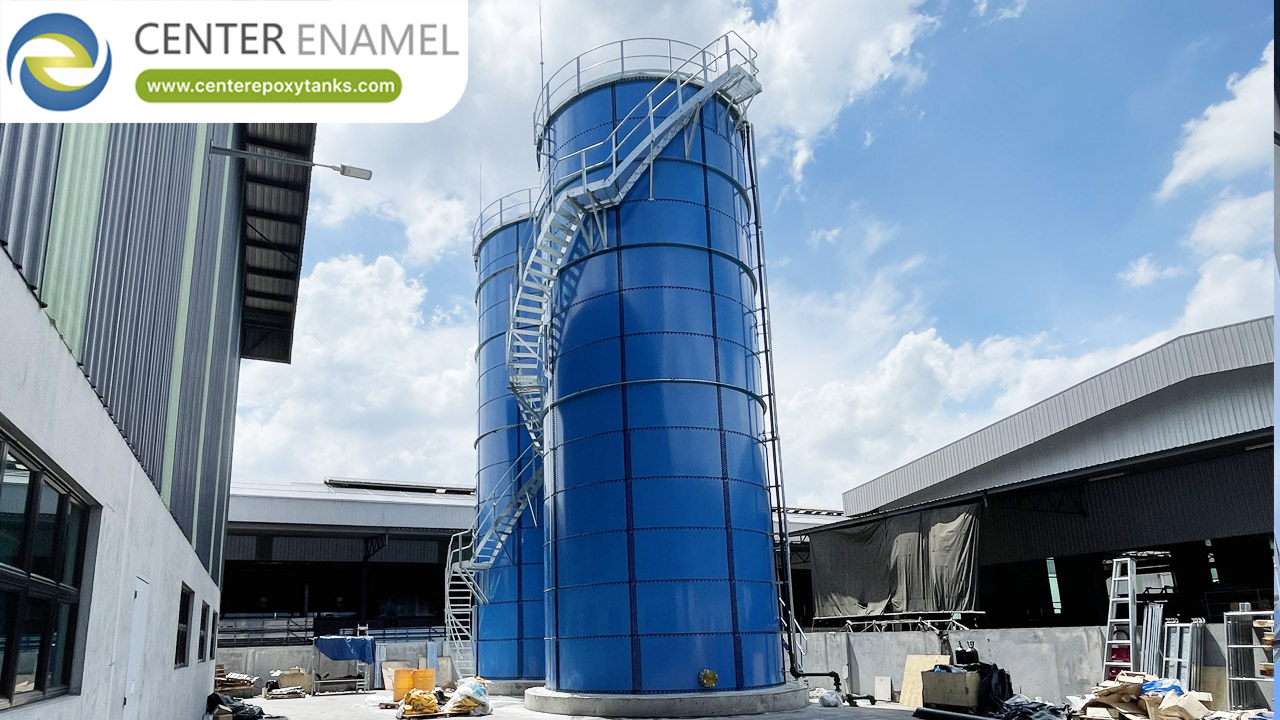
What is a Rice Silo? Design, Function, and Modern Rice Preservation
A rice silo is a specialized vertical cylindrical storage structure engineered specifically to hold harvested paddy rice or processed white rice safely, efficiently, and for extended periods. Because rice is a high-value staple crop highly sensitive to humidity, temperature fluctuations, and insect activity, traditional open-air storage often leads to high spoilage rates and quality degradation.
Modern steel rice silos provide a sealed, climate-controlled environment equipped with automated aeration and thermal monitoring systems. This preserves grain integrity, prevents moisture condensation, and protects the harvest from pests, making rice silos essential infrastructure for commercial farms, rice mills, and international export terminals.
How Rice Storage Silos Work
Preserving rice inside a steel silo requires careful management of physical storage dynamics to prevent kernel cracking (known as sun-checking) and mold growth:
Loading: Harvested paddy rice is transported via bucket elevators or enclosed belt conveyors to the top of the silo, where a central filling spout distributes the grain evenly across the interior cross-section.
Active Aeration and Drying: Because rice requires strict moisture control (typically stored at 12% to 14% moisture content), integrated floor aeration ducts push conditioned, dry air upward through the grain mass to regulate core temperatures and eliminate humidity pockets.
Real-Time Thermal Monitoring: Digital temperature-sensing cables suspended throughout the silo track thermal conditions continuously, alerting operators instantly to any potential hot spots or insect activity.
Controlled Discharge: When ready for milling or transport, the rice is extracted via gravity flow or mechanical sweeping systems and routed directly to processing lines or transport vehicles.
Primary Types of Rice Silos
Depending on the scale of the facility and the operational workflow, rice silos are divided into two main structural categories:
1. Flat-Bottom Rice Silos
Design: Built directly onto heavy-duty reinforced concrete foundation slabs for massive, long-term bulk storage.
Unloading Mechanism: Utilizes central gravity flow combined with rotating mechanical sweep augers to clear remaining rice along the floor.
Application: Ideal for large commercial grain elevators, major rice processing mills, and port export terminals holding thousands of tons of paddy rice.
2. Hopper-Bottom Rice Silos
Design: Features a sloped conical steel base supported by heavy structural steel support legs.
Unloading Mechanism: Enables 100% gravity-assisted discharge without requiring sweep augers or manual cleanout.
Application: Perfect for high-turnover operations, seed rice holding, and daily milling batch feeding where rapid unloading is required.
Technical Specifications & Rice Silo Parameters
The data table below outlines the core engineering parameters and operational specifications of modern steel rice storage systems:
Technical Parameter | Specification / Design Standard | Operational Impact |
Material Construction | Corrugated galvanized steel sheets (high zinc coating) | Provides high structural strength and corrosion resistance in humid tropical or subtropical climates. |
Ideal Storage Moisture | Paddy rice maintained at 12% - 14% moisture | Prevents microbial spoilage, kernel respiration heating, and fungal mycotoxin growth. |
Aeration Airflow Rate | Engineered CFM per bushel / $text{m}^3/text{h}cdottext{t}$ | Continuously cools the rice mass and prevents moisture migration during seasonal temperature shifts. |
Discharge Configuration | Gravity flow or mechanical sweep / hopper cone | Ensures smooth material extraction without damaging fragile rice kernels. |
Sealing Standard | Airtight structural gaskets and weather vents | Blocks rain, humidity, rodents, and insects entirely from the storage interior. |
Key Benefits of Using Rice Silos
Investing in modern steel rice storage infrastructure offers substantial operational and financial advantages:
Drastic Reduction in Post-Harvest Losses: Hermetic sealing and active pest management reduce storage losses to less than one percent, eliminating waste from rodent attacks and bird contamination.
Preservation of Milling Quality: Maintaining stable, cool internal temperatures prevents kernel cracking and preserves head rice yield during the milling process.
Strategic Market Timing: Silos provide farmers and millers with the financial flexibility to store harvested paddy rice until market demand and pricing reach peak levels.
Frequently Asked Questions (FAQ)
Q: What is the main purpose of a rice silo?
A: A rice silo is designed to store bulk harvested paddy or milled rice safely over extended periods, protecting the grain from moisture, extreme weather, and pests while maintaining its milling quality and commercial value.
Q: What is the ideal moisture content for storing rice in a silo?
A: Paddy rice should be dried to a safe moisture level of approximately 12% to 14% before being loaded into a silo to prevent respiration heating, mold growth, and kernel discoloration.
Q: Can you store both paddy rice and milled white rice in the same silo?
A: While both can be stored in steel silos, paddy rice (rough rice with its protective husk) stores much longer and retains quality better because the hull acts as a natural barrier against environmental degradation and pests.
Q: Why are steel silos preferred over traditional flat warehouses for rice storage?
A: Steel silos maximize vertical storage capacity within a small footprint, offer superior airtight protection against rodents and insects, and feature automated aeration systems that traditional warehouses cannot easily replicate.


