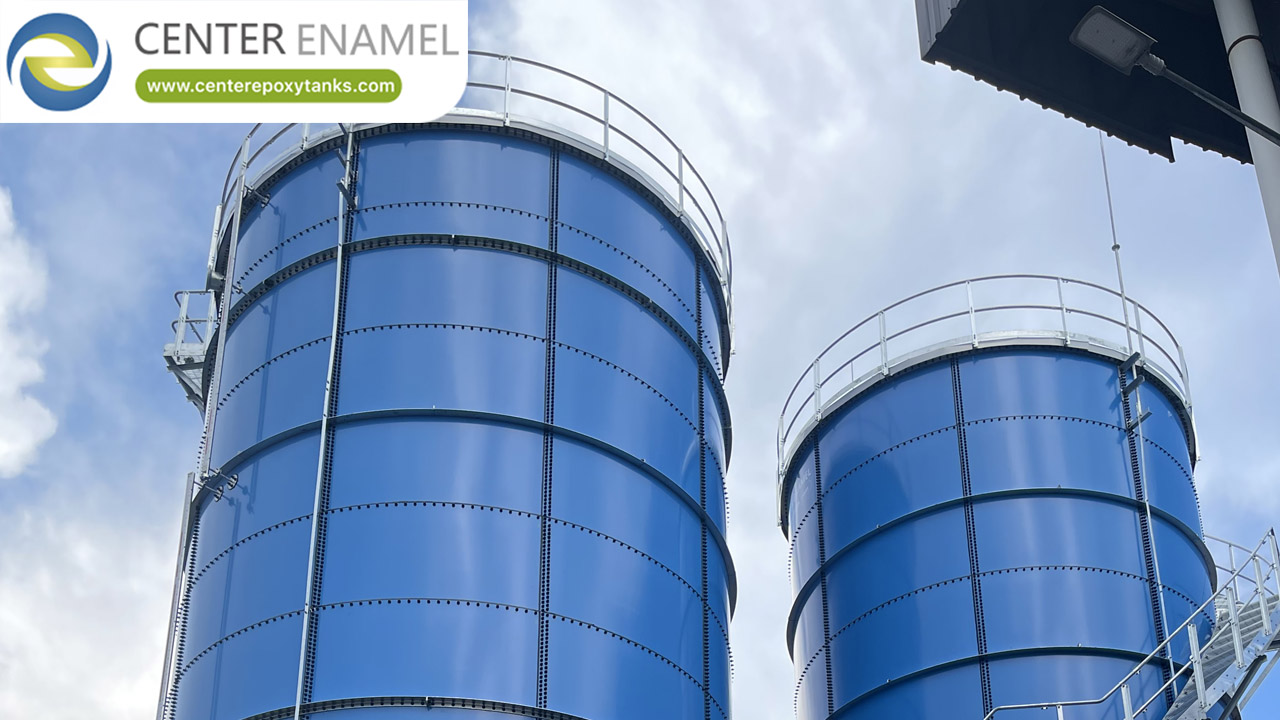
What is a Corn Storage Silo? Design, Function, and Commercial Preservation
A corn storage silo is an engineered vertical cylindrical structure designed specifically to store bulk harvested corn (maize) safely, efficiently, and for extended periods. Because corn features a high starch and carbohydrate content that makes it particularly vulnerable to moisture absorption, mold growth, and insect infestation, specialized containment infrastructure is critical.
Modern steel corn silos provide a secure, climate-controlled environment equipped with automated aeration and thermal monitoring systems. By protecting grain grading quality and preventing post-harvest waste, corn silos serve as vital assets for commercial farms, animal feed manufacturing plants, and regional grain elevators.
How Corn Storage Silos Work
Preserving bulk corn inside a tall steel silo requires careful management of internal storage dynamics to prevent spoilage and heating:
Loading: Harvested corn is transported via bucket elevators or enclosed belt conveyors to the top of the silo, where a central filling spout distributes the grain evenly across the interior cross-section to maintain structural balance.
Active Aeration and Drying: Because corn must be kept at strict moisture levels, integrated floor aeration ducts push conditioned, dry air upward through the grain mass. This stabilizes core temperatures and eliminates humidity pockets that trigger microbial growth.
Real-Time Thermal Monitoring: Digital temperature-sensing cables suspended throughout the silo track thermal conditions continuously, alerting operators instantly to any potential hot spots or insect activity.
Controlled Discharge: When ready for processing, milling, or transport, the corn is extracted via gravity flow or mechanical sweep systems and routed directly to processing lines or transport vehicles.
Primary Types of Corn Storage Silos
Depending on the scale of the facility and the operational workflow, corn silos are divided into two main structural categories:
1. Flat-Bottom Corn Silos
Design: Built directly onto heavy-duty reinforced concrete foundation slabs for massive, long-term bulk storage.
Unloading Mechanism: Utilizes central gravity flow combined with rotating mechanical sweep augers to clear remaining corn along the floor.
Application: Ideal for large commercial grain elevators, major milling plants, and port export terminals holding thousands of tons of corn.
2. Hopper-Bottom Corn Silos
Design: Features a sloped conical steel base supported by heavy structural steel support legs.
Unloading Mechanism: Enables 100% gravity-assisted discharge without requiring sweep augers or manual cleanout.
Application: Perfect for high-turnover operations, animal feed mills, and daily batch loading where rapid unloading is required.
Technical Specifications & Corn Silo Parameters
The data table below outlines the core engineering parameters and operational specifications of modern steel corn storage systems:
Technical Parameter | Specification / Design Standard | Operational Impact |
Material Construction | Corrugated galvanized steel sheets | High structural strength and durability against environmental weathering. |
Safe Storage Moisture | Corn dried to 13% - 15% moisture content | Prevents respiration heating, microbial spoilage, and mycotoxin growth. |
Aeration Airflow Rate | Engineered CFM per bushel / m^h.t | Continuously cools the corn mass and prevents moisture migration. |
Discharge Mechanism | Gravity flow or mechanical sweep / hopper cone | Ensures smooth material extraction without kernel damage. |
Sealing Standard | Airtight structural gaskets and weather vents | Blocks rain, humidity, rodents, and insects entirely. |
Key Benefits of Using Corn Silos
Investing in modern steel corn storage infrastructure offers substantial operational and financial advantages:
Drastic Reduction in Post-Harvest Losses: Hermetic sealing and active pest management reduce storage losses to a fraction of one percent, eliminating waste from rodent attacks and bird contamination.
Prevention of Mycotoxins: Automated aeration and temperature regulation prevent mold growth, protecting livestock from dangerous mycotoxins commonly associated with spoiled corn.
Strategic Market Timing: Silos provide farmers and grain merchants with the financial flexibility to hold harvested corn until market demand and pricing reach peak levels.
Frequently Asked Questions (FAQ)
Q: What is the main purpose of a corn storage silo?
A: A corn storage silo is designed to store bulk harvested corn safely over extended periods, protecting the grain from moisture, extreme weather, and pests while maintaining its commercial and nutritional quality.
Q: What is the safe moisture content for storing corn in a silo?
A: Corn should be dried to a safe moisture level of approximately 13% to 15% before being loaded into a silo to prevent respiration heating, mold growth, and spoilage.
Q: How do corn silos prevent the grain from heating up or molding?
A: Silos prevent spoilage through airtight structural design (blocking exterior humidity) and built-in automated aeration systems that force cool, dry air through the grain mass to regulate core temperatures and eliminate moisture pockets.
Q: What is the difference between a flat-bottom and hopper-bottom corn silo?
A: Flat-bottom silos rest on concrete slabs and offer massive capacity for long-term commercial storage, requiring sweep augers to unload. Hopper-bottom silos feature a sloped conical base for 100% gravity discharge, making them ideal for high-turnover facilities.


