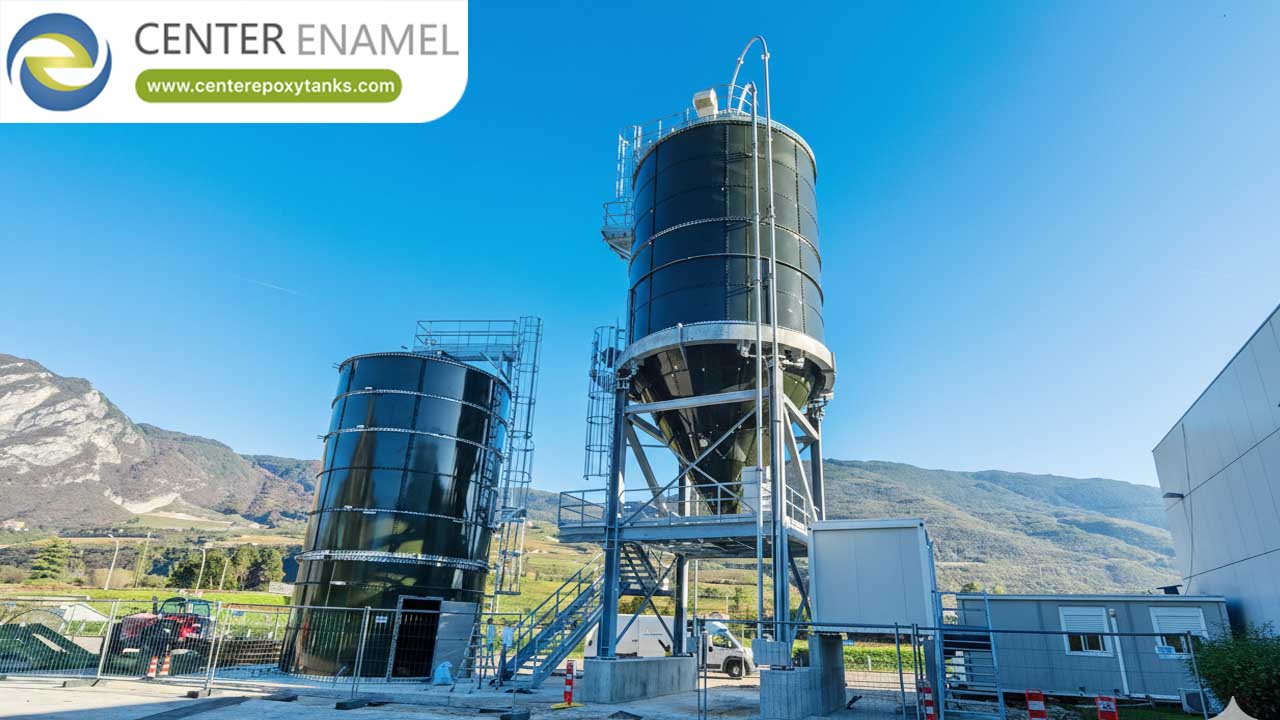
What is a Feed Storage Silo? Design, Function, and Agricultural Importance
A feed storage silo is a specially engineered vertical cylindrical structure designed to store bulk livestock feed—such as pellets, crumbles, grains, and mash—safely, hygienically, and efficiently. In modern animal husbandry, dairy farming, and poultry production, feed represents the single largest operational cost. Protecting this vital resource from moisture ingress, mold contamination, pest infestations, and nutritional degradation is critical for animal health and farm profitability.
Unlike traditional bagging or open-air storage systems, modern steel feed silos provide an airtight, controlled environment that keeps feed fresh, eliminates waste, and integrates seamlessly with automated feeding systems.
How Feed Storage Silos Work
The operational lifecycle of a feed storage silo balances secure containment with automated handling:
Pneumatic or Mechanical Filling: Feed is delivered via bulk feed trucks equipped with pneumatic blowing tubes or mechanical bucket elevators, transferring the material directly into the top filling hatch of the silo.
Sealed Preservation: The airtight structure—sealed with high-density gaskets and durable weather-resistant coatings—prevents external humidity, rain, and insects from entering the bin, avoiding moisture absorption and mold growth.
Gravitational Mass Flow Discharge: The lower portion of the silo features an engineered conical hopper base (typically angled at 45° or 60°) designed to promote smooth, uniform material outflow without bridging, arching, or stagnant zones.
Automated Conveyance: Discharged feed flows directly into augers, pneumatic tubes, or automated feeding lines that transport the feed straight to barns or troughs with minimal manual labor.
Technical Specifications & Silo Design Parameters
The data table below outlines the core engineering parameters, materials, and functional specifications of modern agricultural feed storage silos:
Technical Parameter | Specification / Design Standard | Operational Impact |
Material Construction | Corrugated galvanized steel sheets (high-tensile zinc coating) | Provides high structural strength and superior corrosion resistance against humid farm environments. |
Hopper Base Angle | 45° to 60° conical inclination | Ensures smooth mass flow and prevents feed powder or pellets from bridging or clinging to walls. |
Sealing & Gaskets | High-density polyethylene/rubber sealing tape | Maintains airtight integrity, keeping oxygen and humidity levels low to prevent mold and spoilage. |
Discharge Control | Slide gates, mechanical augers, or pneumatic boots | Connects directly to automated feeding systems for precise, labor-free distribution. |
Optional Enhancements | Feed sight glass, roof ventilation, side discharge kit | Allows external visual check of fill levels and prevents condensation buildup. |
Key Benefits of Using Feed Storage Silos
Transitioning from traditional bag storage to modern steel feed silos delivers significant economic and operational advantages for modern farming operations:
Elimination of Feed Waste and Spoilage: Hermetic sealing prevents rain, rodents, and birds from contaminating the feed, drastically reducing mold-induced mycotoxin risks that harm livestock health.
Maximized Space Efficiency: Vertical silo designs store massive tonnages of feed within a minimal ground footprint, freeing up valuable space on the farm.
Drastic Labor Reduction: Automated loading and unloading mechanisms eliminate the heavy manual lifting and tearing of feed bags, streamlining daily feeding routines.
Bulk Purchasing Economy: Farmers can purchase feed in large bulk quantities directly from manufacturers at lower wholesale rates rather than paying a premium for bagged products.
Frequently Asked Questions (FAQ)
Q: What is the main purpose of a feed storage silo?
A: A feed storage silo is designed to store bulk livestock feed—such as pellets, mash, and grains—safely in an airtight, protected environment that prevents moisture absorption, mold growth, pest infestation, and nutrient loss.
Q: How do feed silos prevent feed from bridging or clogging inside?
A: Feed silos utilize steep hopper angles (typically 45° or 60°) and smooth internal wall surfaces designed for mass flow, ensuring that feed flows downward smoothly without forming arches or getting stuck.
Q: Can feed silos be integrated with automated feeding systems?
A: Yes. Modern feed silos are specifically engineered to connect directly with mechanical augers, flexible screw conveyors, or pneumatic systems that automatically transport feed from the silo straight to the animal housing facilities.
Q: Why are galvanized steel silos preferred over traditional wooden or concrete bins?
A: Galvanized steel silos offer superior hygiene, resistance to moisture and pests, a lower installation cost, and exceptional durability, preventing the splintering or microbial contamination common in older storage methods.


