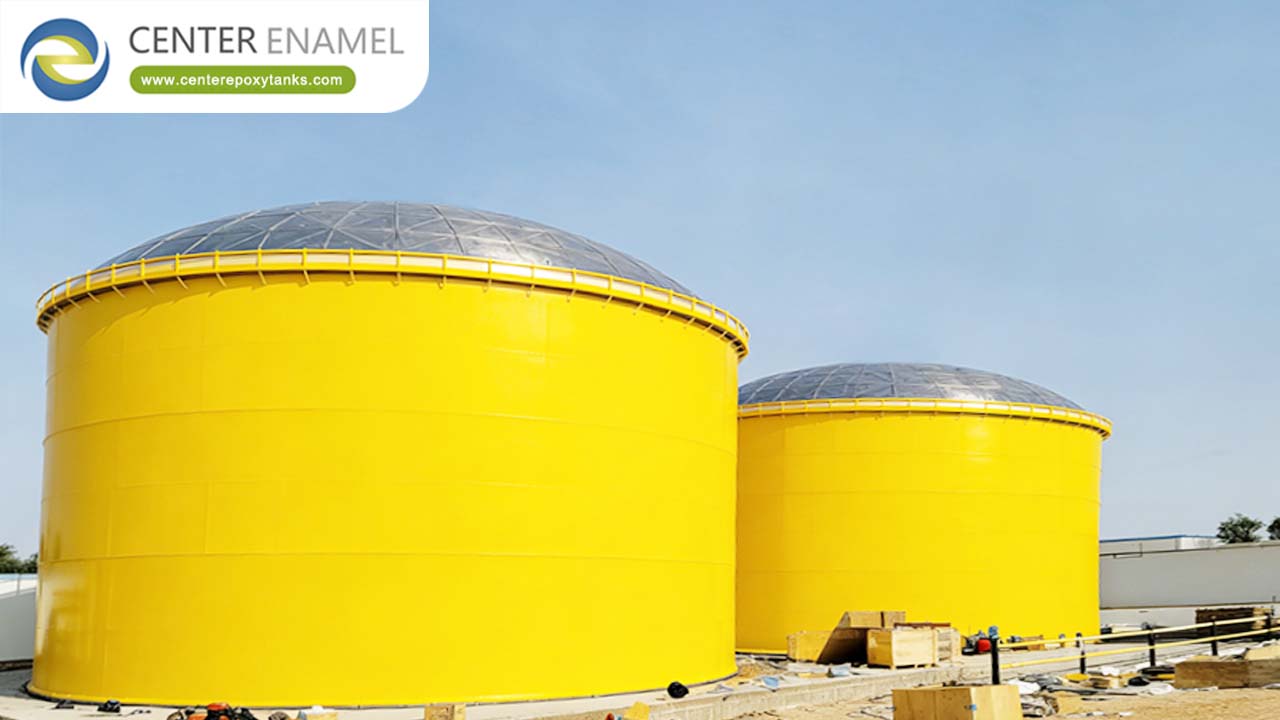
What Is a Welded Steel Slurry Storage Tank? Engineering Guide to Heavy-Duty Abrasive Containment
In heavy industries such as mining, mineral processing, aggregate washing, and municipal wastewater treatment, handling thick, high-density mixtures of liquids and suspended solids is a daily operational reality. Known as slurry, these abrasive and viscous fluids present severe engineering challenges. Standard storage containers quickly fail under the constant scouring action of suspended solids and chemical corrosion.
To withstand these harsh environments, industries rely on welded steel slurry storage tanks. A welded steel slurry storage tank is a heavy-duty, monolithic aboveground vertical container fabricated from high-strength carbon or stainless steel plates, joined together through continuous, high-precision welding processes. Designed to store, thicken, or buffer abrasive fluid mixtures, these tanks provide the ultimate structural strength and leak-proof reliability required for 24/7 industrial operations.
Core Engineering and Structural Design Features
Unlike standard water or light chemical vessels, slurry tanks must endure severe physical stress, localized wear, and dynamic loading forces:
Monolithic Welded Seam Integrity: Fabricated using certified welding techniques like Submerged Arc Welding (SAW), welded steel tanks eliminate joints or gaskets that could catch abrasive particles or develop microscopic leak pathways under pressure.
Abrasion-Resistant Linings and Metallurgy: Because mineral or wastewater slurries act like liquid sandpaper, welded tanks are often lined with specialized polymeric coatings, high-chrome wear plates, or constructed from corrosion-resistant alloys (such as 316L stainless steel) to protect the structural steel shell.
High-Torque Agitation and Mixing Integration: A slurry tank that is not actively mixed will rapidly settle, resulting in "sanding in" and catastrophic blockage. Welded steel tanks provide the superior structural rigidity required to mount heavy-duty, high-torque bridge-mounted mixers, triple-impeller agitators, and internal baffles.
Structural Load and Yield Stress Management: Slurries possess high specific gravities and complex yield stresses. Welded tanks are engineered with precise wall-thickness progressions (thicker plates at the base, thinner at the top) to manage immense hydrostatic pressure safely.
Data Table: Comprehensive Comparison of Slurry Storage Technologies
Technical Parameter | Welded Steel Slurry Tanks | Bolted Steel Slurry Tanks | Concrete Slurry Basins |
Structural Integrity | Monolithic, continuous welded shell; zero-joint leak risk | Modular panel assembly relying on gaskets and bolts | Heavy monolithic structure prone to micro-cracking over time |
Abrasion & Solid Handling | Excellent; easily accommodates heavy-duty internal wear plates and thick linings | Good; though joints require careful gasket compatibility | High abrasion wear requires periodic shotcrete resurfacing |
Agitation & Vibration Support | Exceptionally high rigidity for mounting high-torque motor bridges and mixers | Moderate; requires specialized bracket engineering for heavy loads | High rigidity, but difficult to modify or anchor new equipment post-pour |
Governing Standards | API 650, AWWA D100, ASME Section IX | AWWA D103, ISO 28765 | ACI Building Codes |
Installation & Erection | Factory-fabricated panels or precision field-erected welding | Rapid modular panel bolting | Multi-month on-site concrete pouring and curing phases |
Key Industrial Applications
Welded steel slurry storage tanks serve as critical processing hubs across multiple sectors:
Mining and Mineral Extraction: Storing flotation feed, mineral concentrates, tailings slurry, and process water in gold, copper, and lithium processing circuits.
Municipal and Industrial Wastewater Sludge: Containing heavy primary and secondary biological sludges prior to dewatering and digestion.
Chemical and Aggregate Processing: Managing lime slurry, precipitated calcium carbonate, and heavy aggregate wash water.
Frequently Asked Questions (FAQ)
Q: What is a welded steel slurry storage tank?
A: A welded steel slurry storage tank is a heavy-duty, monolithic aboveground vessel built from steel plates joined by continuous structural welding, designed specifically to store abrasive, high-density mixtures of liquids and suspended solids.
Q: Why is welded steel preferred over bolted tanks for heavy abrasive slurries?
A: Welded steel tanks provide a seamless, monolithic interior envelope that eliminates internal joints, bolt heads, and gasket edges where abrasive solid particles can catch, cause localized wear, or induce leakage under high-pressure agitation.
Q: How do welded slurry tanks prevent premature wear from abrasive solids?
A: They are engineered using heavy-gauge carbon steel plates combined with specialized abrasion-resistant internal linings, spray-applied polymers, or high-chrome wear-resistant plates in high-impact zones.
Q: Can welded steel slurry tanks support heavy industrial mixers?
A: Yes. The rigid structural framing and continuous welded shell of these tanks provide the exceptional load-bearing strength needed to mount high-torque mixers, agitators, and access bridges safely.


