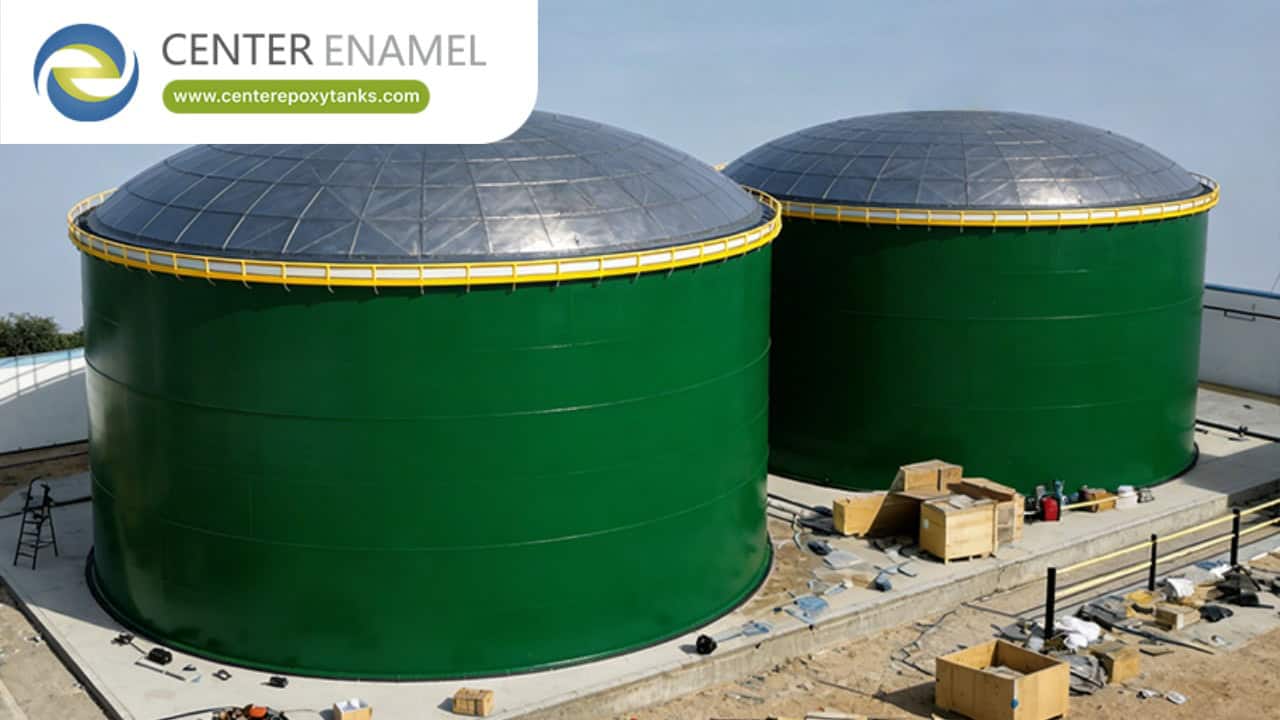
What Is a Thermal Energy Storage Tank? Principles, Technologies, and Industrial Applications
As global industries and commercial facilities accelerate efforts to improve energy efficiency, reduce carbon emissions, and optimize electrical grid usage, managing thermal energy has become a top priority. A critical solution in modern mechanical engineering is the thermal energy storage (TES) tank.
A thermal energy storage tank is a specialized industrial vessel designed to store thermal energy—either in the form of chilled water, hot water, ice, or molten salts—for later use in heating, cooling, or industrial power generation. By decoupling the time of energy generation from the time of actual consumption, TES tanks allow facilities to lower operational costs, reduce peak electrical demand, and integrate renewable energy sources seamlessly.
1. Core Operating Principles: Sensible vs. Latent Heat Storage
Thermal energy storage tanks operate on two primary thermodynamic principles, depending on the phase of the storage medium:
Sensible Heat Storage: The most common and traditional method, where thermal energy is stored by raising or lowering the temperature of a liquid medium (typically water or specialized heat-transfer fluids) without changing its phase. Water is favored due to its high specific heat capacity. In stratified chilled water tanks, cold water is maintained at the bottom and warm water at the top, separated by natural density differences.
Latent Heat Storage: Utilizes Phase Change Materials (PCMs) or ice storage. When energy is added or removed, the storage medium undergoes a phase transition (such as water freezing into ice). This allows massive amounts of thermal energy to be stored in a much smaller physical volume compared to sensible heat systems.
2. Primary Types of Thermal Energy Storage Systems
Depending on the operational temperature requirements of the facility, TES systems are categorized into distinct configurations:
A. Chilled Water Stratified Storage Tanks
Widely utilized in large commercial buildings, district cooling networks, and data centers, these massive atmospheric steel or concrete tanks store chilled water produced during off-peak nighttime hours (when electricity rates are lowest). During peak daytime cooling hours, the cold water is pumped directly into the facility's HVAC cooling coils.
B. Ice Thermal Storage Systems
When physical space is restricted, ice storage tanks freeze water onto internal heat exchanger coils during off-peak hours. Melting the ice during peak daytime hours delivers high-density cooling capacity, significantly shrinking the required footprint of the storage vessel.
C. High-Temperature Molten Salt TES Tanks
Deployed in concentrated solar power (CSP) plants and heavy industrial waste heat recovery systems, these insulated carbon or stainless steel tanks store molten nitrate salts at temperatures exceeding 500°C (932°F), driving steam turbines to generate electricity long after the sun has set.
Data Table: Thermal Energy Storage Tank Technologies Comparison
TES Technology | Storage Medium | Operational Temperature Range | Primary Industrial Application | Governing Standards |
Chilled Water Stratified | Liquid Water | 4°C to 7°C (39°F to 45°F) | District cooling, data centers, large commercial HVAC | ASHRAE, API 650 / AWWA |
Ice Thermal Storage | Water / Ice Slurry | 0°C (32°F) | Space cooling with restricted footprint, peak shaving | AHRI, ASHRAE |
Molten Salt Storage | Nitrate Salt Blends | 260°C to 565°C (500°F to 1050°F) | Concentrated Solar Power (CSP), industrial waste heat recovery | ASME Section VIII |
3. Key Economic and Environmental Benefits
Integrating thermal energy storage tanks into commercial and industrial infrastructure yields profound operational advantages:
Peak Load Shifting: Facilities avoid high daytime utility pricing by shifting energy-intensive chiller or heater operations to off-peak nighttime hours.
Reduced Equipment Sizing: Because peak thermal loads are absorbed by the storage tank, facilities can install smaller, more consistently running chillers and boilers, reducing capital equipment expenditures.
Frequently Asked Questions (FAQ)
Q: What is a thermal energy storage tank?
A: A thermal energy storage tank is an industrial vessel designed to store heating or cooling energy (as chilled water, ice, hot water, or molten salt) for use at a later time, helping to optimize energy consumption and manage peak electrical loads.
Q: How does a stratified chilled water TES tank work?
A: A stratified chilled water tank leverages the density difference between cold water (which is heavier and settles at the bottom) and warm water (which rises to the top) within a single vessel, maintaining a stable thermal boundary layer without physical barriers.
Q: What are the main advantages of using thermal energy storage?
A: Key benefits include significant energy cost savings through peak load shifting, reduced capital sizing for heating and cooling equipment, and improved integration with renewable energy sources.
Q: What engineering standards govern thermal energy storage tanks?
A: Design and fabrication are guided by mechanical engineering standards such as ASHRAE guidelines for thermal storage system design and structural codes like API 650 or ASME Section VIII depending on operating pressures.


