What Is a Molten-Salt Energy Storage Tank? Design, Operations, and Industrial Applications
As global energy infrastructure transitions toward decarbonization and heavy industries seek reliable options for process heat, dispatchable energy storage has become a core engineering frontier. Among thermal energy storage (TES) technologies, molten-salt energy storage tanks represent the commercial benchmark for utility-scale solar thermal power plants and high-temperature industrial decarbonization.
A molten-salt energy storage tank is an extensively insulated, heavy-gauge metal vessel designed to contain anhydrous liquid salt mixtures (typically solar salt blends of sodium nitrate and potassium nitrate) at extreme operating temperatures, often ranging from 290°C to 565°C (554°F to 1050°F). By storing excess thermal energy gathered from concentrating solar power (CSP) fields or industrial waste heat streams, these tanks provide continuous electricity and process steam long after sunlight fades or generation ceases.
1. Core Operating Principles and System Configurations
Molten salts serve a dual purpose in these systems: they function simultaneously as the heat transfer fluid (HTF) and the direct thermal storage medium. To manage this thermal capacity, engineering designs generally follow two primary layouts:
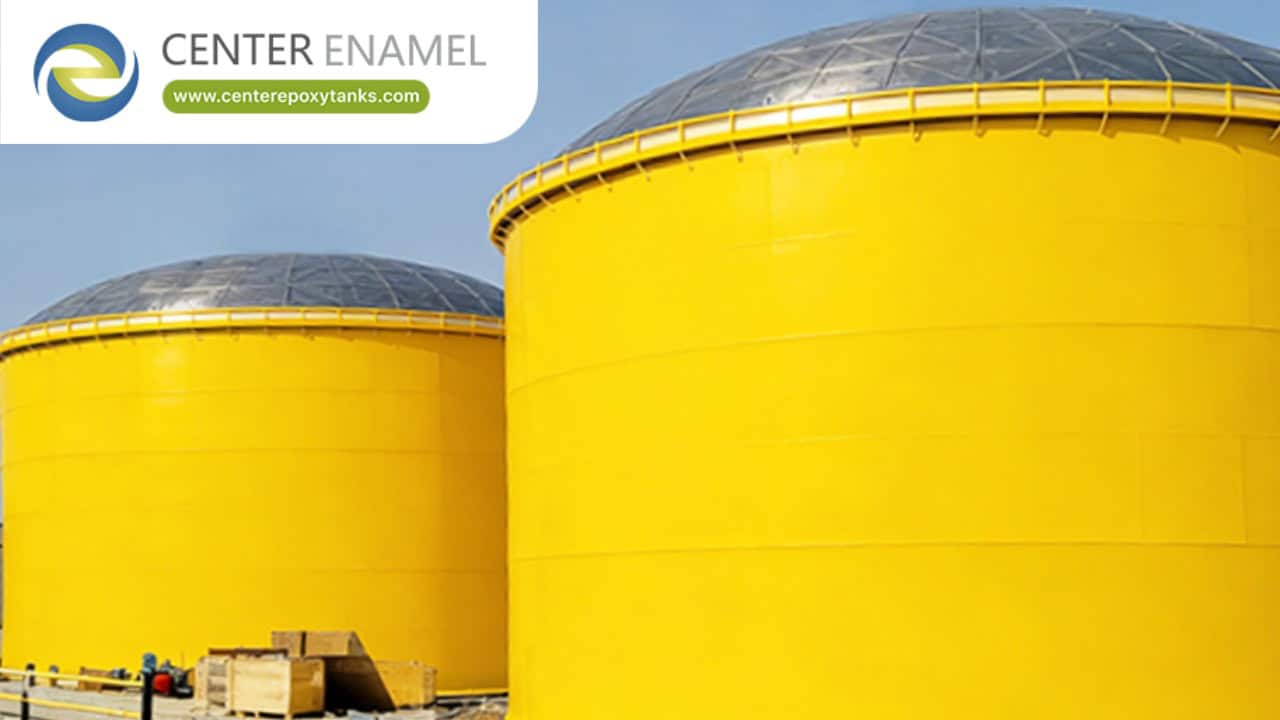
Dual-Tank Storage Systems (Hot and Cold Tanks): The industry standard configuration utilizes two physically separate flat-bottom steel tanks. The cold tank stores salt at roughly 290°C. During charging, salt is pumped through a heat exchanger or electric heater, heated to approximately 565°C, and routed into the hot tank. During discharge, hot salt is withdrawn to generate high-pressure steam for power turbines.
Single-Tank Thermocline Systems: An emerging cost-optimized architecture that houses both hot and cold salt within a single vessel. Leveraging natural density stratification (hot salt floating above cold salt), a stable thermal boundary layer (thermocline) separates the zones, though managing transient thermal gradients requires advanced structural engineering.
2. High-Temperature Engineering and Structural Standards
Designing tanks for molten salt requires navigating severe thermal cycling, differential expansion, and material creep that standard atmospheric vessels do not experience:
Advanced Metallurgy: Tanks are constructed using heat-resistant carbon or stainless steels (such as SA-516 Grade 70 or specialized austenitic grades) capable of retaining structural integrity at elevated temperatures without rapid oxidation or structural degradation.
Governing Codes and Compliance: While traditional atmospheric designs often reference structural principles from API 650, high-temperature molten salt systems require specialized engineering governed by modern safety frameworks like ASME TES-1 (Safety Standard for Thermal Energy Storage Systems: Molten Salt).
Data Table: Molten-Salt Tank Design Configurations Matrix
Design Parameter | Dual-Tank System (Hot & Cold Tanks) | Single-Tank Thermocline System |
System Architecture | Two separate tanks maintained at constant high and low temperatures | One combined vessel featuring a transient vertical temperature gradient |
Operating Temperature Span | 290°C to 565°C (Constant temperature profiles) | 290°C at base to 565°C at crown (Stratified thermocline zone) |
Capital Investment Cost | Higher (Requires two large tanks, extensive piping, and dual foundations) | Lower (Reduces structural footprint and salt volume requirements) |
Thermal Fatigue Risk | Lower localized shell stress due to homogeneous temperature profiles | Higher susceptibility to thermal bending stresses along the shell height |
Primary Industrial Use | Commercial CSP plants and large grid-scale power generation | Advanced modular industrial heat storage and pilot facilities |
Frequently Asked Questions (FAQ)
Q: What is a molten-salt energy storage tank?
A: A molten-salt energy storage tank is an insulated industrial vessel that stores thermal energy in the form of liquid nitrate salt blends at high temperatures, allowing facilities to dispatch electricity or process heat on demand.
Q: Why are two tanks typically used in molten salt storage systems?
A: Dual-tank systems separate hot salt (ready for power generation) from cold salt (waiting to be reheated) into dedicated vessels, ensuring steady, uniform temperature profiles and reliable thermal management.
Q: What temperatures do molten-salt storage tanks operate at?
A: Standard commercial systems utilizing solar nitrate salt blends typically operate between 290°C (554°F) in the cold state and up to 565°C (1050°F) in the hot state.
Q: What engineering standards govern molten-salt thermal energy storage tanks?
A: Design and safety requirements are governed by specialized frameworks such as ASME TES-1, alongside foundational mechanical and structural codes adapted for high-temperature service.


