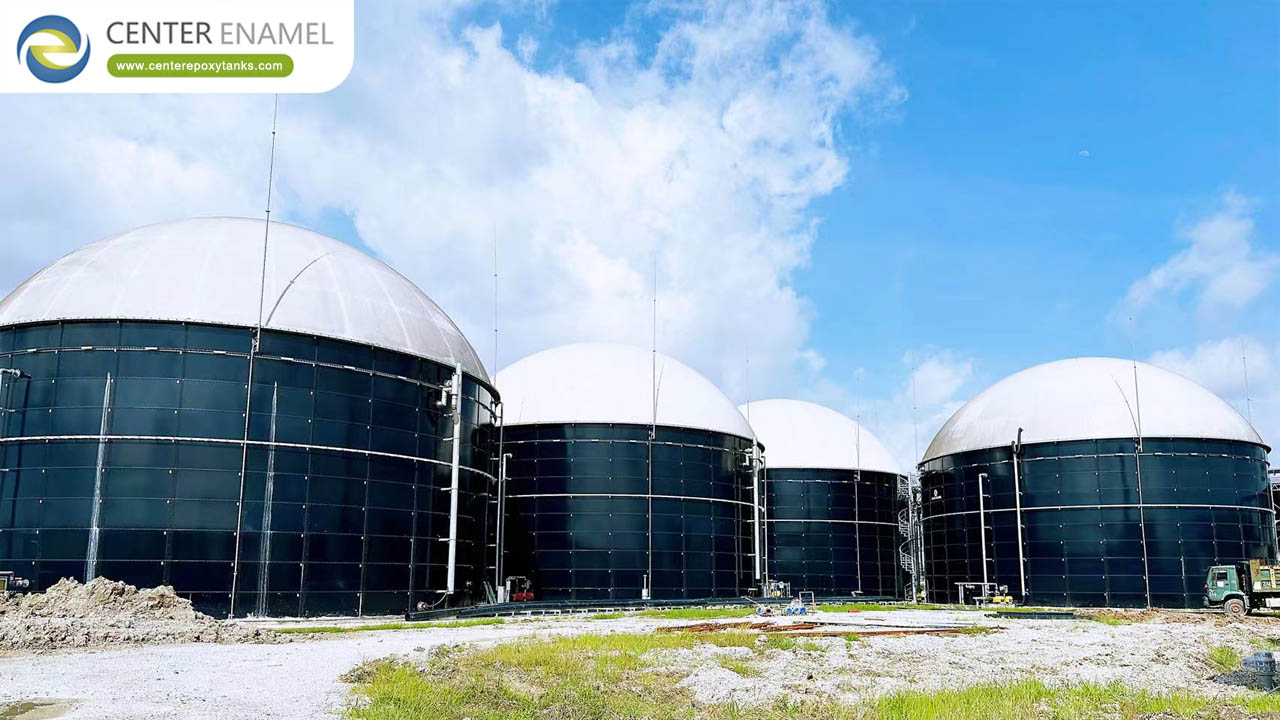
What Are Digesters and Clarifiers? Core Infrastructure, Operational Mechanics, and Wastewater Treatment Standards
In municipal and industrial wastewater treatment plants (WWTPs), managing the continuous influx of contaminated water and solid waste requires robust, highly engineered systems. Among the most critical components of this infrastructure are clarifiers and digesters.
While they operate at completely different stages of the treatment cycle, clarifiers and digesters work in tandem: clarifiers physically separate suspended solids from liquid wastewater, while digesters biologically break down and stabilize those accumulated solids into manageable biosolids and renewable energy. Mastering the design, engineering, and operational interplay between these massive tanks is essential for modern plant efficiency and environmental compliance.
1. Clarifiers: The Mechanics of Solid-Liquid Separation
A clarifier (also known as a sedimentation tank or settler) is a large circular or rectangular basin designed to separate settleable suspended solids from liquid wastewater via gravity under quiescent conditions.
Primary Clarifiers: Located downstream of the plant headworks, primary clarifiers remove heavy settleable solids and skim floatable oils, grease, and scum from raw wastewater before biological treatment.
Secondary Clarifiers: Positioned after biological treatment reactors (such as activated sludge aeration basins), secondary clarifiers separate microbial biomass (activated sludge) from the treated effluent. A portion of this settled biomass is returned to the aeration basin (Return Activated Sludge - RAS), while excess biomass (Waste Activated Sludge - WAS) is sent to solids handling facilities.
2. Digesters: Biological Stabilization and Sludge Management
Once solids are extracted by clarifiers, they form a thick, organic-rich slurry (sludge) that cannot be safely disposed of without treatment. Digesters are enclosed tanks designed to stabilize this sludge through biological decomposition.
Anaerobic Digesters: Operating in the absence of free oxygen in heated, sealed concrete or steel tanks, anaerobic bacteria break down complex organic compounds into methane-rich biogas and inert, nutrient-rich biosolids. This biogas is frequently captured and utilized on-site for combined heat and power (CHP) generation.
Aerobic Digesters: Utilizing injected oxygen, aerobic digesters stabilize waste activated sludge through endogenous respiration, reducing pathogen levels and volatile solids in smaller municipal installations.
Data Table: Comparison Matrix of Clarifiers vs. Digesters
Engineering Parameter | Clarifiers (Sedimentation Tanks) | Digesters (Sludge Stabilization Tanks) |
Primary Operational Purpose | Solid-liquid separation via gravity settling | Biological stabilization of organic solid waste |
Position in Treatment Flow | Headworks (Primary) or post-aeration (Secondary) | Downstream solids handling train |
Internal Environment | Quiescent, open-to-atmosphere basins with gentle scraper arms | Sealed, heated anaerobic or aerated vessels |
Key Mechanical Outputs | Clarified liquid effluent (top) and thickened sludge (bottom) | Stabilized biosolids and renewable biogas (methane) |
Governing Design Guidelines | Surface Overflow Rate (SOR), Hydraulic Detention Time | Volatile solids loading rate, solids retention time (SRT) |
3. The Interdependent Workflow
The operational success of a wastewater treatment facility depends heavily on how well clarifiers and digesters communicate:
Mass Balance: Inconsistent sludge removal from secondary clarifiers can shock anaerobic digesters with sudden surges of volatile organic loads, disrupting gas production.
Sidestream Return: Liquid byproducts (supernatant and dewatering filtrates) returned from digesters back to the plant headworks contain high concentrations of nitrogen and phosphorus, requiring careful hydraulic modeling to prevent secondary treatment upsets.
Frequently Asked Questions (FAQ)
Q: What is the primary difference between a clarifier and a digester?
A: A clarifier is a settling tank used to physically separate suspended solids from liquid wastewater using gravity, whereas a digester is an enclosed vessel used to biologically break down and stabilize those concentrated solids.
Q: What is the role of primary vs. secondary clarifiers?
A: Primary clarifiers remove raw settleable solids and scum from incoming wastewater, while secondary clarifiers separate biological biomass (activated sludge) from treated effluent after biological treatment processes.
Q: How do anaerobic digesters generate energy?
A: Anaerobic digesters break down organic sludge in an oxygen-free environment using specialized microorganisms, producing methane-rich biogas that can be captured and burned to generate heat and electricity for the treatment plant.
Q: Why is sludge management between clarifiers and digesters critical?
A: Sudden changes in the volume, concentration, or organic content of sludge pumped from clarifiers into digesters can cause biological process upsets, leading to foaming, volatile acid accumulation, or digester failure.


