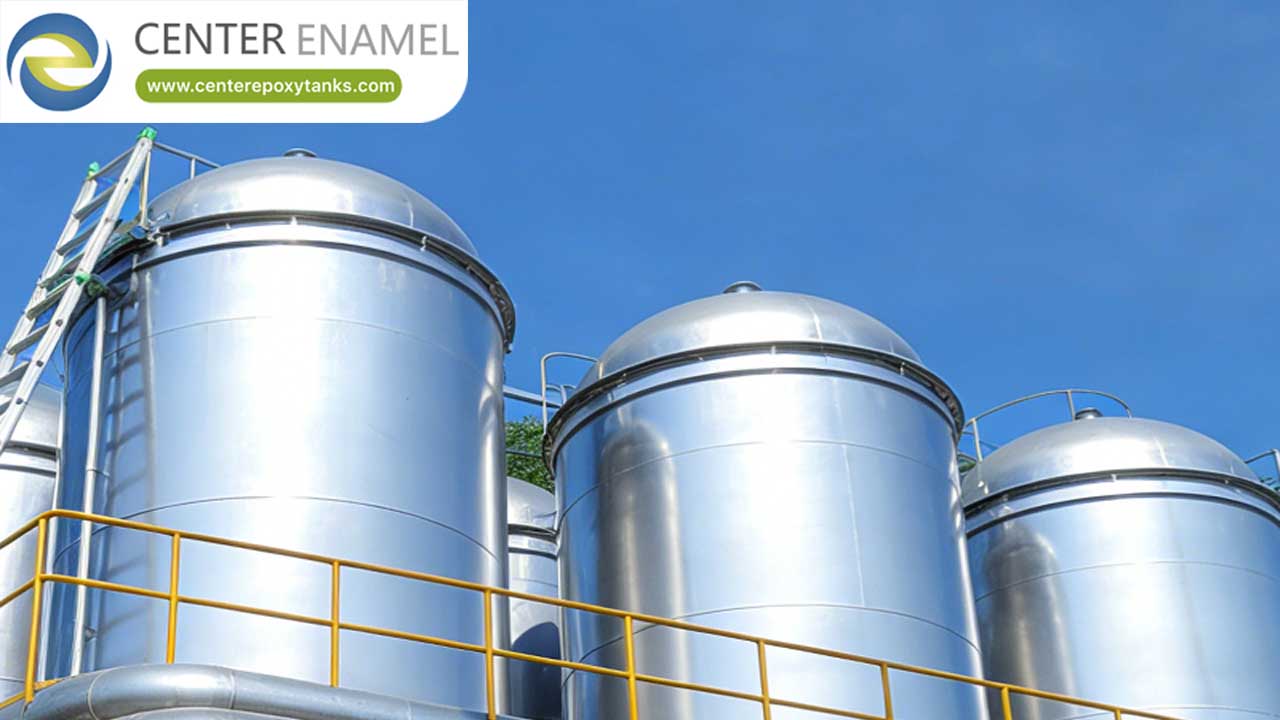
Chemical Storage Tanks for Olefins Plants: Engineering, Containment Technologies, and Safety Standards
In modern petrochemical manufacturing, olefins plants (steam crackers producing primary light olefins such as ethylene, propylene, and butadiene) serve as the vital building blocks for global plastics, synthetic rubbers, and chemical derivatives. Because olefins and their intermediate process streams are highly volatile, flammable, and reactive, containment infrastructure must adhere to the most rigorous engineering standards in the process industries.
Chemical storage tanks for olefins plants encompass a specialized array of atmospheric, pressurized, and cryogenic storage vessels designed to safely buffer feedstocks, reaction intermediates, and high-purity final products across complex continuous-flow manufacturing trains.
1. Core Process Roles of Storage Tanks in an Olefins Facility
An olefins plant operates on an integrated continuous basis, but storage tanks are indispensable for maintaining operational stability, managing downstream supply chain fluctuations, and handling plant turnarounds:
Feedstock Buffering: Storing raw hydrocarbon inputs (such as naphtha, ethane, or propane) prior to steam cracking furnaces.
Intermediate Containment: Holding cracked gas fractions, acid gas scrubbing byproducts, and chemical treatment agents (such as caustic soda) before downstream fractionation and purification.
Product Storage: Managing high-purity liquid ethylene, propylene, and butadiene under controlled cryogenic or pressurized conditions prior to pipeline transfer or marine vessel loading.
2. Specialized Tank Designs for Olefins Plant Streams
Depending on the vapor pressure and chemical properties of the stored fluid, olefins plant storage relies on three distinct vessel configurations:
A. Cryogenic Storage Vessels (Ethylene and Propylene)
Because light olefins like ethylene boil at extremely low temperatures (-103.7°C at atmospheric pressure), they cannot be stored as liquids at ambient temperatures without massive pressures.
B. Pressurized Spherical and Cylindrical Tanks (Butadiene and Propane)
For liquefied petroleum gases (LPGs) and reactive intermediates like 1,3-butadiene that have moderate vapor pressures at ambient temperatures, pressurized storage is required.
C. Atmospheric Welded Storage Tanks (Chemical Additives and Spent Caustics)
Utilized for non-volatile liquids, water treatment chemicals, and scrubbing byproducts. These vessels follow standard petroleum and chemical codes with specialized internal linings to resist chemical attack.
Data Table: Olefins Plant Chemical Storage Tank Matrix
Stored Medium | Primary Tank Configuration | Operating Conditions | Governing Standards |
Liquid Ethylene | Double-wall cryogenic flat-bottom tank | -104°C (-155°F) at atmospheric pressure | API 620 / ASME Section VIII |
Liquid Propylene | Pressurized bullet or spherical vessel / Refrigerated tank | Ambient pressure with refrigeration or moderate pressure | ASME Section VIII Div. 1 or 2 |
1,3-Butadiene | Pressurized spherical tank with oxygen-scavenging / inhibitor monitoring | Ambient temperature under vapor pressure | ASME Section VIII / NFPA |
Spent Caustic / Acids | Atmospheric vertical cylindrical tank with specialized lining | Ambient temperature, atmospheric pressure | API 650 / ASTM standards |
3. Critical Safety, Materials, and Environmental Compliance
Given the high hazard ranking of petrochemical olefins, storage facilities incorporate advanced safety architecture:
Materials Selection: Low-temperature toughness is paramount. Carbon steels experience ductile-to-brittle transition at sub-zero temperatures, making austenitic stainless steels or 9% nickel steels mandatory for cryogenic service.
Overpressure and Flare Protection: Cryogenic boil-off gas (BOG) compressors, emergency relief valves, and dedicated flare headers prevent catastrophic overpressure during thermal runaway or utility failure events.
Frequently Asked Questions (FAQ)
Q: Why are cryogenic storage tanks required for ethylene in an olefins plant?
A: Ethylene has a very low boiling point (-104°C at atmospheric pressure). Storing it cryogenically eliminates the need for excessively thick, heavy-walled pressure vessels, allowing for safe, high-capacity bulk containment.
Q: What is the difference between API 620 and API 650 storage tanks in petrochemical plants?
A: API 650 governs welded tanks for atmospheric service (up to 2.5 psig), while API 620 governs large, welded low-pressure storage tanks operating at internal pressures up to 15 psig and cryogenic temperatures.
Q: Why are spherical tanks frequently used for storing butadiene and propylene in olefins plants?
A: Spherical vessels distribute internal pressure equally across the entire surface of the shell, making them the most structurally efficient and economical geometry for storing moderate-pressure liquefied gases.
Q: What materials are used to construct low-temperature ethylene storage tanks?
A: Inner tanks are constructed using materials with high impact toughness at cryogenic temperatures, primarily 9% nickel steel or austenitic stainless steels, enclosed within an insulated outer carbon steel shell.


