Chemical Storage Tanks for Polyethylene Plants: Design, Containment, and Material Standards
In modern polymer chemistry, the large-scale manufacturing of high-density polyethylene (HDPE), low-density polyethylene (LDPE), and linear low-density polyethylene (LLDPE) relies on continuous, highly controlled polymerization processes. Because these production trains handle volatile monomers, explosive hydrocarbon solvents, reactive organometallic catalysts, and complex chemical additives, the supporting tank farm is critical to overall plant safety and operational continuity.
Chemical storage tanks for polyethylene plants encompass a specialized mix of atmospheric, pressurized, and highly isolated vessels engineered to safely contain, buffer, and meter every non-gaseous raw material and intermediate fluid across the facility.
1. Critical Process Roles of Storage Tanks in Polyethylene Production
A polyethylene facility relies on a continuous feed of primary ingredients. Storage tanks provide the necessary buffer between external supply logistics and internal reaction loops:
Comonomer Storage: To control polymer density and molecular chain structures, alpha-olefin comonomers (such as 1-butene, 1-hexene, and 1-octene) are stored in bulk quantities prior to being injected into slurry or gas-phase reactors.
Solvent and Diluent Containment: Solution and slurry polymerization processes utilize inert hydrocarbon diluents (such as hexane, heptane, or isobutane) to dissolve or suspend polymer particles. Large bulk tanks manage fresh and recovered solvent streams.
Catalyst Preparation and Metering: Ziegler-Natta, chromium, or metallocene catalysts, along with co-catalysts (like triethylaluminum), require specialized, moisture-free day tanks and mix vessels equipped with precise agitation and blanketing systems.
Additive and Stabilizer Storage: Antioxidants, slip agents, acid scavengers, and UV stabilizers are stored in liquid or slurry form to modify polymer performance during extrusion and pelletization.
2. Key Storage Tank Configurations by Process Stream
Depending on the physical state and chemical reactivity of the fluid, PE plant storage utilizes distinct engineering designs:
A. Pressurized Spheres and Bullets (Volatile Comonomers)
Light alpha-olefins and volatile hydrocarbons possessing moderate vapor pressures at ambient temperatures require pressurized containment. Horizontal bullet tanks or spherical vessels built to ASME Section VIII standards maintain these fluids in a liquid state without continuous mechanical refrigeration.
B. Atmospheric Vertical Cylindrical Tanks (Solvents and Additives)
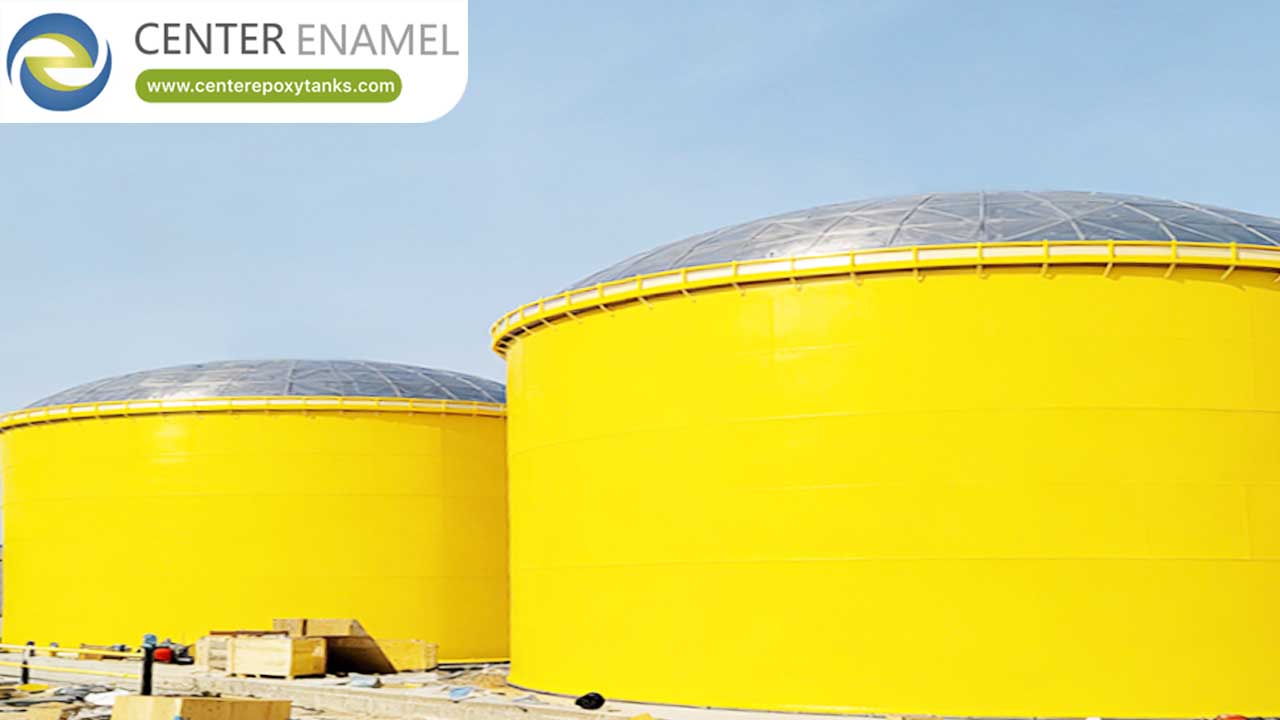
Inert hydrocarbon solvents and non-volatile liquid additives are stored in atmospheric vertical carbon steel or stainless steel tanks engineered in accordance with API 650 specifications. These tanks frequently incorporate internal floating roofs or blanketing systems to prevent vapor loss and atmospheric contamination.
C. Specialized Catalyst Mix and Day Tanks
Catalysts and co-catalysts are extremely sensitive to moisture and oxygen. They are stored in small, highly polished stainless steel day tanks featuring airtight seals, dry nitrogen padding, and dedicated cooling jackets to prevent thermal degradation or violent reactions.
Data Table: Polyethylene Plant Chemical Storage Tank Matrix
Stored Media Stream | Typical Chemical Composition | Tank Configuration Type | Operating Pressure & Temp | Governing Design Standards |
Comonomers | 1-Hexene, 1-Butene | Pressurized horizontal bullet or sphere | Moderate vapor pressure, ambient | ASME Section VIII Div. 1 |
Reaction Diluents / Solvents | Hexane, Isobutane, Heptane | Vertical cylindrical atmospheric tank | Atmospheric (up to 2.5 psig), ambient | API 650 / NFPA 30 |
Catalysts & Co-Catalysts | Organometallics, Ziegler-Natta/Metallocene slurries | Sealed stainless steel day/mix tank | Low pressure with dry nitrogen blanket | ASME Section VIII / OSHA PSM |
Liquid Additives | Antioxidants, slip agents, mineral oil | Vertical stainless steel storage tanks | Atmospheric, heated or ambient | API 650 / ASTM standards |
3. Safety, Material Compatibility, and Environmental Controls
Polyethylene manufacturing plants operate under strict process safety management (PSM) protocols due to the flammable nature of hydrocarbon feeds and catalysts:
Dry Nitrogen Blanketing: To eliminate moisture ingress—which deactivates catalysts and can react dangerously with co-catalysts—all solvent, comonomer, and catalyst tanks maintain a continuous positive-pressure blanket of ultra-pure dry nitrogen.
Static Grounding and Bonding: Because hydrocarbon solvents have low electrical conductivity, all storage tanks, piping manifolds, and internal mixing agitators are rigorously grounded and bonded to prevent electrostatic discharge ignition.
Corrosion Allowances and Linings: Spent caustic washes, acid catalysts, and chlorine-bearing residues require specialized corrosion-resistant alloys (such as 316L stainless steel) or interior protective phenolic epoxy linings.
Frequently Asked Questions (FAQ)
Q: What types of chemical storage tanks are used in a polyethylene plant?
A: Polyethylene plants use a combination of pressurized ASME spherical/bullet tanks for volatile comonomers, atmospheric API 650 vertical tanks for hydrocarbon solvents, and sealed stainless steel day tanks for sensitive catalysts and additives.
Q: Why is dry nitrogen blanketing critical for polyethylene catalyst tanks?
A: Organometallic catalysts and co-catalysts used in PE production react violently with moisture and oxygen. A continuous dry nitrogen blanket prevents water contamination, preserves catalyst activity, and eliminates fire hazards.
Q: What engineering standards govern solvent storage tanks in a PE facility?
A: Atmospheric solvent storage tanks are typically designed and constructed in accordance with API 650 and NFPA 30 (Flammable and Combustible Liquids Code) guidelines to ensure structural integrity and fire safety.
Q: How are comonomers like 1-hexene stored in an olefins and polyethylene complex?
A: Comonomers are stored under moderate pressure in horizontal bullet tanks or dedicated vertical pressure vessels equipped with closed-loop vapor recovery systems to prevent fugitive volatile organic compound (VOC) emissions.


