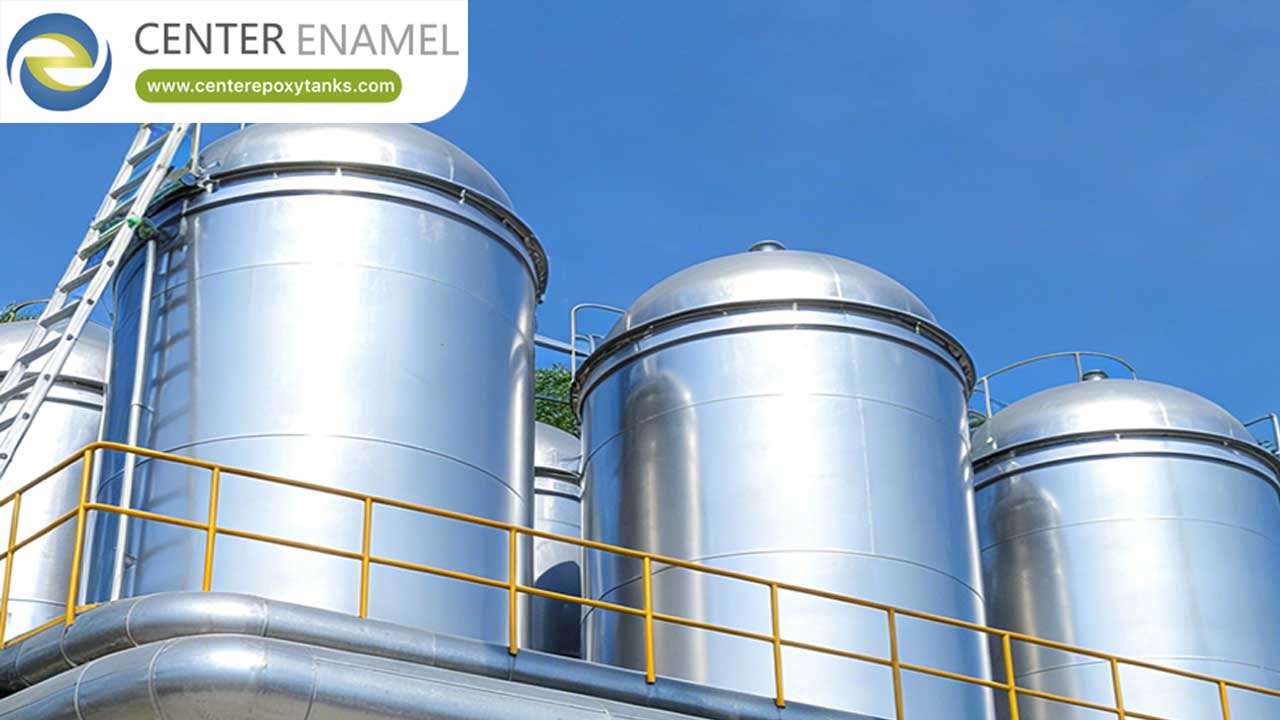
Chemical Storage Tanks for Polypropylene Plants: Design, Containment, and Material Standards
In global petrochemical manufacturing, polypropylene (PP) ranks as one of the most widely consumed thermoplastic polymers, utilized across automotive components, food packaging, medical equipment, and textiles. The commercial synthesis of polypropylene relies on continuous catalytic polymerization in slurry, bulk (liquid pool), or gas-phase reactor loops. Because these production trains process volatile hydrocarbon monomers, explosive solvents, and highly reactive organometallic catalysts, the supporting tank farm is vital to plant safety, environmental compliance, and continuous operational throughput.
Chemical storage tanks for polypropylene plants comprise a specialized array of pressurized spheres, cryogenic-adjacent vessels, atmospheric vertical tanks, and precision stainless steel day tanks engineered to safely contain and buffer every non-gaseous raw material, catalyst component, and chemical modifier across the facility.
1. Critical Process Roles of Storage Tanks in Polypropylene Production
A modern polypropylene facility requires an uninterrupted sequence of chemical inputs to maintain steady reactor conditions and control polymer chain microstructures:
Propylene Monomer Feedstock Buffering: High-purity liquid propylene monomer—sourced from fluid catalytic cracking (FCC) or propane dehydrogenation (PDH)—requires intermediate bulk storage to buffer supply chain variations prior to final poison-removal purification units.
Polymerization Solvent and Diluent Tanks: Slurry and solution PP processes utilize inert hydrocarbon diluents (such as hexane, heptane, or liquid propane/isobutane) to suspend or dissolve polymer chains. Large bulk tanks manage fresh makeup solvents as well as recovered solvent streams from downstream stripping units.
Catalyst Preparation and Co-Catalyst Storage: Stereospecific Ziegler-Natta or metallocene catalysts (alongside co-catalysts like triethylaluminum and external electron donors) are handled in specialized, moisture-isolated day tanks equipped with rigorous agitation and cooling jackets.
Additive and Modifier Storage: Antioxidants, acid scavengers, antistatic agents, and color masterbatches are stored in liquid or concentrated slurry form prior to being metered into the final post-reactor extrusion and pelletization lines.
2. Specialized Tank Design Configurations by Process Stream
Depending on the physical state and chemical reactivity of the fluid, polypropylene plant storage utilizes distinct engineering configurations:
A. Pressurized Spheres and Horizontal Bullets (Liquid Propylene)
Because propylene has a moderate vapor pressure at ambient temperatures, bulk monomer storage is predominantly housed in large ASME Section VIII pressurized spherical vessels or horizontal bullet tanks. These maintain the hydrocarbon in a liquid state without requiring extreme refrigeration.
B. Atmospheric Vertical Cylindrical Tanks (Solvents and Liquid Additives)
Inert hydrocarbon diluents and non-volatile liquid additives are stored in atmospheric vertical carbon steel or stainless steel tanks engineered in accordance with API 650 and NFPA 30 specifications. These tanks feature internal floating roofs or closed-loop vapor recovery headers to prevent fugitive emissions.
C. Sealed Stainless Steel Day Tanks (Catalyst Slurries)
Catalyst components are extremely sensitive to atmospheric moisture and oxygen, which cause immediate catalyst deactivation or violent exothermic side reactions. They are housed in highly polished 316L stainless steel day tanks featuring airtight gaskets and continuous dry nitrogen blankets.
Data Table: Polypropylene Plant Chemical Storage Tank Matrix
Stored Process Stream | Typical Chemical Composition | Tank Configuration Type | Operating Pressure & Temperature | Governing Design Standards |
Propylene Monomer | High-purity propene (C3H6) | Pressurized spherical tank or horizontal bullet | Moderate vapor pressure, ambient | ASME Section VIII Div. 1 or 2 |
Reaction Solvents / Diluents | Hexane, Heptane, Isobutane | Vertical cylindrical atmospheric tank | Atmospheric (up to 2.5 psig), ambient | API 650 / NFPA 30 |
Catalysts & Co-Catalysts | Ziegler-Natta / Metallocene slurries | Sealed stainless steel mix/day tank | Low pressure with dry nitrogen pad | ASME Section VIII / OSHA PSM |
Process Additives | Antioxidants, slip agents, stabilizers | Vertical stainless steel or lined tanks | Atmospheric, heated or ambient | API 650 / ASTM standards |
3. Safety, Material Compatibility, and Environmental Controls
Given the high hazard rating of petrochemical refining environments, polypropylene tank farms incorporate rigorous safety architecture:
Dry Nitrogen Blanketing Systems: To eliminate moisture ingress—which deactivates Ziegler-Natta catalysts and poses severe safety risks with aluminum alkyl co-catalysts—all catalyst and solvent tanks maintain a continuous positive-pressure blanket of ultra-pure dry nitrogen.
Static Grounding and Electrical Bonding: Because hydrocarbon solvents possess low electrical conductivity, all storage tanks, structural skirts, internal agitators, and piping manifolds are rigorously grounded and bonded to prevent electrostatic discharge ignition.
Corrosion Mitigation: Spent chemical washes, acid residues, and chlorine-bearing catalyst components require specialized metallurgy (such as austenitic stainless steels) or high-performance internal phenolic epoxy linings to prevent pitting and stress corrosion cracking.
Frequently Asked Questions (FAQ)
Q: What types of chemical storage tanks are utilized in a polypropylene plant?
A: Polypropylene plants use pressurized ASME spheres or bullet tanks for liquid propylene monomer, atmospheric API 650 vertical tanks for hydrocarbon solvents, and sealed stainless steel day tanks for sensitive catalyst components.
Q: Why is dry nitrogen blanketing essential for catalyst storage tanks in PP plants?
A: Ziegler-Natta and metallocene catalysts, along with aluminum alkyl co-catalysts, react violently with moisture and oxygen. A continuous dry nitrogen blanket prevents water contamination, preserves catalytic activity, and eliminates fire hazards.
Q: What engineering standards govern solvent storage tanks in a polypropylene facility?
A: Atmospheric solvent storage tanks are designed, fabricated, and operated in strict accordance with API 650 (for welded tanks) and NFPA 30 (Flammable and Combustible Liquids Code) to ensure structural integrity and fire safety.
Q: How is liquid propylene monomer stored before entering the polymerization reactor?
A: Liquid propylene is stored under moderate vapor pressure in large-capacity pressurized spherical vessels or horizontal bullet tanks designed to ASME Section VIII standards, allowing smooth, continuous feeding into purification and reaction loops.


