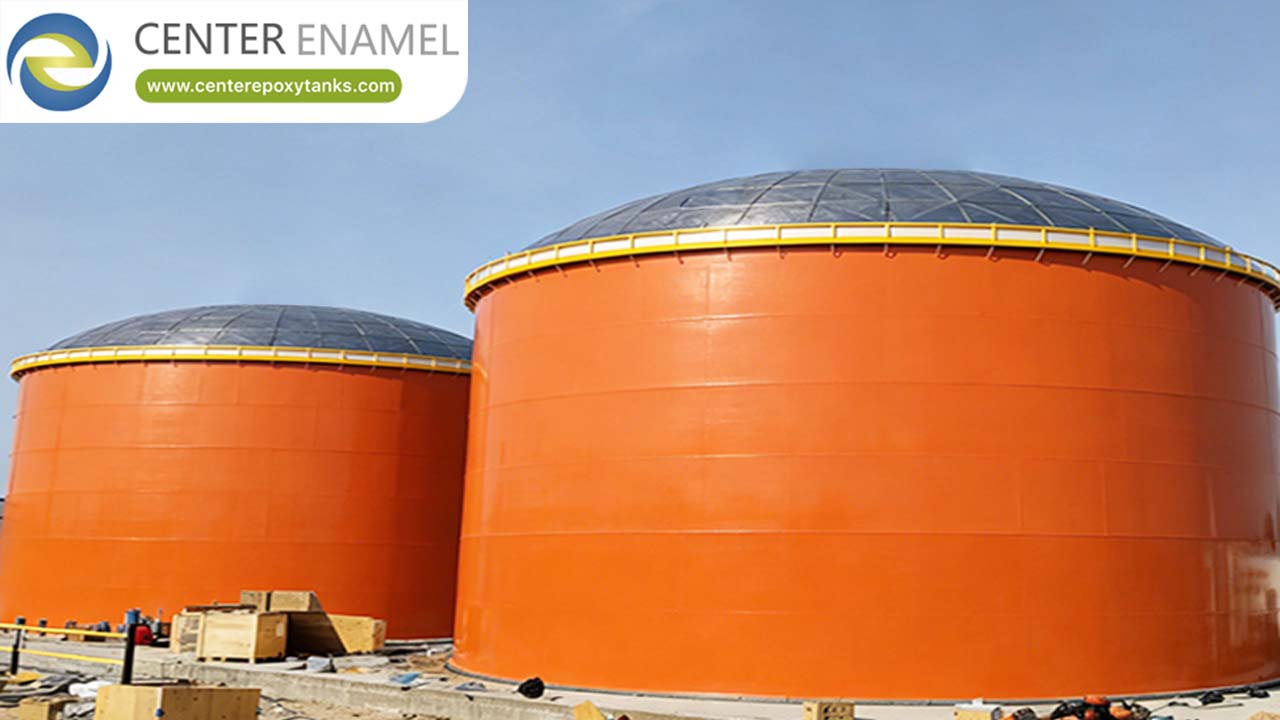
Chemical Storage Tanks for Styrene Monomer Plants: Design, Polymerization Safety, and Containment Standards
In petrochemical manufacturing, styrene monomer (C8H8) serves as an essential intermediate feedstock utilized to produce polystyrene, expanded polystyrene, synthetic rubbers (SBR), and various engineering resins. Because styrene is a highly reactive and volatile organic compound prone to exothermic auto-polymerization under improper thermal or environmental conditions, the design and operation of its storage infrastructure require exceptional engineering precision.
Chemical storage tanks for styrene monomer plants comprise a highly specialized network of atmospheric and low-pressure vessels engineered not only to contain volatile liquids safely but also to mitigate polymerization risks, prevent vapor emissions, and maintain precise chemical stabilization.
1. Core Process Roles of Storage Tanks in a Styrene Monomer Facility
A continuous styrene monomer plant—typically derived from ethylbenzene dehydrogenation—relies on storage tanks to buffer flows between complex reaction, separation, and purification trains:
Crude Styrene Intermediate Buffering: Holding unpurified reaction mixtures prior to high-efficiency vacuum distillation columns.
Finished Product Storage: Storing high-purity (typically 99.8°%) styrene monomer under strictly controlled temperature and inhibited conditions prior to local truck/rail loading or marine export.
Inhibitor and Additive Storage: Managing polymer inhibitor solutions (such as tertiary-butylcatechol, or p-TBC) required to stabilize the monomer during storage and transit.
2. Key Engineering Safeguards for Styrene Storage Tanks
Unlike standard hydrocarbon or inert chemical storage, styrene monomer tanks incorporate unique protective features to prevent runaway reactions:
A. Temperature Monitoring and Control Loops
Styrene readily polymerizes when exposed to elevated temperatures. Storage tanks are equipped with continuous, multi-point temperature sensors. A temperature rise exceeding 1°C per day acts as an early warning of potential spontaneous polymerization, allowing operators to intervene immediately.
B. Inhibitor Concentration Management (p-TBC)
Styrene requires active inhibitors like tertiary-butylcatechol (p-TBC) typically maintained in the 10 to 15 ppm range. Because p-TBC requires dissolved oxygen (10 to 15 ppm) to function effectively, blanketing tanks with pure nitrogen requires careful monitoring to avoid stripping out essential oxygen.
C. Metallurgy and Surface Finish
To prevent rust and iron-catalyzed polymerization, tanks are constructed using austenitic stainless steel (e.g., AISI 304L or 316L) or high-quality carbon steel outfitted with specialized, smooth epoxy tank linings that eliminate rust flakes and facilitate easy drainage.
Data Table: Styrene Monomer Plant Storage Tank Matrix
Process Stream / Asset | Typical Tank Configuration | Material of Construction | Primary Operational Safeguards | Governing Design Standards |
Finished Styrene Product | Vertical cylindrical atmospheric tank (API 650) | Stainless steel or epoxy-lined carbon steel | Continuous temperature tracking, p-TBC monitoring, cooling loops | API 650 / API 2000 |
Crude SM Intermediate | Welded atmospheric vertical tank | Carbon steel with corrosion allowance | Closed-loop vapor balancing, blanket gas regulation | API 650 / NFPA 30 |
Inhibitor (p-TBC) Solutions | Small vertical chemical day tank | 316L Stainless Steel | Metered injection pumps, secondary containment | ASME Section VIII |
3. Environmental and Safety Compliance
Styrene monomer is classified as a flammable, hazardous air pollutant requiring rigorous environmental engineering:
Vapor Emission Control: To prevent toxic fugitive emissions and comply with environmental limits, storage tank breathers are tied into plant vapor recovery units (VRU) or closed flare headers.
Static Grounding: Due to low electrical conductivity, all storage tanks, piping connections, and mixing nozzles must maintain rigorous electrical bonding and grounding continuity to prevent electrostatic spark ignition.
Frequently Asked Questions (FAQ)
Q: What are the primary safety risks associated with storing styrene monomer?
A: The primary risk is auto-polymerization. Styrene is an exothermic polymerizing agent; if exposed to high temperatures, contamination, or insufficient inhibitor levels, it can undergo a runaway polymerization reaction leading to rapid pressure buildup.
Q: Why is oxygen required in a styrene storage tank if nitrogen blanketing is used?
A: Common inhibitors like tertiary-butylcatechol (p-TBC) require dissolved oxygen (typically 10 to 15 ppm) to effectively inhibit polymerization. Completely stripping oxygen via pure nitrogen blanketing without oxygen monitoring can deplete the inhibitor effectiveness.
Q: What materials of construction are recommended for styrene monomer tanks?
A: Tanks are typically built from austenitic stainless steel (such as 304L or 316L) or carbon steel equipped with specialized epoxy linings to prevent rust formation, as iron rust catalyzes unwanted polymer growth.
Q: What engineering codes govern atmospheric styrene storage tanks?
A: They are designed and constructed in accordance with API 650 for welded steel tanks, with venting systems engineered to API 2000 specifications.


