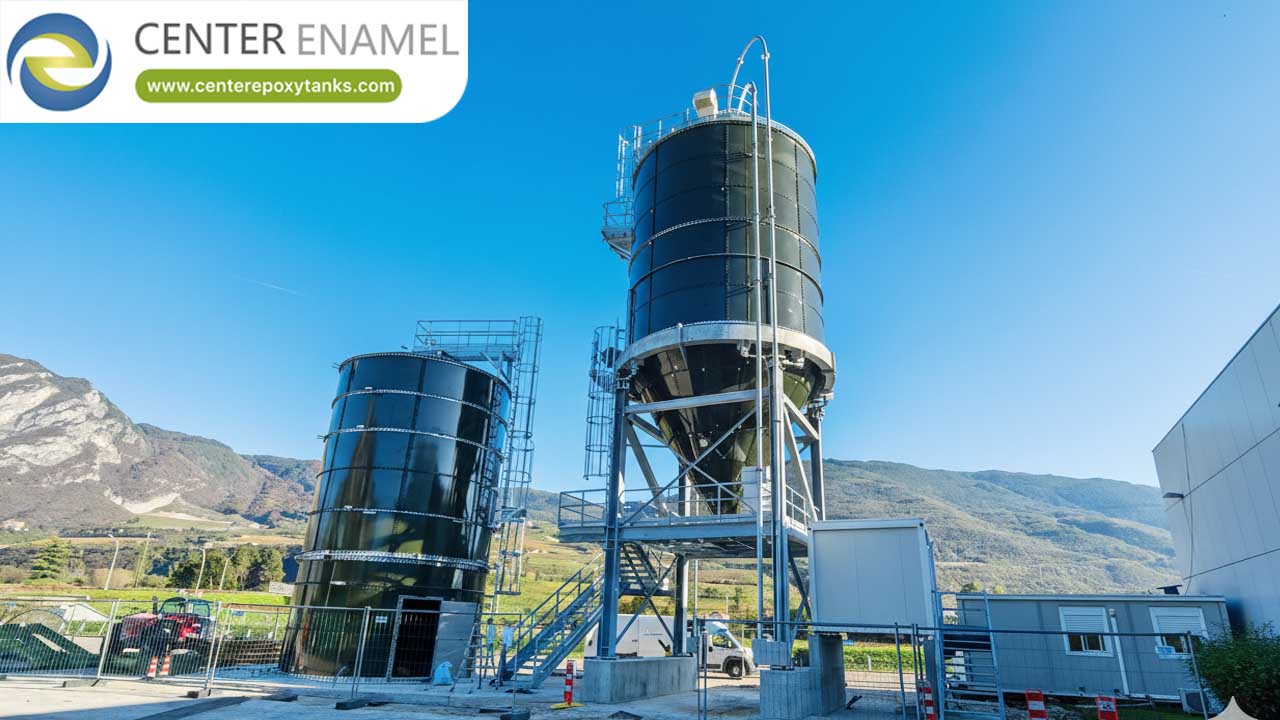
What is a Sugar Silo? Design, Function, and Food-Grade Storage Solutions
A sugar silo is a specialized, food-grade bulk containment vessel designed to store, condition, and discharge large volumes of refined granulated, raw, or pulverized sugar Widely utilized in commercial bakeries, confectionery production lines, beverage plants, and sugar refineries, these vertical cylindrical structures shield bulk sugar from ambient humidity while ensuring a steady, metered supply to processing equipment.
Unlike standard grain or aggregate silos, storing bulk sugar presents extreme challenges regarding moisture sensitivity and combustible dust risks. Sugar is highly hygroscopic; even slight humidity changes cause surface moisture to dissolve the crystal edges, which then recrystallize into solid rock-like crusts (caking). Consequently, a sugar silo must function as a climate-controlled process vessel rather than a simple storage bin.
Key Engineering Requirements for Sugar Storage
Storing tons of bulk sugar safely while keeping it free-flowing requires strict adherence to food safety standards and mechanical engineering safeguards:
Hygroscopic Control & Caking Prevention: Granulated sugar absorbs moisture at relative humidity levels above 60%. As temperature and humidity fluctuate, individual crystals fuse together. Sugar silos feature closed-loop air conditioning units that continuously blow dehumidified, temperature-controlled air through the headspace and silo bed.
Strict Food Safety & Hygiene Standards: Because sugar is consumed directly, internal surfaces must comply with global food contact regulations (such as FDA or EHEDG guidelines). Silos are built with smooth 304 or 316L stainless steel or lined with certified food-grade epoxy, featuring ground internal welds to eliminate bacterial traps.
ATEX Combustible Dust Explosion Protection: Fine sugar dust suspended in air creates an explosive atmosphere. Sugar silos are equipped with explosion relief vents, flame arrestors, anti-static grounding systems, and spark-free rotary valves certified under ATEX / NFPA standards.
Mass Flow & Discharge Dynamics: To prevent "ratholing" or stagnant sugar pockets, sugar silos use steep bottom hopper cones (60°to 70°), internal vibrating bin activators, or rotating sweep screws to ensure a first-in, first-out (FIFO) flow pattern.
How a Sugar Silo System Works
A complete sugar silo system coordinates pneumatic filling, continuous air conditioning, and controlled dosing:
Pneumatic Tanker Loading: Bulk sugar is blown into the silo from bulk transport trucks using dry, oil-free compressed air to prevent introducing moisture during pneumatic transfer.
Top Filtration & Venting: A roof-mounted pulse-jet dust collector equipped with anti-static filter bags captures fine sugar dust while allowing clean air to vent, preventing pressure buildup.
Dehumidification & Conditioning: Conditioned air with a relative humidity below 50% and stable temperature (20C to 25C) circulates continuously through the silo, extracting bound moisture from freshly refined sugar.
Metered Discharge: The conditioned, free-flowing sugar granules pass through a bottom rotary airlock or screw conveyor, transferring directly into plant pneumatic conveying lines for dough mixing, syrup cooking, or packaging.
Technical Specifications & Storage Parameters Matrix
The following matrix highlights the core structural specifications, material standards, and conditioning parameters required for industrial sugar silos:
Technical Parameter | Engineering Standard / Feature | Operational Impact |
Material Construction | 304 / 316L Stainless Steel or Food-Grade Coated Steel | Guarantees non-reactive, rust-free contact surfaces meeting FDA/EHEDG food hygiene rules. |
Internal Surface Finish | Smooth polished welds | Prevents sugar particles from catching in micro-crevices, eliminating mold and bacteria risks. |
Relative Humidity Control | 30% to 50%RH (Dehumidified closed loop) | Prevents moisture absorption and stops crystal recrystallization (caking) in storage. |
Storage Temperature | 20°C to 50 °C (68°F to 77°F) | Eliminates condensation cycles caused by ambient day-to-night outdoor temperature swings. |
Explosion Safety Rating | ATEX Zone 20/22 / NFPA 68 & 69 compliant | Bursting panels and suppression systems mitigate dust explosion risks during filling. |
Key Benefits of Dedicated Sugar Silos
Upgrading to an automated vertical sugar storage silo delivers major operational efficiencies for industrial food manufacturers:
Key Takeaway: Buying granulated sugar in bulk tanker loads rather than 25 kg bags reduces raw material costs by 10% to 15% while completely automating ingredient dosing into mixing tanks.
Zero Waste from Moisture Caking: Controlled internal microclimates keep sugar perfectly free-flowing, eliminating scrapped inventory caused by hardened sugar lumps.
Total Food Safety Compliance: Sealed, stainless-steel vessels shield ingredients from insects, rodents, airborne dust, and cross-contamination.
Reclaimed Plant Floor Space: Moving bulk ingredients into outdoor vertical silos frees up hundreds of square meters of interior floor space previously used for pallet storage.
Frequently Asked Questions (FAQ)
Q: Why does granulated sugar cake inside a silo?
A: Sugar cakes because it is hygroscopic—it absorbs water from humid air. When temperature drops, the dissolved sugar on the surface of the crystals recrystallizes, fusing adjacent granules into solid chunks. Continuous air conditioning inside the silo prevents this process.
Q: Are sugar storage silos dangerous?
A: Like many organic powders (such as flour or starch), airborne sugar dust is highly combustible. If an ignition source is present inside an unvented silo, a severe dust explosion can occur. Modern sugar silos prevent this using explosion relief vents, static grounding, and certified spark-free electronics.
Q: What is the difference between indoor and outdoor sugar silos?
A: Outdoor sugar silos require full external insulation and trace heating to prevent ambient temperature changes from causing condensation on internal walls. Indoor silos benefit from building climate control but require sufficient ceiling height and strict dust management.
Q: How is sugar discharged from the bottom of a large silo?
A: Granulated sugar is discharged using steep hopper cones combined with mechanical sweep screws, vibrating bin activators, or fluidization air pads. These systems push the sugar evenly into rotary valves connected to pneumatic transfer pipes.


