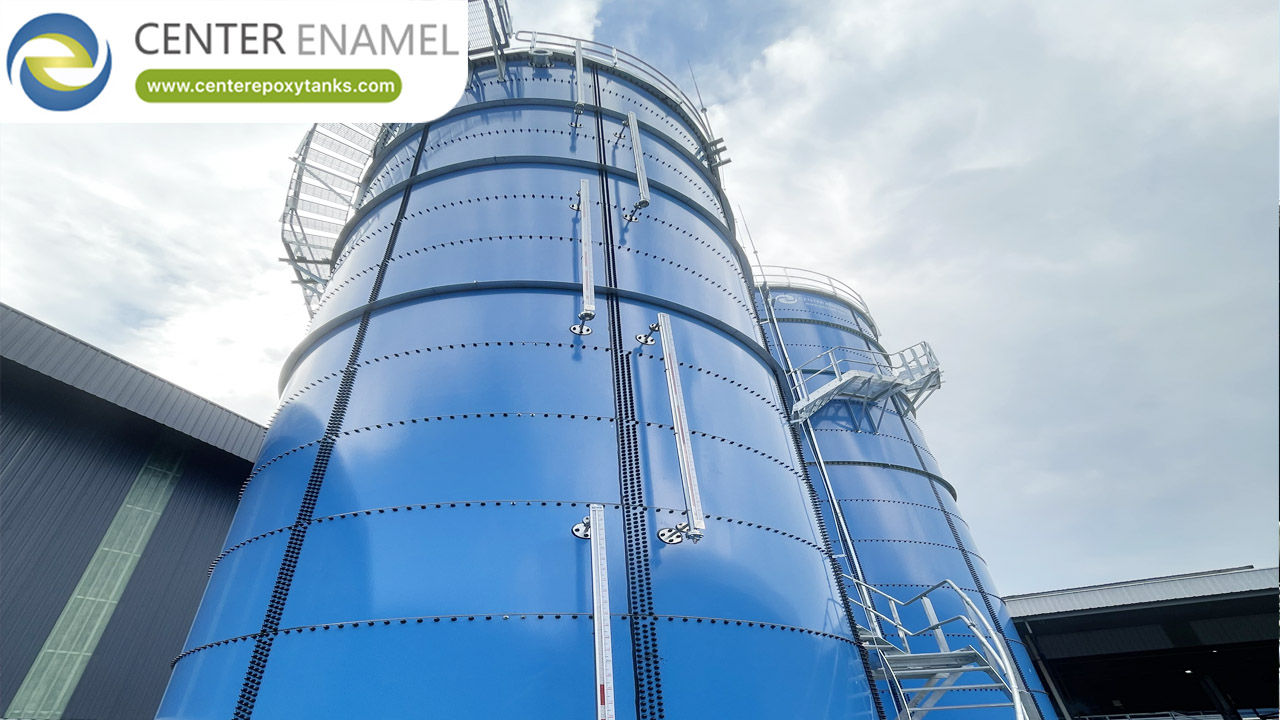
What is a Fertilizer Silo? Design, Function, and Industrial Applications
A fertilizer silo is a specialized bulk storage vessel engineered to store, protect, and meter granular, prilled, or powder fertilizers—such as urea, NPK blends, ammonium nitrate, and potash. Used widely in agricultural distribution centers, fertilizer blending plants, and chemical manufacturing facilities, these vertical cylindrical structures shield bulk fertilizers from moisture, ambient humidity, and weather degradation while facilitating efficient loading and unloading.
Unlike standard grain or aggregate silos, fertilizer silos require specialized engineering. Most commercial fertilizers are highly hygroscopic (absorbing moisture from the surrounding air) and aggressively corrosive to untreated steel, making material selection and moisture barrier controls critical to silo design.
The Unique Challenges of Bulk Fertilizer Storage
Storing bulk chemical and organic fertilizers presents several mechanical and chemical hurdles that standard agricultural silos cannot handle:
Chemical Corrosion: Compounds like ammonium nitrate, potassium chloride, and urea react with atmospheric moisture to form acidic or salts-rich solutions. Unprotected carbon steel will corrode rapidly, leading to structural wall failure.
Moisture Absorption & Caking: Granular fertilizers pull moisture out of humid air. As the granules absorb water and undergo temperature cycles, they bind together, forming massive hardened blocks (caking) or arches over the discharge cone.
Dust and Explosion Hazards: Certain dry fertilizers—particularly nitrate-based compounds—generate fine combustible dust during pneumatic loading, requiring atmospheric dust suppression and explosion relief protection.
High Bulk Densities: Dry fertilizers are dense, often weighing between 0.8 to 1.3 t/m3 (50 to 80 ft3). This places high dynamic wall loads on the lower cone and support legs during material discharge.
How a Fertilizer Silo Functions
Operating a modern fertilizer storage silo involves an integrated sequence of climate isolation, dust control, and active material discharge:
Material Infeed: Bulk fertilizer is delivered via bucket elevators, belt conveyors, or low-pressure pneumatic blower pipes into the top of the silo.
Environmental Conditioning: Roof-mounted pulse-jet dust collectors capture airborne fine particles during filling, while sealed inspection hatches and dry air blankets prevent humid outdoor air from penetrating the vessel interior.
Controlled Unloading: The steep conical bottom (50° to 60°) channels granules downward. To overcome caking or bridging, the hopper may feature mechanical bin activators, fluidization pads, or stainless steel internal liners.
Dosing & Transfer: Material flows through a bottom rotary valve, slide gate, or volumetric screw feeder directly into blending hoppers, bagging lines, or transport trucks.
Technical Specifications & Silo Fabrication Comparison Matrix
Selecting the right silo type depends on the chemical aggressiveness of the stored fertilizer, ambient climate, and volume requirements:
Silo Technology | Shell Material & Coating | Corrosion Resistance Level | Ideal Fertilizer Application | Operational Lifespan |
Glass-Fused-to-Steel (GFS) | Steel plates fused with glass enamel at 850°C | Extreme (Immune to atmospheric salts & acids) | Urea, NPK, Potash, Acidic Blends, Liquid Fertilizers | 30+ Years (Zero recoating required) |
Stainless Steel (304 / 316L) | Solid austenitic stainless alloy steel | High to Extreme (Excellent against chemical pitting) | Highly reactive compounds, Ammonium Nitrate, Blending plants | 25+ Years (High initial capital cost) |
Epoxy-Coated Carbon Steel | Factory-applied thermosetting epoxy resin | Moderate to High (Requires periodic lining checks) | Dry NPK granules, organic fertilizer pellets, phosphate rock | 15–20 Years (Cost-effective for dry environments) |
Fiberglass Reinforced Plastic (FRP) | Composite resin & fiberglass matrix | High (Non-metallic, no rust potential) | Small-to-medium agricultural farm storage, liquid fertilizer | 15–20 Years (Limited to smaller volumetric capacities) |
Key Benefits of Dedicated Fertilizer Silos
Investing in a custom-engineered fertilizer silo provides significant long-term operational and economic benefits for agricultural processors:
Key Takeaway: Purchasing fertilizers in bulk off-season and storing them in sealed silos can yield raw material savings of 10% to 20%, while shielding high-value granules from rain, humidity, and compaction losses.
Zero Product Loss from Moisture Caking: Sealed roofs, internal anti-stick coatings, and integrated dehumidification systems preserve free-flowing granule conditions for months.
Superior Environmental & Worker Safety: Enclosed transfer lines and top filtration systems eliminate chemical dust clouds, keeping facilities compliant with air quality regulations.
Maximized Site Footprint: Vertical silo storage holds hundreds of tons of bulk fertilizer in a small footprint compared to sprawling flat warehouse storage.
Frequently Asked Questions (FAQ)
Q: Why do fertilizers cake inside a storage silo?
A: Fertilizers are hygroscopic, meaning they readily absorb ambient humidity. When temperature fluctuations occur, moisture on the granule surfaces dissolves the chemical salts slightly; when the temperature drops, the salts recrystallize, locking individual granules into a hard mass (caking).
Q: What is the best material for a chemical fertilizer silo?
A: Glass-Fused-to-Steel (GFS) and 316L Stainless Steel are considered the gold standards. GFS fuses inert glass to steel at high temperatures, creating an impermeable barrier that is chemically inert to corrosive salts, acids, and fertilizers.
Q: How do you prevent bridging in a fertilizer silo?
A: Bridging is prevented by designing steep hopper cone angles (50° to 60°), applying smooth internal coatings (such as stainless steel or glass linings), and installing flow aids like mechanical bin activators, air cannons, or vibration systems at the discharge cone.
Q: Can liquid fertilizers be stored in the same silos as dry granular fertilizers?
A: No. Dry granular fertilizers require vertical hopper-bottom silos with dust collection and mechanical discharge devices. Liquid fertilizers (such as UAN solutions) require flat-bottom liquid storage tanks equipped with specialized chemical gaskets, level monitors, and secondary containment dikes.


