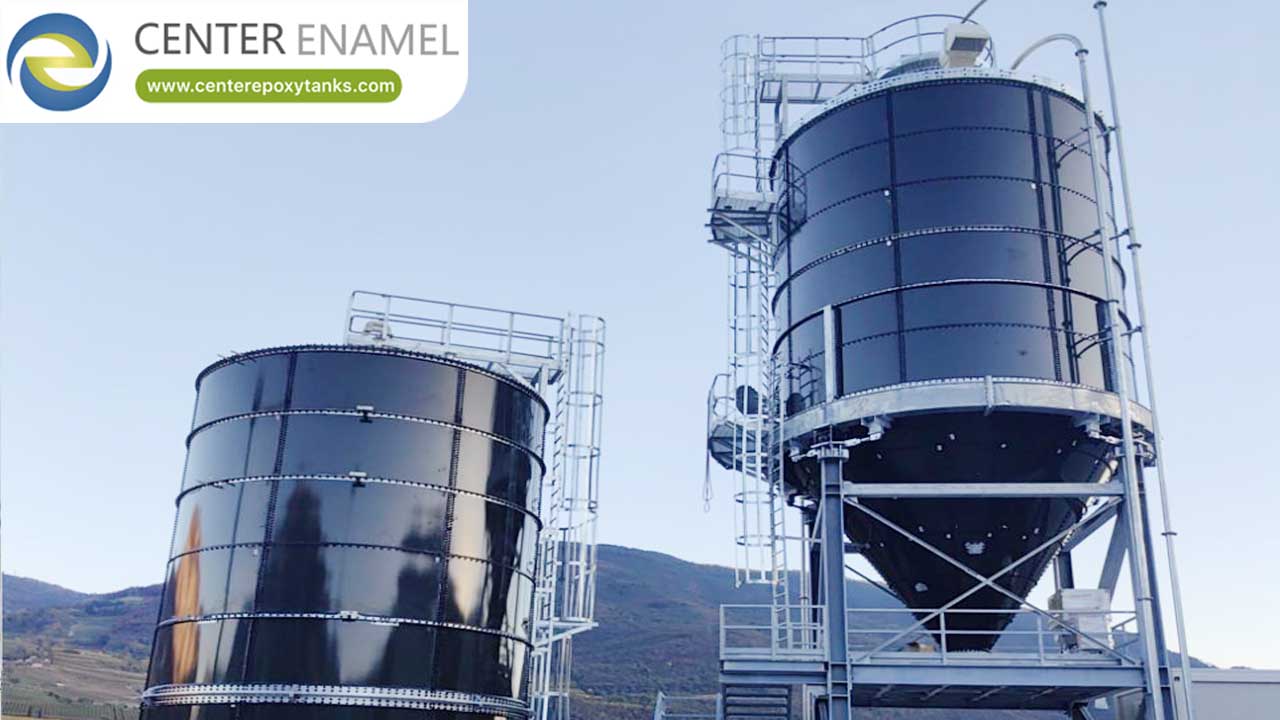
What is a Salt Silo? Design, Function, and Corrosion-Resistant Bulk Storage
A salt silo is a specialized bulk containment structure engineered to store, protect, and rapidly discharge sodium chloride (NaCl), calcium chloride (CaCl2), or magnesium chloride (MgCl2). Used extensively in municipal winter road deicing, food processing, water treatment, and chemical manufacturing, salt silos hold bulk coarse rock salt, solar salt, or ultra-fine food-grade salt in a dry, free-flowing state.
Unlike standard aggregate or grain storage bins, a salt silo must be purpose-built to withstand extreme chemical aggressiveness. Salt is both highly corrosive to metals and strongly hygroscopic (absorbing atmospheric moisture to form hard crusts). Consequently, salt silos rely on advanced non-corrosive materials like fiberglass, glass-fused enamel, or high-grade stainless steel.
Engineering Challenges in Bulk Salt Storage
Storing bulk industrial or deicing salt requires solving several chemical and physical material handling problems:
Aggressive Chloride Corrosion: Salt solutions rapidly attack standard carbon steel and aluminum, causing oxidation, flaking, and structural weakness. Silos require inert, non-metallic surfaces or protective glass linings.
Hygroscopic Caking and Clumping: When ambient air humidity rises above 75% relative humidity, salt crystals absorb water vapor. As temperatures cool, the dissolved salt recrystallizes, binding individual grains into rock-hard arches over the discharge outlet.
High Bulk Density: Bulk rock salt weighs between 1.1 to 1.3 t/m3 (70 to 80lbs/ft3). This heavy load exerts significant dynamic side-wall pressure during unloading cycles.
Abrasive Flow Wear: Coarse rock salt granules create high friction against hopper walls during gravity discharge, demanding wear-resistant internal linings.
How a Salt Storage Silo Operates
Depending on whether the silo serves municipal winter road maintenance or indoor food processing, the operational system coordinates loading, climate sealing, and rapid vehicle loading:
Bulk Filling: Salt is delivered via pneumatic blowers, vertical bucket elevators, or inclined screw conveyors through a dedicated top intake port.
Moisture Sealing & Air Filtration: Top-mounted dust filters trap fine salt particles during filling, while hermetically sealed hatches prevent damp outdoor air from entering the vessel headspace.
Gravimetric Truck Loading: For municipal deicing silos, the vessel is elevated on a heavy steel or concrete gantry frame. Spreader trucks drive directly underneath the 50^circtext to 60^circ bottom cone, allowing a 10-ton truck to load with deicing salt in under 2 minutes via automated slide gates.
Discharge Assistance: To ensure smooth material movement, silos utilize vibrating bin activators, smooth internal liners, or low-pressure fluidization pads near the hopper outlet.
Technical Specifications & Silo Material Comparison Matrix
Choosing the right structural material is critical to preventing chloride attack and extending the silo's operational lifecycle:
Silo Material Type | Corrosion Resistance | Structural Strength | Best Application | Maintenance Needs |
Fiberglass (FRP / GRP) | Exceptional (100% rust-proof & impervious to salt) | High strength-to-weight; ideal for vertical silos | Road deicing salt, municipal winter storage depots | Virtually Zero maintenance |
Glass-Fused-to-Steel (GFS) | Extreme (Inert glass enamel fused at 850°C) | Superior structural capacity for high-tonnage storage | Industrial chemical plants, water softening, large salt processing | Minimal (Zero repainting required) |
Stainless Steel (316L) | High (Resists localized pitting from chlorides) | High mechanical durability | Food-grade table salt, pharmaceutical ingredient handling | Low (Requires sanitary washdowns) |
HDPE-Lined Carbon Steel | Moderate to High (Relies on polymer liner integrity) | Heavy industrial capacity | Intermediate industrial bulk salt storage | Periodic inspection of internal lining |
Key Benefits of Dedicated Salt Storage Silos
Upgrading from open outdoor salt domes or flat sheds to vertical salt silos provides substantial economic and environmental advantages:
Key Takeaway: Elevated vertical salt silos enable 2-minute truck loading during winter storms, while preventing toxic salt runoff from leaching into local groundwater and soil.
Environmental Protection & Compliance: Completely eliminates salt leaching into local rivers, streams, and soil caused by rain washing over open salt piles.
Instant Gravity Truck Loading: Eliminates the need for front-end loaders, saving fuel, labor, and precious response time during emergency snow clearance operations.
Zero Product Loss from Caking: Weather-tight construction and smooth cone hydraulics keep salt dry, preventing lump formation and machine clogging.
Frequently Asked Questions (FAQ)
Q: Why are fiberglass (FRP) silos popular for road salt storage?
A: Fiberglass is completely immune to salt and chloride corrosion. Unlike metal, FRP never rusts, requires no protective paint recoating, and provides a smooth internal surface that promotes easy gravity flow for bulk deicing salt.
Q: How do you stop salt from hardening inside a storage silo?
A: Salt hardening (caking) is stopped by keeping moisture out. Silos feature airtight top hatches, sealed bottom gates, and optional dehumidified air circulation systems. Steep hopper cone angles (50° to 60°) and vibrating agitators also break up minor crusting.
Q: What is the difference between a road salt silo and a food-grade salt silo?
A: Road salt silos focus on rapid gravity loading for winter spreader trucks and use rugged FRP or GFS construction. Food-grade salt silos must comply with FDA/EHEDG sanitary standards, using polished 316L stainless steel, smooth internal welds, and specialized air dehumidification to handle fine table salt.
Q: How fast can a spreader truck be loaded from an elevated salt silo?
A: Because elevated salt silos rely on direct gravity discharge through large-diameter bottom slide gates, a standard winter road spreader truck can be fully loaded in 60 to 120 seconds, drastically speeding up storm response times compared to front-loader bucket loading.


