What Is a Sodium Hydroxide (Caustic Soda) Storage Tank? Design, Material Compatibility, and Safety Guidelines
In chemical manufacturing, water and wastewater treatment, pulp and paper production, textile processing, and petroleum refining, sodium hydroxide (NaOH)—commonly known as caustic soda or lye—serves as one of the most critical alkaline reagents. Because commercial-strength caustic soda (typically a 50% liquid solution) is exceptionally corrosive to human tissue, highly reactive with specific metals, and prone to crystallization at moderate temperatures, storing it safely requires specialized containment engineering.
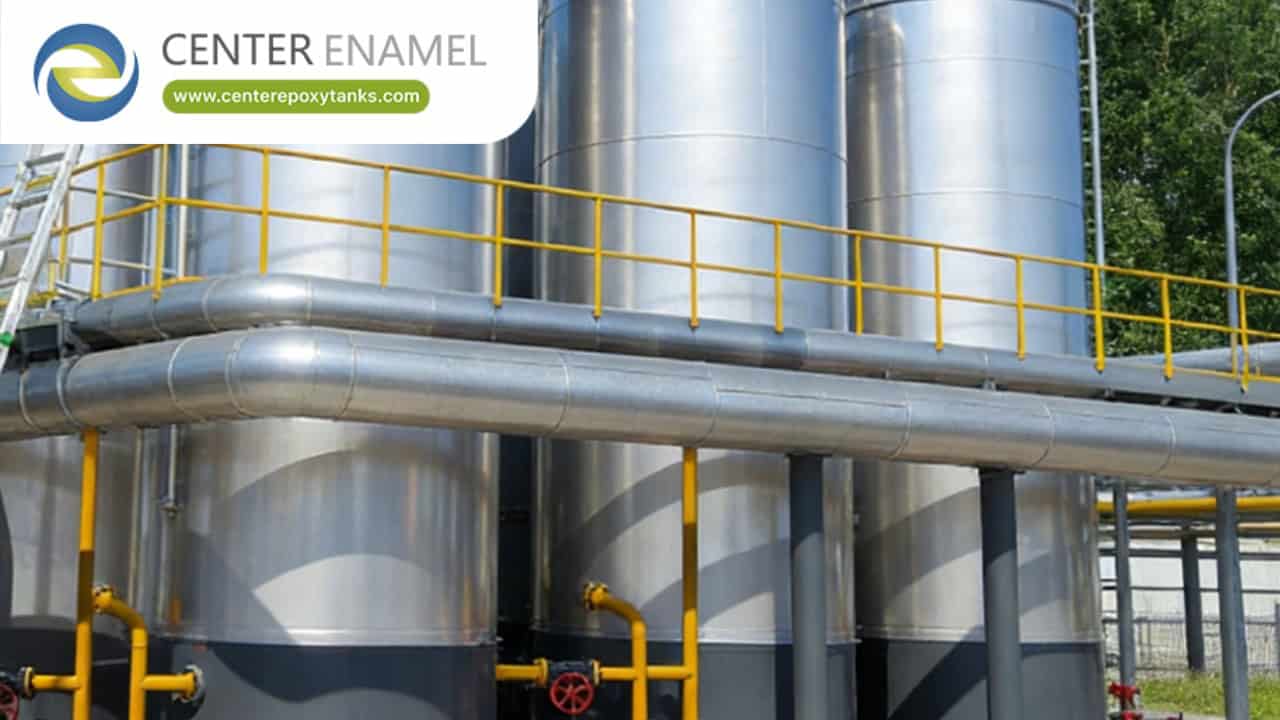
A sodium hydroxide storage tank is a heavy-duty industrial containment vessel specifically engineered from chemically compatible polymers, carbon steel, or composite materials designed to store liquid caustic soda safely, prevent environmental leaks, and handle high specific gravity fluid loads.
1. Key Chemical Properties Dictating Tank Design
Designing a reliable caustic soda storage system requires accounting for several unique physical and chemical characteristics:
High Specific Gravity: Liquid caustic soda (50 concentration) is significantly denser than water, featuring a specific gravity of approximately 1.45 to 1.5. This heavy weight places intense hydrostatic hoop stress on the lower third of the tank wall, requiring structural designs certified to a minimum 1.9 specific gravity rating to prevent wall deformation or catastrophic failure.
Crystallization Thresholds: A standard 50% sodium hydroxide solution has a high crystallization point of approximately 12°C (54°F). If ambient temperatures drop below this threshold, the liquid can solidify, blocking piping, damaging internal equipment, and complicating plant operations. Insulated tanks and electric or steam heat tracing are frequently mandatory.
Metal Reactivity: Caustic soda reacts violently and corrosively with amphoteric metals such as aluminum, zinc, tin, copper, brass, and bronze, producing flammable hydrogen gas. Therefore, material selection must be strictly controlled.
2. Approved Materials of Construction
Depending on operating temperatures, concentration levels, and budget constraints, caustic soda storage utilizes specific material configurations:
A. Cross-Linked Polyethylene (XLPE)
Widely considered the industry standard for chemical storage up to 50% concentration at ambient temperatures. XLPE tanks offer superior resistance to environmental stress cracking and chemical attack. To handle the weight of caustic soda safely, these tanks must carry a 1.9 specific gravity structural rating.
B. Carbon Steel
Suitable for storing concentrated caustic soda (typically 50% strength) at moderate temperatures (below 120°F / 49°C). When caustic contacts carbon steel, a protective iron oxide passive layer forms on the interior surface, reducing further corrosion. However, iron pickup can discolor high-purity product streams over time.
C. Fiberglass-Reinforced Plastic (FRP) and Stainless Steel
FRP tanks utilizing specialized vinyl ester resins rated specifically for sodium hydroxide service are deployed for large-scale industrial bulk volumes. High-grade austenitic stainless steels (such as 316 / 316L) are also utilized for specialized piping and high-purity vessels.
Data Table: Sodium Hydroxide Storage Tank Material Matrix
Tank Material Option | Concentration Limits | Temperature Threshold | Specific Gravity (SG) Rating | Governing Standards / Notes |
XLPE (Cross-Linked PE) | Up to 50% NaOH | Up to 120°F (49°C) | Minimum 1.9 SG | ASTM D1998 / Seamless molded design |
Carbon Steel | 50% to 70% NaOH | Below 120°F (49°C) | High structural rating | API 650 / Forms protective iron oxide layer |
FRP (Fiberglass Reinforced) | Up to 50% NaOH | Engineered design limits | Custom structural design | ASME RTP-1 / Must use caustic-resistant vinyl ester resin |
316 Stainless Steel | Up to 50% NaOH | Moderate operating range | High structural rating | ASME / Excellent corrosion resistance if properly passivated |
3. Secondary Containment and Environmental Safety
Because sodium hydroxide is a slippery, highly hazardous chemical that readily finds micro-leak paths, robust environmental containment is legally mandated:
The 110% Rule: Under EPA and OSHA regulations, secondary containment areas (such as concrete dikes coated with epoxy or polyurethane) must be engineered to hold at least 110% of the volume of the largest single primary tank within the system. Alternatively, double-wall tank designs ("tank-within-a-tank" systems) provide built-in secondary containment.
Incompatibility Isolation: Caustic soda storage must be physically separated from acids (such as hydrochloric or sulfuric acid) by at least 10 feet to prevent violent, exothermic neutralization reactions.
Frequently Asked Questions (FAQ)
Q: What is a sodium hydroxide storage tank?
A: A sodium hydroxide storage tank is an engineered industrial containment vessel built from cross-linked polyethylene, carbon steel, or specialized composites to safely store liquid caustic soda (NaOH).
Q: Why do polyethylene caustic soda tanks require a 1.9 specific gravity rating?
A: Liquid caustic soda is considerably denser than water (approx. 1.45 to 1.5 specific gravity), exerting severe hydrostatic pressure on the lower walls of the vessel. A 1.9 SG structural rating ensures the tank walls are thick enough to prevent structural creep or rupture.
Q: At what temperature does a 50% caustic soda solution crystallize?
A: A 50% sodium hydroxide solution has a crystallization point of approximately 12°C (54°F). If temperatures drop below this level, the solution solidifies, requiring insulated tanks and heat tracing systems.
Q: What are the secondary containment requirements for caustic soda tanks?
A: Regulatory standards mandate that secondary containment structures must be capable of holding at least 110% of the volume of the largest primary storage container to protect against spills and leaks.


