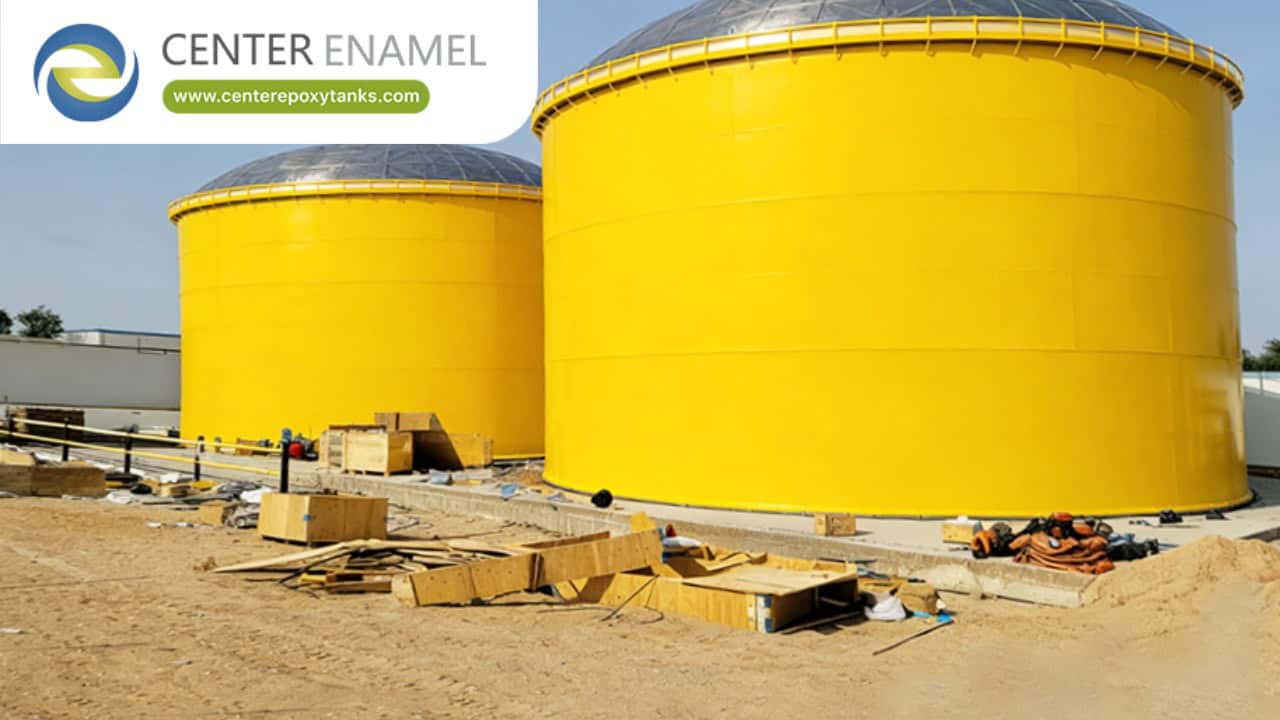
What Is a Hydrochloric Acid Storage Tank? Material Selection, Vapor Management, and Safety Standards
In chemical synthesis, metal pickling, petroleum refining, food processing, and municipal pH adjustment, hydrochloric acid (HCl)—frequently referred to in commercial grades as muriatic acid—serves as one of the most essential mineral acids. However, because concentrated hydrochloric acid (typically 30% to 37% strength) is intensely corrosive to metals, highly reactive, and prone to releasing choking hydrogen chloride (HCl) vapors, storing it safely requires specialized containment engineering.
A hydrochloric acid storage tank is a heavy-duty industrial containment vessel specifically engineered from chemically inert polymers, composite materials, or specialized rubber-lined steels designed to store liquid hydrochloric acid safely, control fugitive fumes, and withstand aggressive chemical attack over long operational life cycles.
1. Key Chemical Properties Dictating Tank Design
Designing a reliable hydrochloric acid storage system requires navigating three critical physical and chemical challenges:
Aggressive Corrosiveness to Metals: Hydrochloric acid rapidly attacks and dissolves standard carbon steel, aluminum, and most stainless steels through severe hydrogen embrittlement and chloride ion corrosion. Consequently, metal tanks must feature specialized non-metallic construction or heavy chemical-resistant internal linings.
Fuming and Vapor Pressure: Concentrated HCl solutions continuously release hydrogen chloride gas into the vapor space above the liquid. These toxic, highly corrosive fumes will aggressively attack standard metal fixtures, bolts, and atmospheric hardware if not properly scrubbed or vented.
Moderate Specific Gravity: Standard commercial 37% hydrochloric acid features a specific gravity of approximately 1.16 to 1.19 SG. While lighter than sulfuric acid, this weight still requires robust structural wall designs certified to an appropriate specific gravity rating (such as 1.65 to 1.9 SG) to prevent long-term wall creep or structural deformation.
2. Approved Materials of Construction
Selecting the correct tank material depends on temperature limits, capacity scales, and operating concentrations:
A. Cross-Linked Polyethylene (XLPE)
Widely recognized as the industry standard for commercial muriatic acid storage up to 37% concentration at ambient temperatures. Rotationally molded XLPE tanks manufactured to ASTM D1998 standards offer exceptional chemical inertness, seamless construction, and strong resistance to stress cracking.
B. Fiberglass-Reinforced Plastic (FRP) with Specialized Resins
For large-scale industrial bulk storage (exceeding 10,000 gallons), FRP tanks utilizing specialized vinyl ester or epoxy novolac resins featuring a resin-rich corrosion barrier provide high structural integrity.
C. Rubber-Lined Carbon Steel
Heavy-duty industrial carbon steel structural vessels lined internally with chlorobutyl or natural rubber elastomers. These combine the high mechanical strength of structural steel with a thick, acid-resistant elastomeric barrier.
Data Table: Hydrochloric Acid Storage Tank Material Matrix
Tank Material Option | Concentration Limits | Maximum Temperature Limit | Specific Gravity (SG) Rating | Governing Standards / Notes |
XLPE (Cross-Linked PE) | Up to 37% HCl | Up to 120°F (49°C) | 1.65 to 1.9 SG | ASTM D1998 / Seamless molded construction |
FRP (Fiberglass Reinforced) | Up to 37% HCl | Engineered design limits | Custom structural design | ASME RTP-1 / Requires specialized vinyl ester resin |
Rubber-Lined Steel | Up to 37% HCl | Up to 140°F (60°C) | High structural rating | AWWA / ASTM / Heavy steel shell with chlorobutyl lining |
3. Vapor Scrubbing and Environmental Safety Systems
Because hydrochloric acid storage installations emit corrosive vapors, atmospheric protection is mandatory:
Fume Scrubbers: Tank breather lines must be routed through dedicated caustic water scrubbers or fume neutralization traps to strip hydrogen chloride gas from displaced air during tank filling operations, preventing atmospheric pollution and equipment corrosion.
Secondary Containment Bunds: Under environmental regulations (such as EPA and OSHA rules), secondary containment systems (such as epoxy-coated concrete dikes or double-wall tanks) must be engineered to hold at least 110% of the volume of the largest primary tank.
Frequently Asked Questions (FAQ)
Q: What is a hydrochloric acid storage tank?
A: A hydrochloric acid storage tank is an engineered industrial containment vessel built from cross-linked polyethylene, fiberglass, or rubber-lined steel to safely store corrosive liquid HCl (muriatic acid).
Q: Why can't standard carbon steel or stainless steel tanks be used for hydrochloric acid?
A: Hydrochloric acid causes severe hydrogen embrittlement and chloride-induced corrosion that rapidly destroys carbon steel and most stainless steels, leading to catastrophic leaks.
Q: How are toxic hydrogen chloride vapors managed during tank filling?
A: Tank breather and vent lines are routed through specialized fume scrubbers or neutralization traps to capture and neutralize toxic HCl gas before air is expelled into the atmosphere.
Q: What manufacturing standard governs polyethylene hydrochloric acid tanks?
A: Rotationally molded polyethylene chemical storage tanks are designed, fabricated, and tested in accordance with ASTM D1998 standards to guarantee proper wall thickness and resin performance.


