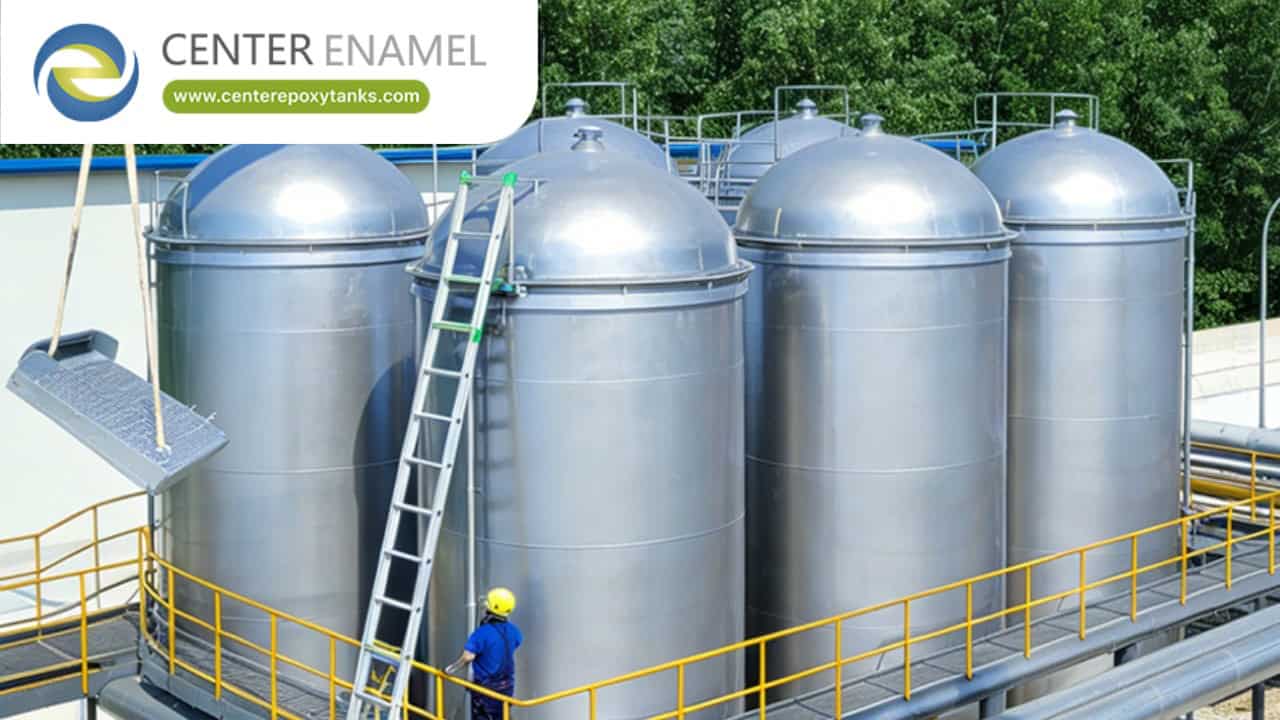
What Is a Polyaluminum Chloride (PAC) Storage Tank? Design, Material Selection, and Industrial Applications
In municipal drinking water purification, industrial wastewater treatment, and paper manufacturing, polyaluminum chloride (PAC) serves as one of the most efficient and widely used inorganic polymer coagulants. Because PAC operates effectively across a broader pH range and leaves lower residual aluminum levels than traditional alum, it is heavily relied upon for solid-liquid separation. However, because liquid PAC solutions are mildly acidic and dense, storing them safely requires specialized containment engineering.
A polyaluminum chloride storage tank is a dedicated industrial containment vessel engineered from corrosion-resistant polymers or composite materials designed to safely store liquid PAC, prevent chemical degradation, and handle high hydrostatic pressures over long operational life cycles.
1. Key Chemical and Physical Properties Dictating Tank Design
Designing a reliable polyaluminum chloride storage system requires accounting for several distinct physical and chemical characteristics:
Mild Acidity: Liquid PAC solutions typically exhibit an acidic pH (ranging from 3.5 to 4.5). While less aggressive than strong mineral acids, this acidity causes gradual corrosion in standard carbon steel and unalloyed metals, making non-metallic polymers mandatory.
High Specific Gravity: Commercial liquid PAC solutions generally possess a specific gravity ranging from 1.2 to 1.35 SG. This weight creates substantial hydrostatic hoop stress on the lower third of the tank wall, requiring heavy-duty structural ratings (such as 1.65 or 1.9 specific gravity designs).
Temperature Sensitivity: PAC solutions can experience shifts in viscosity or minor crystallization if exposed to extreme sub-freezing conditions, making insulated or indoor tank configurations common in colder climates.
2. Approved Materials of Construction
To prevent corrosion, structural breakdown, and chemical leaks, polyaluminum chloride storage tanks are manufactured using proven non-metallic materials:
Cross-Linked Polyethylene (XLPE): Highly preferred for rotationally molded vertical tanks up to medium capacities. XLPE provides seamless containment and exceptional resistance to environmental stress cracking under heavy specific gravity loads.
Fiberglass-Reinforced Plastic (FRP): Built using specialized vinyl ester or polyester resins with a resin-rich corrosion barrier, FRP tanks deliver exceptional structural rigidity for large-scale bulk storage volumes exceeding 10,000 gallons.
High-Density Polyethylene (HDPE): Frequently utilized for smaller day tanks, chemical injection skids, or metering setups when properly UV-stabilized.
Data Table: Polyaluminum Chloride Storage Tank Material Matrix
Tank Material Option | Structural Resin / Base | Specific Gravity (SG) Rating | Typical Capacity Range | Governing Standards |
XLPE (Cross-Linked PE) | Cross-linked polyethylene | 1.65 to 1.9 SG (Heavy wall) | Small to medium (500 to 10,000 gal) | ASTM D1998 |
FRP (Fiberglass Reinforced) | Vinyl ester or polyester resin matrix | Engineered structural design | Large bulk scale (5,000 to 25,000+ gal) | ASME RTP-1 / ASTM D4097 |
HDPE (High-Density PE) | Linear high-density polyethylene | 1.5 to 1.65 SG | Small metering or day tanks | ASTM D1998 |
3. Essential Operational and Safety Features
A properly designed PAC storage installation incorporates several critical operational accessories:
Flexible Nozzle Connections: Because heavy liquid loads cause slight tank expansion and contraction cycles, flexible expansion joints must be installed on lower outlet piping to prevent nozzle shear and subsequent leaks.
Secondary Containment Bunds: Concrete dikes or double-wall tank systems must be capable of capturing at least 110% of the primary vessel volume to eliminate environmental spill risks.
UV Shielding: Outdoor storage tanks are typically fabricated with dark carbon-stabilized resin or UV-blocking exterior coatings to preserve chemical integrity.
Frequently Asked Questions (FAQ)
Q: What is a polyaluminum chloride storage tank?
A: A polyaluminum chloride storage tank is a specialized industrial vessel built from chemical-resistant polymers or fiberglass to safely contain liquid PAC used as a coagulant in water and wastewater treatment.
Q: Why can't standard carbon steel tanks be used for polyaluminum chloride?
A: Liquid PAC is mildly acidic and contains chloride ions that gradually corrode and pit standard carbon steel, leading to structural failure and leaks over time.
Q: Why is a high specific gravity rating necessary for PAC tanks?
A: Liquid PAC solutions are denser than water (approx. 1.2 to 1.35 SG), exerting greater hydrostatic pressure on the lower walls of the tank, which requires thicker walls and heavy-duty structural ratings.
Q: What manufacturing standard governs polyethylene polyaluminum chloride tanks?
A: Rotationally molded polyethylene chemical tanks are typically designed, fabricated, and tested in accordance with ASTM D1998 standards to guarantee proper wall thickness and resin performance.


