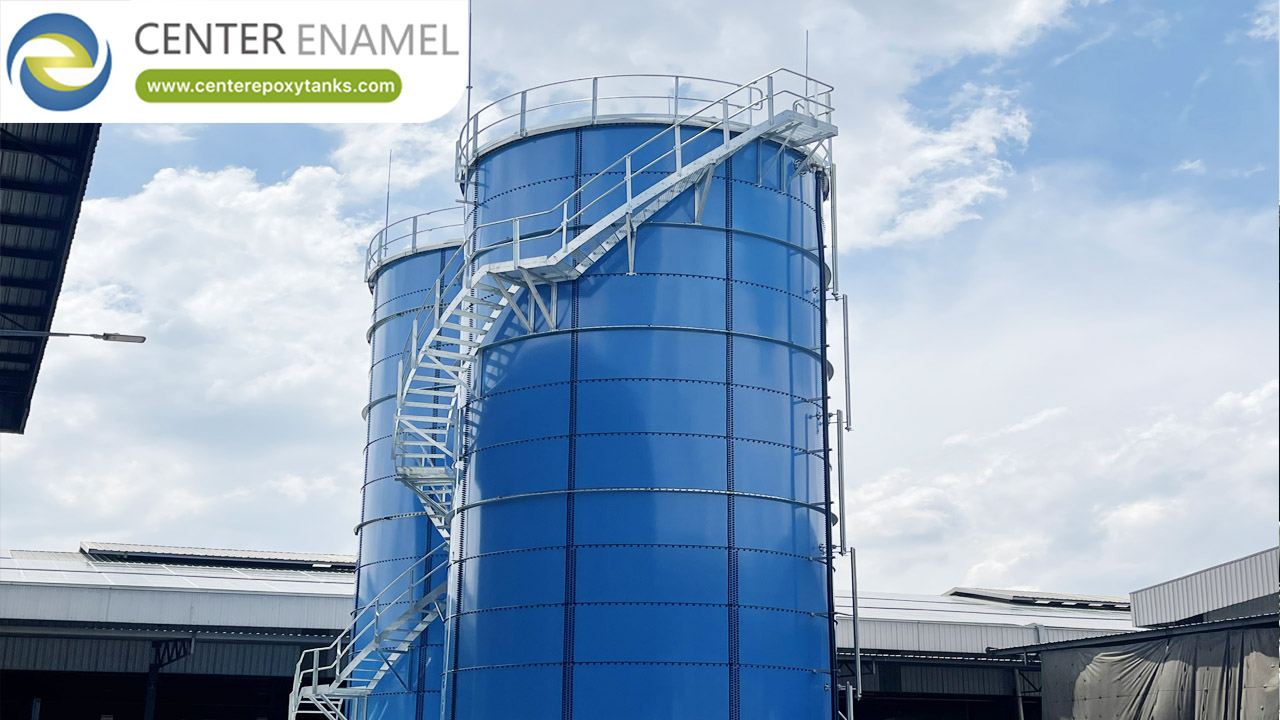
What is a Silage Storage Silo? Design, Fermentation Principles, and Agricultural Uses
A silage storage silo is a specialized agricultural containment structure engineered specifically to store and preserve high-moisture fodder—such as chopped corn, alfalfa, sorghum, and grass—through a process called anaerobic fermentation. Unlike dry grain silos designed to keep moisture out, silage silos are built to maintain an airtight environment where harvested forage can ferment naturally, converting plant sugars into organic lactic acid. This process preserves the nutritional value of the green feed for dairy and beef cattle throughout the winter or dry seasons.
By protecting livestock feed from oxygen exposure, mold contamination, and weather degradation, silage silos serve as a fundamental asset for modern livestock and dairy operations.
How Silage Silos Work (The Fermentation Process)
The primary function of a silage silo is to create and maintain an oxygen-free (anaerobic) environment essential for proper forage preservation:
Harvesting and Chopping: Forage crops are harvested at peak nutritional maturity and finely chopped into uniform pieces to release plant juices and facilitate tight compaction.
Compaction and Sealing: The chopped forage is loaded into the silo and heavily compacted (or hermetically sealed in bags) to expel trapped oxygen.
Bacterial Fermentation: Lactic acid bacteria consume the sugars present in the plant material, producing lactic acid that drops the pH level. This natural acidic environment stabilizes the forage, preventing harmful spoilage bacteria, yeasts, and molds from developing.
Controlled Retrieval: When opened for daily feeding, layers of silage are systematically extracted from the top or face of the silo to minimize oxygen exposure and prevent secondary spoilage.
Primary Types of Silage Storage Systems
Depending on the scale of the farm, capital budget, and operational workflow, silage is typically stored in three major structural configurations:
1. Tower Silos (Upright Silos)
Design: Tall, vertical cylindrical structures constructed from galvanized steel, glass-fused-to-steel, or concrete staves.
Operation: Forage is blown to the top via pneumatic pipes. They provide superior airtight sealing, resulting in minimal dry matter loss.
Application: Ideal for medium-to-large dairy farms seeking high nutritional retention and space-efficient storage.
2. Bunker Silos (Trench Silos)
Design: Horizontal concrete retaining walls built into the ground or on flat concrete pads, forming open-topped trenches.
Operation: Tractors repeatedly drive over the dumped forage to pack it down tightly before the entire mass is covered with heavy plastic sheeting and weighted down.
Application: Perfect for massive, high-volume livestock operations needing fast loading and unloading speeds.
3. Bag Silos (Silo Bags)
Design: Long, heavy-duty polyethylene tubes filled mechanically under high tension.
Operation: Sealed at both ends, creating an inexpensive, flexible hermetic storage environment.
Application: Excellent for temporary harvest overflow or scalable expansion without building permanent structures.
Technical Comparison: Silage Storage Configurations
Silo Parameter / Feature | Tower Silos (Upright) | Bunker Silos (Trench) | Bag Silos (Polyethylene) |
Structural Material | Steel, concrete staves, or glass-fused-to-steel | Heavy-duty reinforced concrete walls | Heavy-duty multi-layer polyethylene film |
Dry Matter Loss Rate | Low (5% - 10%) due to tight sealing | Moderate (12% - 20% due to surface exposure) | Low to Moderate (8% - 15%) |
Initial Capital Cost | Higher investment | Moderate to High (requires concrete pads) | Low initial equipment setup cost |
Primary Operational Scale | Family-to-commercial dairy farms | Large-scale feedlots and industrial dairy farms | Flexible / seasonal overflow management |
Key Benefits of Using Silage Silos
Investing in engineered silage storage infrastructure yields profound operational and nutritional advantages:
Superior Nutritional Preservation: Fermenting forage locks in high protein, energy, and moisture levels, providing livestock with highly palatable feed comparable to fresh pasture during winter months.
Maximized Dry Matter Retention: Airtight sealing minimizes spoilage and nutrient leaching, ensuring that more of the harvested crop actually reaches the animals.
Year-Round Feed Security: Silage silos protect farms from weather-dependent forage shortages, stabilizing milk production and livestock weight gains throughout the year.
Frequently Asked Questions (FAQ)
Q: What is the main purpose of a silage storage silo?
A: A silage storage silo is designed to store high-moisture forage crops under anaerobic (oxygen-free) conditions, allowing natural bacterial fermentation to preserve the feed's nutritional value for livestock.
Q: Why is oxygen exclusion critical in silage storage?
A: Excluding oxygen is essential because it stops aerobic spoilage organisms, molds, and yeasts from growing. Without oxygen, beneficial lactic acid bacteria thrive, lowering the pH and pickling the forage to keep it fresh for months.
Q: What types of crops are commonly stored in silage silos?
A: The most common crops stored as silage include whole-plant corn (maize), alfalfa, sorghum, oats, and various mixed grasses tailored for ruminant animal nutrition.
Q: What is the difference between a tower silo and a bunker silo for silage?
A: A tower silo is a tall, vertical structure that offers excellent airtight sealing and minimal feed loss in a small footprint. A bunker silo is a wide, horizontal concrete trench where forage is compacted by tractors and covered with weighted plastic sheets.


