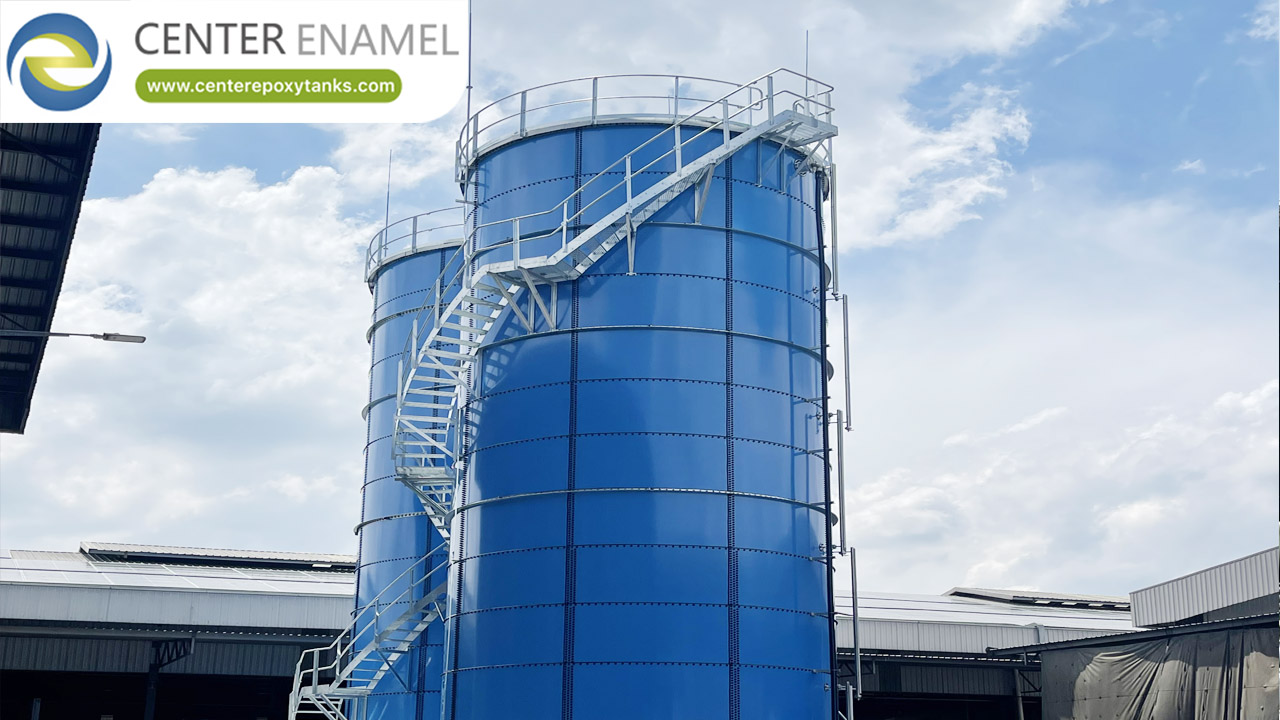
What is a Seed Storage Silo? Design, Function, and Viability Preservation
A seed storage silo is a specialized vertical cylindrical structure engineered specifically to hold and protect agricultural planting seeds—such as corn, wheat, soybean, and vegetable seeds—under tightly controlled environmental conditions. Unlike commercial grain silos designed primarily for food milling or animal feed processing, seed storage silos prioritize preserving the biological viability, germination rates, and vigor of the seeds over extended periods.
Because seeds are living biological entities sensitive to moisture, temperature fluctuations, and fungal growth, seed storage silos incorporate advanced features like smooth-wall interior hygiene, precision aeration, and hermetic sealing to prevent cross-contamination and maintain optimum physiological health.
How Seed Storage Silos Work
Maintaining high germination vigor inside a seed storage silo requires a precise balance of mechanical safety and automated environmental management:
Clean Loading & Handling: Seeds are loaded into the silo using gentle bucket elevators or specialized conveyors designed to minimize mechanical damage to the seed coat.
Hygienic Internal Design: Many modern seed silos feature smooth interior walls (or specialized coatings) rather than traditional corrugated panels, which prevents seeds and dust from lodging in seams and eliminates insect cross-contamination between different seed batches.
Active Aeration and Temperature Control: Integrated ventilation systems circulate conditioned air through the seed mass to keep temperatures stable and prevent respiration heating or moisture migration.
Precision Bagging and Discharge: Seed silos are frequently designed with elevated hopper bottoms and convenient bagging chutes or remote-opening roof lids, allowing operators to safely bag or transfer seeds with minimal contamination risk.
Technical Specifications & Seed Silo Parameters
The data table below outlines the core engineering parameters and operational specifications of modern seed storage silos compared to general commercial grain silos:
Technical Parameter | Seed Storage Silo Specification | Standard Grain Storage Silo |
Primary Objective | Protecting biological viability and germination rates. | Maximize bulk tonnage for milling, feeding, or export. |
Wall Configuration | Smooth-wall interior to prevent residue buildup and seed damage. | Corrugated galvanized steel sheets for high structural tension. |
Capacity Scale | Typically small to medium capacity for batch management. | Massive bulk capacity (thousands of tons). |
Discharge Design | Hopper bottom with gentle slope and bagging chutes. | Gravity flow combined with heavy sweep augers. |
Hygiene Standard | High-sanitation focus to prevent batch cross-contamination. | Standard commercial cleanliness for food/feed. |
Key Benefits of Using Dedicated Seed Silos
Investing in engineered seed storage infrastructure offers substantial operational advantages over generic storage bins:
Preservation of Germination Vigor: Maintaining strict temperature and humidity thresholds ensures that planting seeds retain high viability rates for the next growing season.
Enhanced Silo Hygiene: Smooth-wall engineering and cleanout features eliminate residual grain pockets where insects and fungi breed, protecting pure seed lines.
Reduced Labor and Easy Bagging: Integrated ground-operated controls and specialized bagging outlets make packaging and distributing seed batches fast and safe.
Frequently Asked Questions (FAQ)
Q: What is the main difference between a seed storage silo and a standard grain silo?
A: A seed storage silo is specifically engineered to preserve the biological viability and germination capacity of planting seeds. It often features smooth interior walls for enhanced hygiene and easy batch bagging, whereas standard grain silos focus on bulk tonnage for milling or animal feed.
Q: Why are smooth interior walls important in seed silos?
A: Smooth walls prevent seeds, dust, and residues from getting trapped in structural seams. This self-cleaning property prevents insect breeding and eliminates cross-contamination between different seed varieties or batches.
Q: How do seed silos protect seeds from losing germination power?
A: Seed silos protect germination power by maintaining stable internal temperatures and low moisture levels through automated aeration systems, preventing internal heating, mold growth, and kernel respiration damage.
Q: Can seed storage silos be customized for different crop varieties?
A: Yes. Seed silos are frequently manufactured in modular or custom sizes with specialized hopper angles, outlet heights, and aeration kits tailored to specific crop seeds like corn, soybeans, or wheat.


