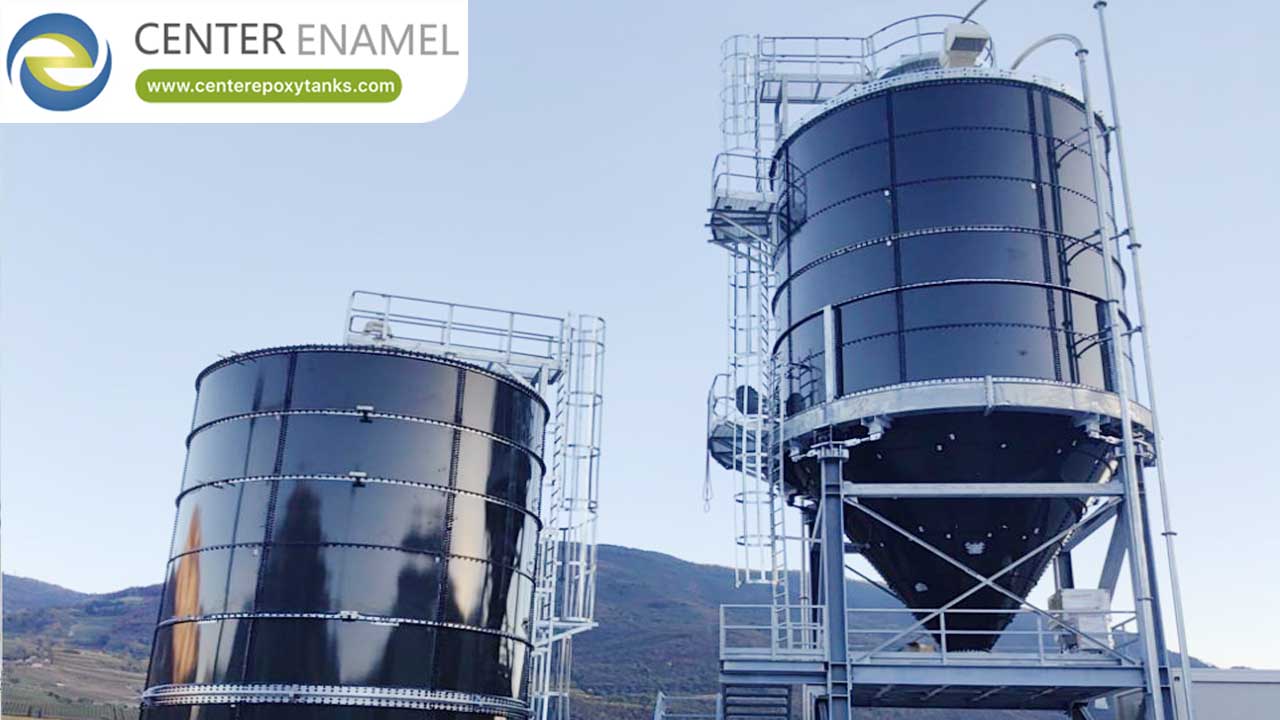
What is a Cement Silo? Design, Working Principles, and Industrial Applications
A cement silo is a massive, vertical cylindrical steel or concrete storage structure engineered specifically to hold bulk powdered materials—such as ordinary Portland cement, fly ash, slag, and lime—in a completely dry, airtight, and contamination-free environment. In the construction industry, ready-mix concrete plants, and civil engineering projects, cement represents a core material that is highly sensitive to moisture; exposure to even trace amounts of humidity causes hydration, leading to hardening and complete material spoilage.
Modern steel cement silos provide an advanced, weather-resistant storage solution equipped with pneumatic loading mechanisms, high-efficiency top dust collectors, and fluidization systems, ensuring seamless material management from delivery to batch mixing.
How Does a Cement Silo Work?
The operation of a cement silo relies on a synchronized sequence of pneumatic transfer, environmental filtration, and automated discharge:
Pneumatic Loading (Filling): Cement is delivered to the site via pressurized bulk tanker trucks. The truck connects its flexible discharge hose to the silo's external fill pipe, using compressed air to blow the fine powder vertically upward into the top of the silo.
Dust Collection and Air Filtration: As the high-pressure air and cement mixture enters the silo, the air separates from the powder and escapes upward through a top-mounted dust collector. Filter bags trap the airborne cement dust and shake it back down into the silo, preventing environmental pollution and material loss.
Storage and Fluidization: Once inside the sealed steel vessel, the dry cement is stored safely away from ambient moisture. Because fine powders tend to pack tightly or bridge, integrated fluidization nozzles or aeration pads mounted near the bottom inject bursts of compressed air into the powder, restoring its liquid-like flow properties.
Controlled Discharge: When cement is required for concrete production, the bottom discharge gate opens, routing the powder into a mechanical screw conveyor or rotary valve. This mechanism precisely meters the flow of cement directly into the batching plant's weigh hopper or mixer.
Technical Specifications & Cement Silo Parameters
The data table below outlines the core engineering parameters, components, and operational features of modern industrial cement silos:
Technical Parameter | Specification / Design Standard | Operational Impact |
Material Construction | Heavy-duty welded or bolted carbon steel plates | Provides high structural rigidity and withstands internal pressures from fine powders. |
Capacity Range | Typically 50 tons to 500+ tons (customizable) | Accommodates short-term mobile plant needs or massive stationary batch facility reserves. |
Dust Collection System | Automated pulse-jet or mechanical shaker bag filters | Captures airborne cement particles during pneumatic loading, ensuring environmental compliance. |
Discharge Mechanism | Bottom cone outlet connected to a screw conveyor | Ensures controlled, continuous feeding of cement into concrete batch mixers. |
Aeration / Fluidization | Solenoid valves connected to bottom air pads | Prevents cement compaction, bridging, and clogging at the conical outlet. |
Key Benefits of Using Modern Cement Silos
Investing in engineered steel cement storage infrastructure provides substantial operational and economic advantages:
Absolute Moisture Protection: Airtight structural sealing prevents rain, dew, and ambient humidity from spoiling the cement, eliminating costly material waste.
Environmental and Site Safety: Integrated dust collection systems eliminate harmful airborne particulate pollution, keeping work sites clean and compliant with environmental regulations.
Seamless Batch Plant Integration: Cement silos coordinate effortlessly with aggregate bins, water weigh systems, and automated control panels to maintain high-speed, accurate ready-mix concrete production.
Frequently Asked Questions (FAQ)
Q: What is the main purpose of a cement silo?
A: A cement silo is designed to store bulk powdered cement safely in a dry, airtight environment, protecting it from moisture contamination and managing material flow for concrete batching plants.
Q: How is cement pumped into a cement silo?
A: Cement is pumped into a silo using pneumatic bulk tanker trucks. The truck uses high-pressure compressed air to blow the fine cement powder vertically through an external fill pipe directly into the top of the silo.
Q: How do cement silos prevent the powder from clogging or bridging?
A: Cement silos utilize aeration systems and fluidization pads installed around the lower conical section. These pads inject compressed air into the powder to loosen it and ensure smooth, continuous gravity flow toward the discharge outlet.
Q: What is the difference between a bolted cement silo and a welded cement silo?
A: A welded cement silo is pre-assembled in a factory and shipped whole, making it ideal for smaller, permanent setups. A bolted cement silo is manufactured in modular panels that are bolted together on-site, offering much lower transportation costs and easier installation for large-capacity or remote projects.


