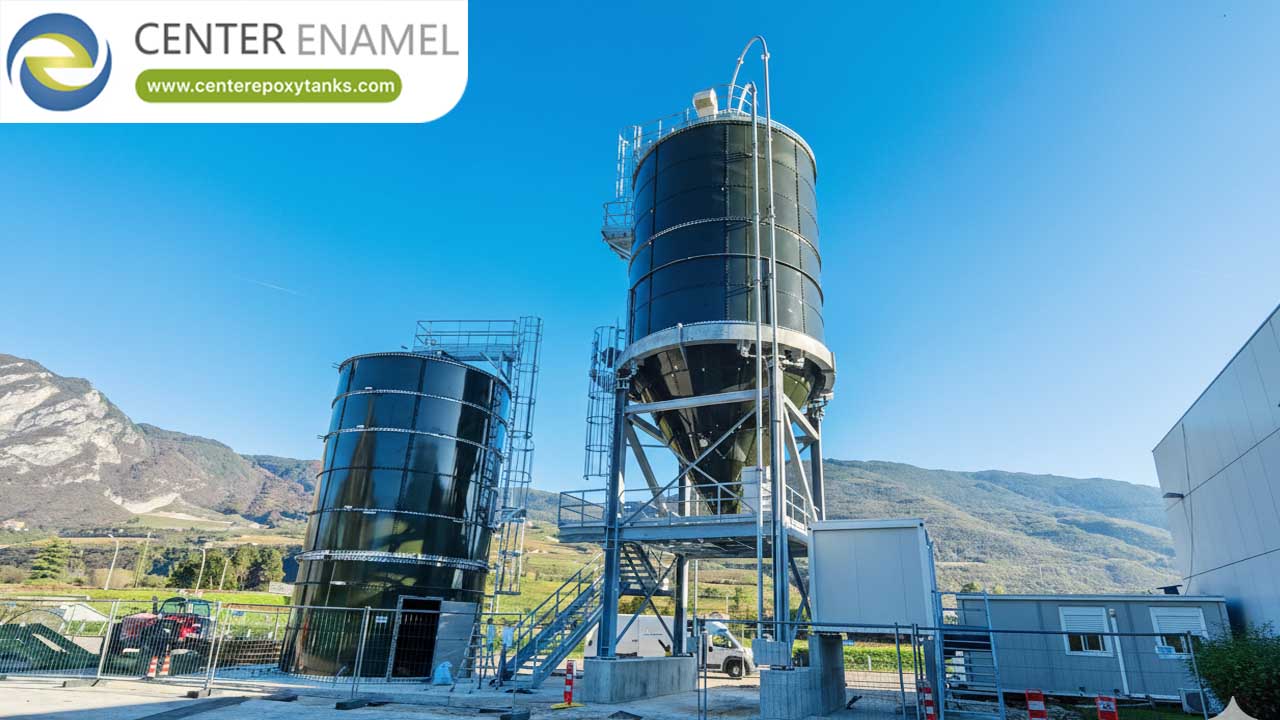
Cement Silo: Structure, Functions & Maintenance: A Comprehensive Guide
A cement silo is a vital heavy-duty industrial storage structure engineered to hold bulk powdered materials—such as ordinary Portland cement, fly ash, slag, and lime—in a completely dry, airtight environment. Because cement is highly reactive to moisture, industrial facilities, ready-mix concrete batching plants, and civil construction sites rely heavily on engineered silos to prevent material hydration, caking, and costly waste.
Understanding the internal anatomy, operational workflows, and preventive maintenance protocols of a cement silo is essential for ensuring continuous plant productivity, environmental compliance, and structural longevity.
Structural Anatomy of a Cement Silo
A modern industrial cement silo is an assembly of specialized mechanical and structural components working in unison:
Cylindrical Steel Body: Fabricated from high-tensile carbon steel plates (either welded for fixed stationary units or bolted for modular transport), designed to withstand massive outward lateral pressures from fine powders.
Conical Hopper Base: Sloped at an engineered angle (typically 45° to 60°) to direct stored powder smoothly toward the center discharge outlet via gravity.
Top Dust Collector (Bag Filter): Mounted on the roof to capture airborne cement particles during pneumatic loading, preventing dust pollution and material loss.
Pressure Relief Valve: A critical safety device installed on the roof to prevent over-pressurization or vacuum collapse during high-speed pneumatic filling or discharging.
Fluidization / Aeration System: Solenoid-controlled air pads or nozzles positioned around the lower cone that inject compressed air into the cement powder to restore its fluid flow properties.
Discharge Gateway and Screw Conveyor: Located at the bottom outlet to precisely meter and transfer cement into weigh hoppers or batch mixers.
Core Functions of a Cement Silo
Cement silos perform several critical operational roles within a concrete production facility:
Moisture-Free Bulk Storage: They maintain an airtight seal that shields hydroscopic cement powders from rain, dew, and ambient humidity, preventing premature hardening.
Pneumatic Bulk Loading: They receive high-pressure pneumatic deliveries directly from tanker trucks, utilizing internal expansion chambers to separate air from powder safely.
Dust Emission Control: By combining top filter systems with sealed transfer pipes, silos ensure that fine particulate matter does not escape into the surrounding work environment.
Automated Metering and Feeding: They integrate smoothly with electronic load cells and screw conveyors to supply exact quantities of cement required for concrete batch mixing.
Essential Cement Silo Maintenance Best Practices
To prevent unexpected downtime, structural degradation, and material blockages, cement silos require a disciplined maintenance schedule:
Dust Filter Inspection: Clean or replace top dust collector filter bags regularly. Clogged filters restrict air release, leading to dangerous over-pressurization during truck filling.
Pressure Relief Valve Testing: Periodically test the mechanical pressure relief hatch to ensure it opens freely and seals properly under normal operating pressures.
Aeration and Air Pad Checks: Inspect solenoid valves and air compressors to ensure moisture-free compressed air is reaching the bottom fluidization pads, preventing powder bridging and clogging.
Structural Sealing and Corrosion Control: Inspect exterior protective coatings, roof gaskets, and bolted panel seams annually to prevent rainwater ingress and structural rust.
Technical Maintenance & Component Matrix
Silo Component | Structural / Functional Role | Recommended Maintenance Interval |
Top Dust Collector Filters | Captures cement dust during pneumatic truck filling | Monthly inspection / cleaning; replace annually |
Pressure Relief Valve | Prevents tank over-pressurization or vacuum failure | Bi-monthly physical and operational check |
Fluidization Air Pads | Injects air to loosen packed powder and prevent bridging | Quarterly check of lines, valves, and moisture traps |
Bottom Discharge Gate & Valve | Controls material flow into the batching screw conveyor | Monthly lubrication and seal verification |
Steel Shell & Bolted Seams | Structural containment vessel protecting cement from weather | Semi-annual visual check for rust and gasket leaks |
Frequently Asked Questions (FAQ)
Q: What are the main structural parts of a cement silo?
A: The main parts include the cylindrical steel body, conical hopper base, roof-mounted dust collector, pressure relief safety valve, bottom fluidization aeration pads, and the discharge screw conveyor.
Q: How do you prevent cement from caking or bridging inside the silo?
A: Cement caking and bridging are prevented by keeping the silo strictly airtight to block moisture, and by utilizing bottom aeration pads (fluidization systems) that inject compressed air to loosen the powder.
Q: Why is a top dust collector essential for a cement silo?
A: A top dust collector filters out airborne cement particles when bulk tanker trucks pump powder into the silo using high-pressure air, preventing environmental pollution and costly material loss.
Q: How often should a cement silo undergo professional maintenance?
A: Routine visual checks and filter cleanings should be performed monthly, while comprehensive structural inspections, pressure relief valve tests, and aeration system servicing should be conducted quarterly or semi-annually.


