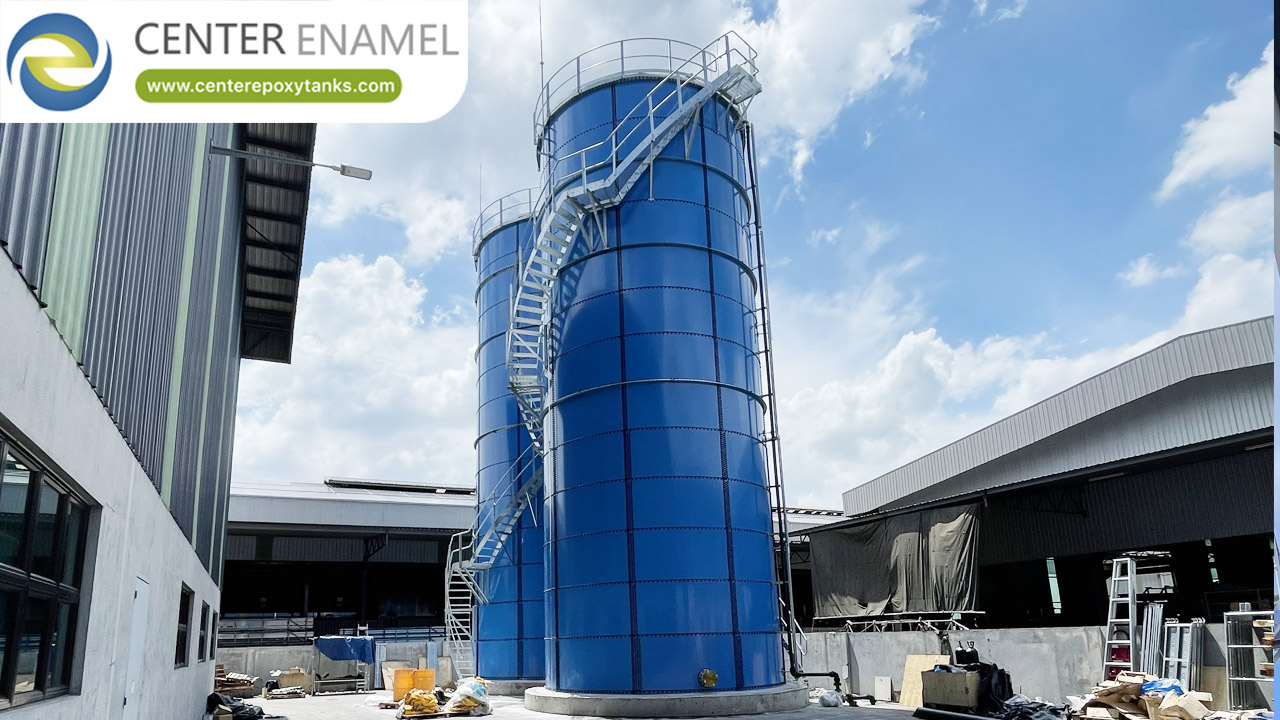
Types of Cement Silos: A Comprehensive Guide to Industrial Powder Storage
Cement silos are essential assets in the construction, civil engineering, and ready-mix concrete industries. Designed to store bulk powdered materials—such as ordinary Portland cement, fly ash, slag, and lime—in a dry, contamination-free environment, these vessels vary significantly in configuration. Selecting the right silo type depends heavily on project duration, storage capacity requirements, spatial constraints, and site mobility needs.
Major Categorizations and Types of Cement Silos
Cement silos are broadly classified based on their structural orientation, manufacturing method, and portability:
1. Vertical vs. Horizontal Silos
Vertical Cement Silos: Featuring a tall, cylindrical body and a conical bottom hopper, vertical silos utilize height to maximize storage capacity while maintaining a compact ground footprint. They require a sturdy reinforced concrete foundation and are ideal for permanent or long-term stationary batching plants.
Horizontal Cement Silos (Low-Profile Silos): Designed as low-profile rectangular or horizontal cylinders, these silos have a low center of gravity and are supported by heavy-duty steel skid frames. They eliminate the need for deep concrete foundations and allow ground-level access for maintenance, making them ideal for space-restricted or urban construction sites.
2. Welded vs. Bolted Silos (Manufacturing Method)
Welded Cement Silos: Fabricated as a single, pre-assembled piece in a factory using continuous steel welding. They offer exceptional structural sealing and are quick to deploy on-site, though their transport size is limited by highway clearance regulations.
Bolted Cement Silos: Manufactured in modular, prefabricated steel panels that are bolted together on-site using high-tensile fasteners and weather-tight gaskets. Their modular design allows multiple units to fit inside standard shipping containers, drastically reducing long-distance and international transportation costs for large-scale capacities.
3. Stationary vs. Mobile Silos
Stationary Silos: Large-capacity permanent structures engineered for long-term industrial production facilities, commercial ready-mix plants, and precast concrete operations.
Mobile (Portable) Silos: Equipped with built-in trailer wheels, axles, or structural lift points designed for contractors who frequently relocate between short-term job sites, highway projects, or rural construction zones.
Comparative Matrix: Types of Cement Silos
Silo Type | Structural Configuration | Primary Advantage | Best Suited For |
Vertical Stationary Silo | Tall vertical cylinder on a conical hopper base | Massive storage capacity within a small footprint | Permanent ready-mix plants, large commercial hubs |
Bolted Modular Silo | Prefabricated panels assembled on-site via bolts | Low shipping costs and scalable large capacities | Export projects, long-term regional batch plants |
Horizontal Low-Profile Silo | Low horizontal rectangular structure on a skid | Easy transport, minimal foundation work required | Mobile job sites, height-restricted urban areas |
Mobile / Portable Silo | Trailer-mounted or towable steel structure | Rapid setup and unmatched relocation flexibility | Short-term civil projects, highway construction |
Frequently Asked Questions (FAQ)
Q: What is the main difference between a vertical and a horizontal cement silo?
A: A vertical cement silo uses height to store massive amounts of cement within a small footprint, requiring a solid concrete foundation. A horizontal silo has a low-profile design layout, offers high portability, and requires little to no permanent foundation work.
Q: When should I choose a bolted cement silo instead of a welded silo?
A: Bolted silos are ideal for large-capacity projects or international shipments because their modular panels can be packed into standard shipping containers, saving significantly on freight costs. Welded silos are better suited for smaller capacities where pre-assembled, instant-ready delivery is preferred.
Q: Are horizontal cement silos easy to relocate between job sites?
A: Yes. Horizontal cement silos are specifically engineered for mobility. They can often be loaded directly onto a flatbed truck or transport trailer without disassembly, making them perfect for contractors who move frequently.
Q: What materials besides cement can be stored in these silos?
A: In addition to ordinary Portland cement, industrial silos are widely used to store other dry, fine powders such as fly ash, ground granulated blast-furnace slag (GGBFS), silica fume, and hydrated lime.


