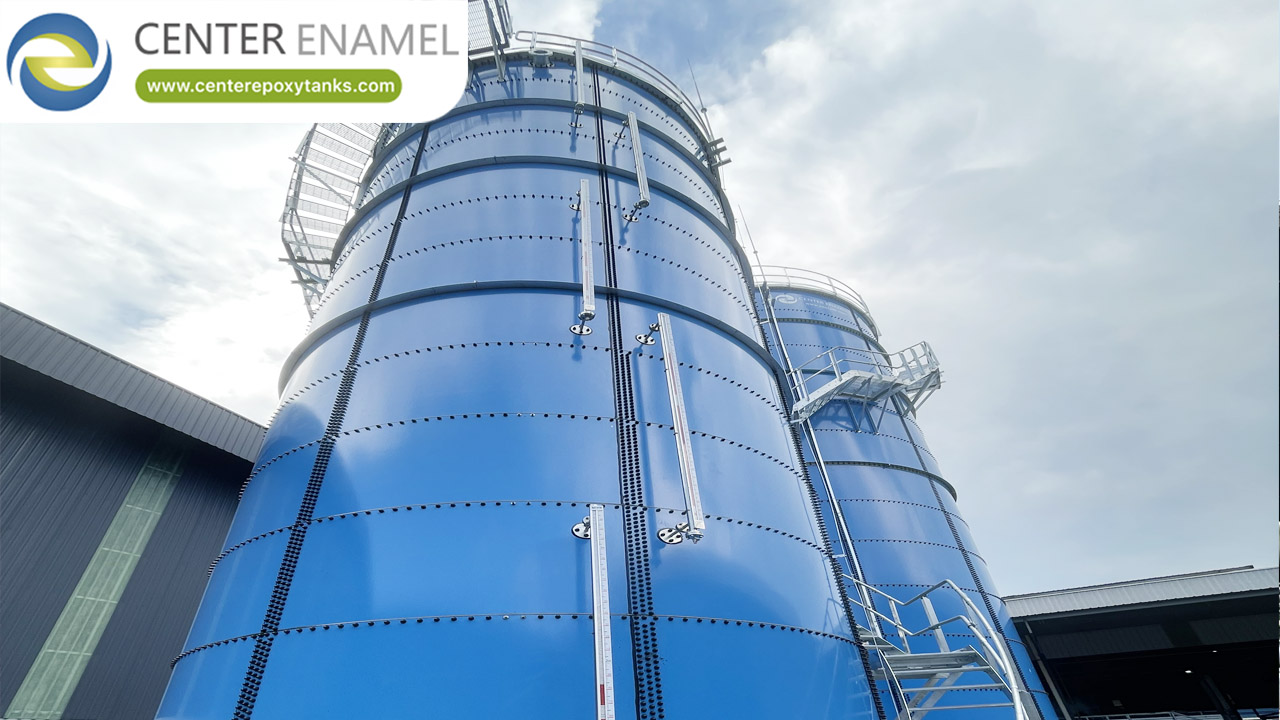
What Is a Cement Silo and What Are Concrete Silos Used For?
A cement silo is a heavy-duty industrial storage vessel engineered specifically to hold bulk powdered materials—such as ordinary Portland cement, fly ash, slag, and lime—in a completely dry, airtight, and contamination-free environment. Because cement is highly hydroscopic, exposure to moisture causes immediate hydration, leading to hardening and complete material spoilage.
Understanding what cement silos are and what concrete silos are used for highlights their indispensable role in modern civil engineering, infrastructure development, and commercial construction.
What Is a Cement Silo?
A cement silo functions as a large-scale containment and metering system. Structurally, it consists of a tall vertical cylinder (or horizontal low-profile frame) built from high-tensile steel or reinforced concrete, terminating in a conical hopper base.
Modern cement silos are equipped with advanced auxiliary systems:
Pneumatic Fill Pipes: Allow bulk tanker trucks to pump fine powder vertically into the tank using compressed air.
Top Dust Collectors: Filter bag systems that capture airborne cement particles during loading, preventing environmental pollution.
Aeration & Fluidization Pads: Solenoid-controlled air jets that loosen packed powder, preventing bridging and ensuring smooth gravity discharge.
What Are Concrete Silos Used For? (Core Applications)
Cement and concrete storage silos are deployed across diverse sectors of the construction and manufacturing industries. Their primary applications include:
1. Ready-Mix Concrete Batching Plants
The most common use of cement silos is in stationary and mobile ready-mix concrete plants. The silo stores massive reserves of cement powder, discharging precise quantities via screw conveyors directly into batch mixers where it is combined with aggregates and water to produce high-specification concrete.
2. Large-Scale Infrastructure and Civil Projects
Major civil projects—such as highway paving, bridge construction, dam building, and tunnel engineering—require continuous, high-volume concrete production on-site. Mobile or bolted cement silos provide a reliable, weatherproof supply of binder material right where it is needed.
3. Precast Concrete Manufacturing Facilities
Precast factories produce standardized structural elements like concrete pillars, wall panels, and pipes. Dedicated cement silos ensure a seamless, uninterrupted supply of binder material to maintain automated casting lines.
4. Industrial Mineral and Byproduct Storage
Beyond ordinary Portland cement, these silos are widely used to store alternative cementitious materials and industrial powders, such as:
Fly Ash: A coal combustion byproduct used as a supplementary cementitious material.
Ground Granulated Blast-Furnace Slag (GGBFS): Used to enhance concrete durability.
Hydrated Lime and Silica Fume: Specialized chemical additives for mortar and high-strength concrete mixes.
Technical Specifications & Application Matrix
Application Sector | Typical Silo Type | Primary Stored Material | Core Operational Function |
Ready-Mix Plants | Vertical Welded or Bolted Silo | Portland Cement, Fly Ash | High-capacity bulk storage for daily batching operations |
Highway & Bridge Sites | Mobile / Portable Silo | Cement Powder | Rapid on-site setup and easy relocation between short-term job sites |
Urban Construction | Horizontal Low-Profile Silo | Cement, Mineral Powders | Space-saving design for height-restricted urban or tight job sites |
Precast Factories | Stationary Industrial Silo | Cement, Slag, Additives | Continuous, automated feeding into precast manufacturing lines |
Key Benefits of Using Cement Silos
Complete Moisture Protection: Airtight structural sealing prevents rain, dew, and ambient humidity from spoiling the cement, eliminating costly material waste.
Dust Control and Environmental Compliance: Integrated pulse-jet bag filters capture fine particulate matter, keeping work sites clean and compliant with environmental regulations.
Automated Material Metering: Silos integrate effortlessly with electronic weighing scales and automated plant control panels to ensure precise mix designs.
Frequently Asked Questions (FAQ)
Q: What is a cement silo primarily used for?
A: A cement silo is used to store bulk powdered cement and supplementary materials (like fly ash and slag) in a dry, airtight environment, protecting them from moisture and feeding them into concrete batching operations.
Q: Why are concrete silos important in construction?
A: They provide a continuous, reliable supply of binder material, eliminate bag waste, prevent weather-related spoilage, and enable high-speed automated production of ready-mix concrete for infrastructure projects.
Q: How does cement get into a cement silo?
A: Cement is delivered by specialized pneumatic tanker trucks. The truck connects a flexible hose to the silo's fill pipe and uses high-pressure compressed air to blow the fine powder vertically into the top of the silo.
Q: Can cement silos store materials other than cement?
A: Yes. In addition to Portland cement, these silos are widely used to store industrial powders such as fly ash, lime, silica fume, gypsum, and ground granulated blast-furnace slag.


