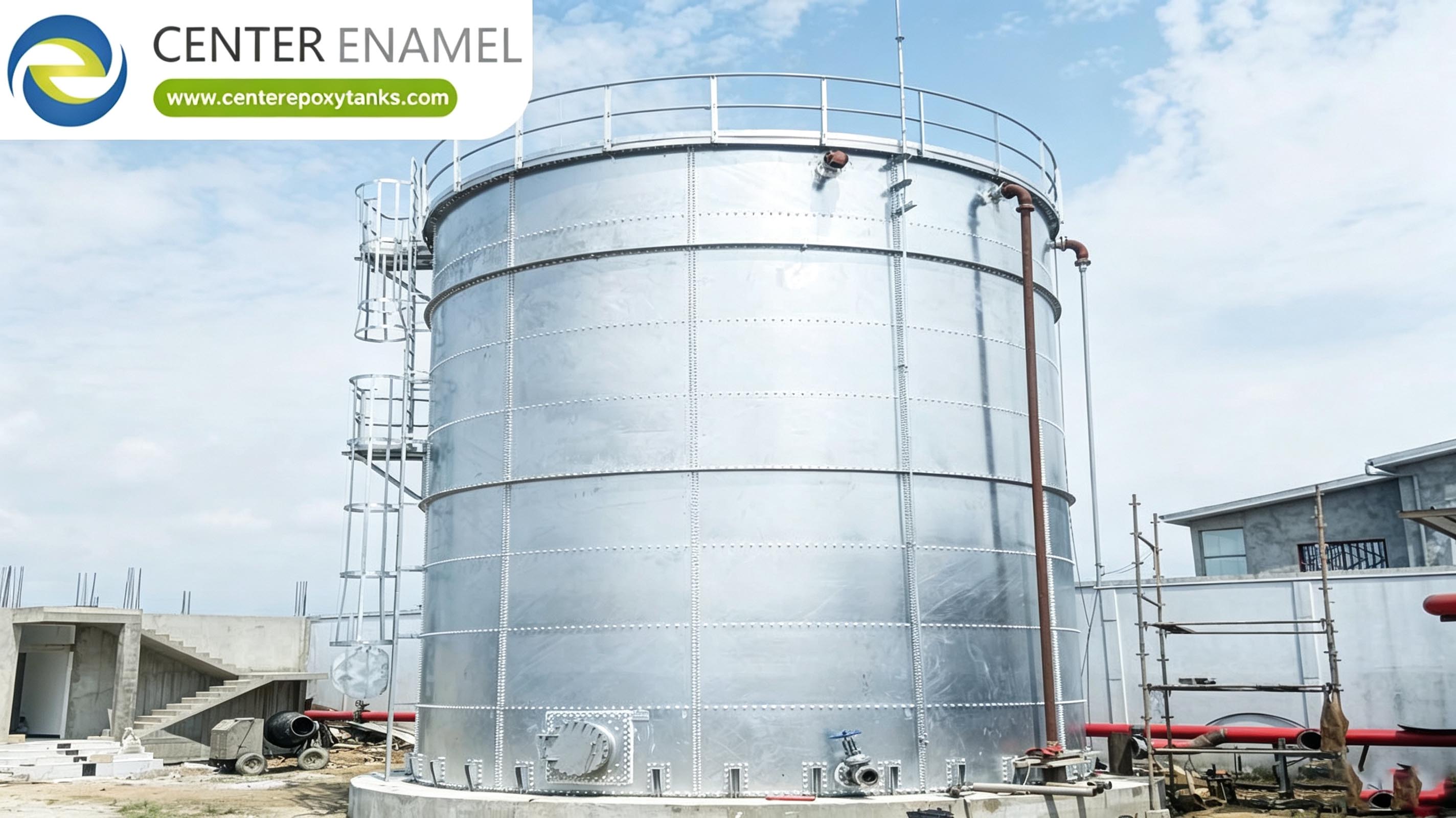
Fly Ash Silo Design & Customization Guide: How to Build an Efficient Bulk Storage System
Fly ash—a fine, abrasive byproduct of pulverized coal combustion utilized extensively in concrete manufacturing, cement plants, and civil infrastructure—presents unique bulk handling challenges. Because fly ash is highly hygroscopic, fine-grained, and prone to severe compaction, standard storage bins frequently suffer from bridging, ratholing, and material caking.
Designing an efficient fly ash silo requires a precise balance of geotechnical engineering, geometric optimization, and advanced pneumatic fluidization systems. This guide explores the critical design parameters, structural requirements, and customization options necessary to build a high-performance fly ash storage facility.
Core Engineering & Design Parameters for Fly Ash Silos
Engineers must account for the specific physical properties of fly ash when calculating structural loads and discharge dynamics:
Bulk Density & Flow Properties: Fly ash typically exhibits a loose bulk density ranging from 600 to 900kg/m3 and an internal friction angle of 30C to 45C. Its high cohesion causes it to pack tightly under its own weight.
Mass-Flow Geometry: To prevent stagnant dead zones and material segregation, silos are engineered for mass flow rather than funnel flow. Achieving mass flow requires steep hopper wall angles (60° to 70° from the horizontal) combined with low-friction interior surfaces like epoxy coatings or UHMWPE liners.
Structural Load Calculations: Wall thickness and reinforcement must withstand intense vertical friction loads and lateral pressure spikes during discharge. Calculations typically rely on Janssen's theory or Finite Element Analysis (FEA) to manage hoop tensions and ring beam stresses.
Customization Features for Maximum Operational Efficiency
To ensure seamless material intake, storage, and discharge, modern fly ash silos incorporate several specialized customization modules:
Aeration and Fluidization Systems: Positioned around the lower conical hopper, air pad diffusers or fluidized aeration bars inject regulated, dry, low-pressure air into the ash. This creates an air-cushion film that breaks cohesive bonds, prevents bridging, and ensures smooth mass-flow discharge into screw conveyors or pneumatic lines.
Advanced Dust Collection and Emission Control: Because fly ash is extremely fine and dusty, high-efficiency pulse-jet bag filters mounted on the silo roof capture airborne particles during high-pressure pneumatic truck loading, ensuring strict environmental compliance (often 10 mg/m3).
Pressure Safety Relief Valves: Critical safety hatches installed on the roof protect the structural integrity of the shell against accidental over-pressurization or vacuum collapse during filling and emptying cycles.
Integrated Monitoring Instrumentation: Digital level sensors, temperature-humidity probes, and pressure sensors are embedded to provide real-time telemetry via PLC control systems.
Technical Specifications & Silo Design Matrix
Design Parameter / Feature | Engineering Specification | Operational Objective |
Hopper Angle | 60° to 70° from horizontal | Promotes natural mass flow and eliminates wall clinging or dead zones. |
Fluidization Setup | Cone air pads, silicon carbide, or polyester canvas aeration bars | Injects regulated air to break compacted powder bridges and stabilize discharge. |
Dust Filtration | Roof-mounted pulse-jet bag filter system | Prevents fugitive dust emissions and material loss during pneumatic loading. |
Structural Material | Welded/bolted high-tensile steel or reinforced concrete | Withstands heavy vertical loads and lateral pressures dictated by Janssen's theory. |
Discharge Interface | Rotary airlocks, screw conveyors, or pneumatic air slides | Ensures metered, dust-tight transfer to transport vehicles or process lines. |
Frequently Asked Questions (FAQ)
Q: Why does fly ash require specialized silo design compared to ordinary cement?
A: While both are fine industrial powders, fly ash exhibits higher aeration sensitivity, variable unburned carbon content, and strong cohesive compaction tendencies. Without steep mass-flow hoppers and targeted fluidization pads, fly ash easily bridges and blocks discharge outlets.
Q: What is the purpose of aeration pads in a fly ash silo?
A: Aeration pads inject regulated, dry low-pressure air into the lower cone zone to fluidize the stored ash. This reduces internal friction, breaks up compacted material arches, and ensures smooth, consistent flow into downstream conveyors.
Q: How do you prevent dust pollution during fly ash loading?
A: Dust pollution is controlled using a high-efficiency pulse-jet dust collector mounted on the silo roof. As pneumatic tanker trucks blow fly ash into the silo, the filter bags capture fine airborne particles while allowing clean air to vent safely.
Q: Should I choose a welded steel, bolted steel, or concrete fly ash silo?
A: The choice depends on project scale and duration. Bolted and welded steel silos offer faster installation, lower total investment costs, and superior moisture-sealed performance, whereas massive concrete silos are typically selected for permanent, ultra-high-capacity power plant applications.


