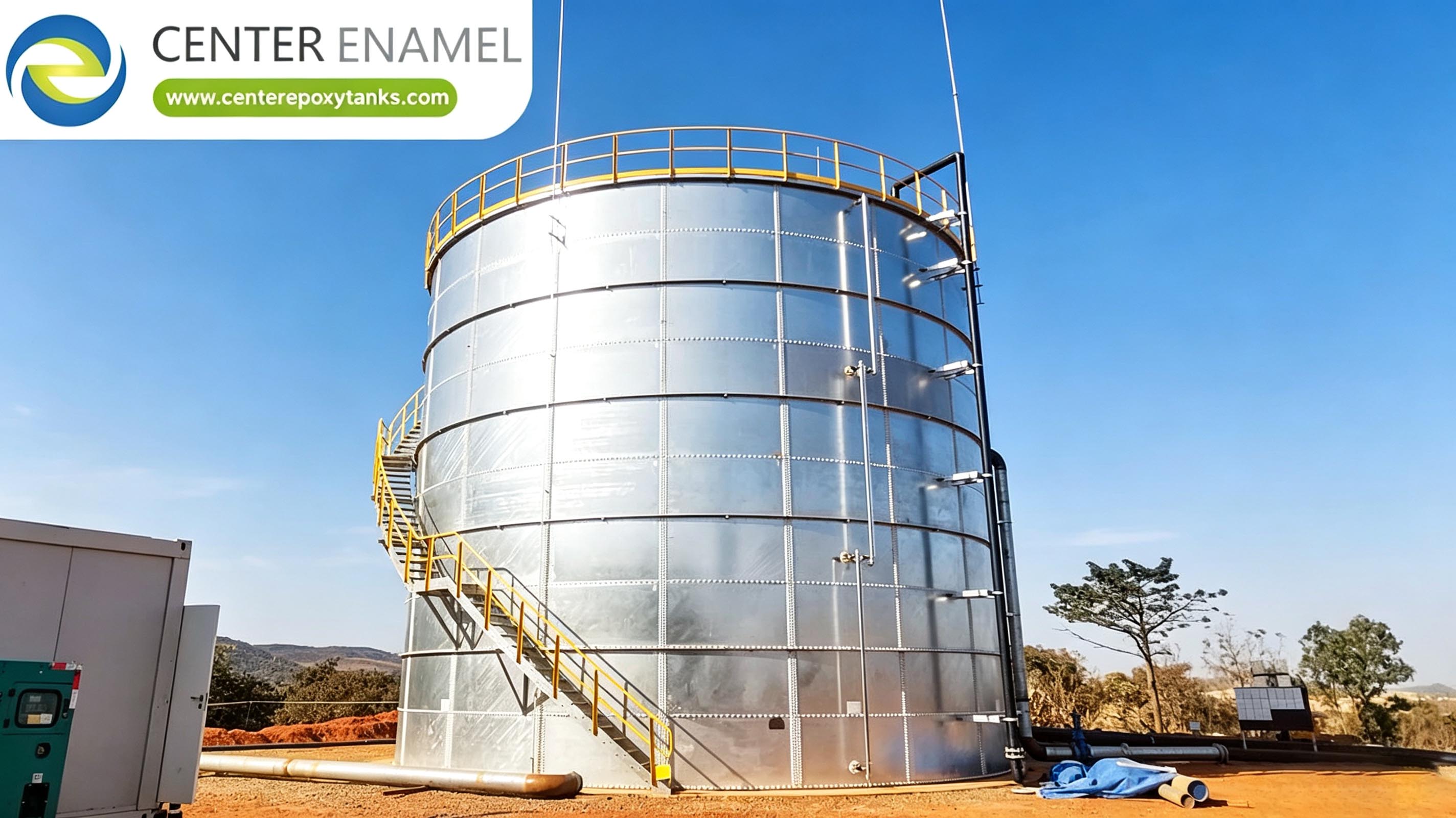
What is a Fly Ash Silo? Design, Function, and Industrial Uses
A fly ash silo is a heavy-duty industrial storage vessel engineered specifically to hold bulk quantities of fly ash—a fine, powdery byproduct generated from pulverized coal combustion in thermal power plants—in a completely dry, airtight, and contamination-free environment. Because fly ash is highly hygroscopic and fine-grained, exposure to moisture causes rapid hardening and severe material spoilage, while improper handling leads to fugitive dust emissions.
Modern steel fly ash silos provide an advanced containment solution equipped with pneumatic loading systems, high-efficiency top dust collectors, and fluidization aeration pads, ensuring seamless powder management for concrete manufacturing, cement plants, and civil infrastructure projects.
How a Fly Ash Silo Works
Storing and managing fly ash inside a large-scale steel silo involves a synchronized sequence of pneumatic transfer, environmental filtration, and active flow control:
Pneumatic Bulk Loading: Fly ash is transported to the site by pneumatic tanker trucks. The truck connects a flexible discharge hose to the silo's external fill pipe, utilizing high-pressure compressed air to blow the fine powder vertically upward into the top of the vessel.
Dust Filtration and Emission Control: As the high-pressure air and fly ash mixture enters the silo, the air separates from the powder and escapes upward. A roof-mounted pulse-jet bag filter captures airborne ash particles, shaking them back down into the tank to eliminate environmental pollution.
Hermetic Storage and Moisture Protection: Once inside the welded or bolted steel shell, the dry fly ash is completely isolated from ambient humidity, rain, and dew, preventing premature hydration and caking.
Fluidization and Flow Activation: Because fly ash compacts tightly and tends to bridge over discharge outlets, integrated fluidization air pads mounted around the lower cone inject regulated, dry, low-pressure air into the powder, restoring its fluid-like state for smooth gravity flow.
Controlled Metering and Discharge: The aerated powder flows through the bottom cone outlet into mechanical screw conveyors, rotary airlocks, or pneumatic air slides, transferring the fly ash precisely into batch mixers or transport vehicles.
Technical Specifications & Silo Parameters
The data table below outlines the core engineering parameters, components, and operational features of modern industrial fly ash silos:
Technical Parameter | Specification / Design Standard | Operational Impact |
Material Construction | Heavy-duty welded or bolted carbon steel plates | Provides high structural rigidity and withstands lateral pressures from fine powders. |
Hopper Base Angle | 60 ° to 70 ° from horizontal | Promotes natural mass flow and eliminates dead zones or wall clinging. |
Dust Collection System | Automated pulse-jet bag filter unit | Captures fine ash particles during pneumatic truck loading, ensuring zero-emission compliance. |
Fluidization System | Solenoid valves and cone air pads | Injects dry air to break compacted powder arches and ensure smooth discharge. |
Safety Equipment | Roof pressure relief valve | Protects the silo structure against over-pressurization or vacuum collapse. |
Key Benefits of Using Dedicated Fly Ash Silos
Investing in engineered steel fly ash storage infrastructure provides substantial operational and economic advantages:
Complete Moisture Protection: Airtight structural sealing prevents rain, dew, and ambient humidity from spoiling the fly ash, eliminating costly material waste.
Environmental and Site Safety: Integrated pulse-jet filtration systems eliminate harmful airborne particulate pollution, keeping work sites clean and compliant with environmental regulations.
Seamless Batch Plant Integration: Fly ash silos coordinate effortlessly with cement silos, aggregate bins, and automated control panels to maintain high-speed, accurate concrete mix designs.
Frequently Asked Questions (FAQ)
Q: What is a fly ash silo used for?
A: A fly ash silo is used to store bulk powdered fly ash (a byproduct of coal combustion) in a dry, airtight environment, protecting it from moisture and feeding it into concrete batching plants, cement production, and civil engineering projects.
Q: Why does fly ash require specialized silo design compared to grain?
A: Fly ash is an extremely fine, cohesive, and abrasive powder that packs tightly and bridges easily. It requires specialized mass-flow hoppers (60 ° to 70 ° angles), fluidization air pads, and top dust collectors, whereas grain silos focus on general bulk volumetric storage and active aeration cooling.
Q: How do you prevent fly ash from clogging or bridging inside the silo?
A: Fly ash bridging is prevented by keeping the silo strictly airtight to block moisture, and by utilizing bottom aeration pads (fluidization systems) that inject compressed air into the powder to loosen it and ensure smooth gravity flow.
Q: How is dust controlled when filling a fly ash silo?
A: Dust is controlled using a high-efficiency pulse-jet dust collector installed on the silo roof. As pneumatic tanker trucks pump ash into the tank, the filter bags trap airborne particles while allowing clean air to vent safely.


