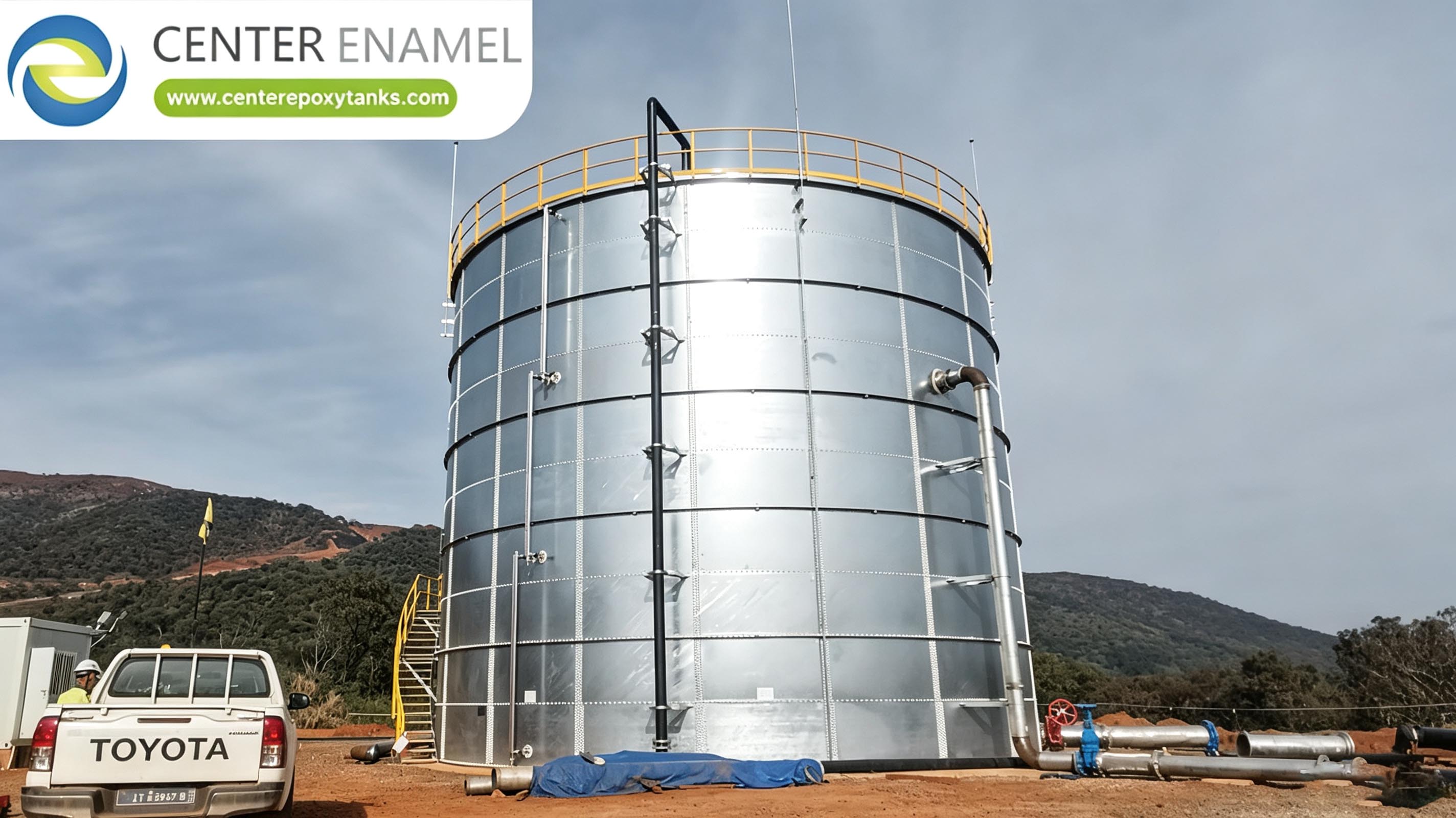
Everything You Need to Know About Hydrated Lime Silos: Design, Safety & Industrial Applications
A hydrated lime silo is an advanced, heavy-duty industrial storage vessel engineered specifically to hold bulk quantities of calcium hydroxide (CaOH2) powder safely, cleanly, and under dry conditions. Widely utilized in water and wastewater treatment, flue gas desulfurization (FGD), soil stabilization, and chemical processing, hydrated lime presents unique handling challenges. It is a fine, alkaline, and mildly corrosive powder that can pack tightly, bridge over outlets, and react adversely with atmospheric moisture or carbon dioxide.
Modern industrial lime silos provide a hermetically sealed, chemically protected environment equipped with pneumatic loading systems, high-efficiency dust filters, and specialized fluidization hardware to ensure reliable powder management.
Why Hydrated Lime Requires Specialized Silo Engineering
Unlike inert bulk powders like standard sand or aggregate, hydrated lime possesses chemical properties that demand specialized structural engineering:
Alkaline Corrosiveness: Calcium hydroxide is strongly alkaline and can accelerate the corrosion of standard carbon steel if exposed to moisture. Silos storing lime often feature specialized internal epoxy coatings, stainless steel contact points, or glass-fused-to-steel panels to prevent wall degradation.
Moisture and Carbonation Sensitivity: If ambient humidity or moisture enters the silo, hydrated lime can cake, harden, or react with carbon dioxide to revert back into calcium carbonate (limestone), destroying the active chemical product.
Cohesive Flow Tendencies: Fine lime powder tends to interlock and compact under its own weight, causing bridging and ratholing over discharge openings unless active flow-aid systems are integrated.
How a Hydrated Lime Silo Works
Operating a dry chemical lime storage facility involves a tightly controlled sequence of pneumatic transfer, environmental safety filtration, and metered discharge:
Pneumatic Loading: Delivery trucks pump bulk hydrated lime powder vertically through an external fill pipe into the top of the silo using high-pressure compressed air.
Dust Control and Filtration: A roof-mounted pulse-jet bag filter captures airborne lime dust as the air escapes, dropping the fine particles back into the tank to protect workers and maintain environmental compliance.
Fluidization and Discharge: Integrated low-pressure air pads inject dry air into the lower conical hopper, breaking up compacted powder layers and ensuring smooth mass flow into downstream chemical feeders or slurry mix tanks.
Technical Specifications & Silo Parameters Matrix
Design Parameter / Feature | Engineering Specification | Operational Impact |
Internal Wall Protection | Specialized chemical-resistant epoxy or glass-fused-to-steel | Prevents alkaline corrosion from wet or reactive calcium hydroxide. |
Hopper Base Angle | 60 °to 70 ° from horizontal | Promotes natural mass flow, eliminating powder bridging and wall sticking. |
Dust Filtration System | Roof-mounted pulse-jet baghouse filter | Captures fine alkaline dust particles during pneumatic tanker truck loading. |
Flow Activation Hardware | Solenoid-controlled cone air pads or aeration nozzles | Injects dry air to loosen packed lime powder and stabilize discharge rates. |
Safety Relief Equipment | Roof pressure/vacuum relief valve | Protects the structural shell against over-pressurization during pneumatic filling. |
Key Benefits of Dedicated Hydrated Lime Storage
Prevention of Chemical Degradation: Airtight sealing and moisture barriers keep the calcium hydroxide dry and reactive, ensuring maximum chemical efficiency in industrial processes.
Operator Safety and Cleanliness: Hermetically sealed loading and discharge pathways eliminate hazardous dust exposure for plant personnel.
Accurate Process Integration: Modern lime silos connect seamlessly with volumetric screw feeders and dissolving tanks to deliver precise chemical dosing for water treatment and flue gas scrubbing.
Frequently Asked Questions (FAQ)
Q: What is a hydrated lime silo used for?
A: A hydrated lime silo is used to store bulk calcium hydroxide powder safely in a dry, airtight environment, protecting it from moisture and feeding it into municipal water treatment plants, industrial scrubbers, and soil stabilization processes.
Q: Why do hydrated lime silos require special corrosion protection?
A: Hydrated lime is a fine, alkaline chemical powder. When exposed to any trace of moisture, it becomes corrosive to standard carbon steel, requiring specialized protective interior coatings or corrosion-resistant materials like glass-fused-to-steel.
Q: How do you prevent hydrated lime powder from caking inside the silo?
A: Lime caking is prevented by maintaining a strictly airtight structural seal to block ambient humidity and by utilizing bottom aeration pads (fluidization systems) that inject dry compressed air to keep the powder loose and free-flowing.
Q: How is dust controlled when filling a lime silo?
A: Dust is controlled using a high-efficiency pulse-jet bag filter mounted on the silo roof. As pneumatic delivery trucks pump lime into the vessel, the filters trap airborne dust particles while allowing clean air to vent safely.


