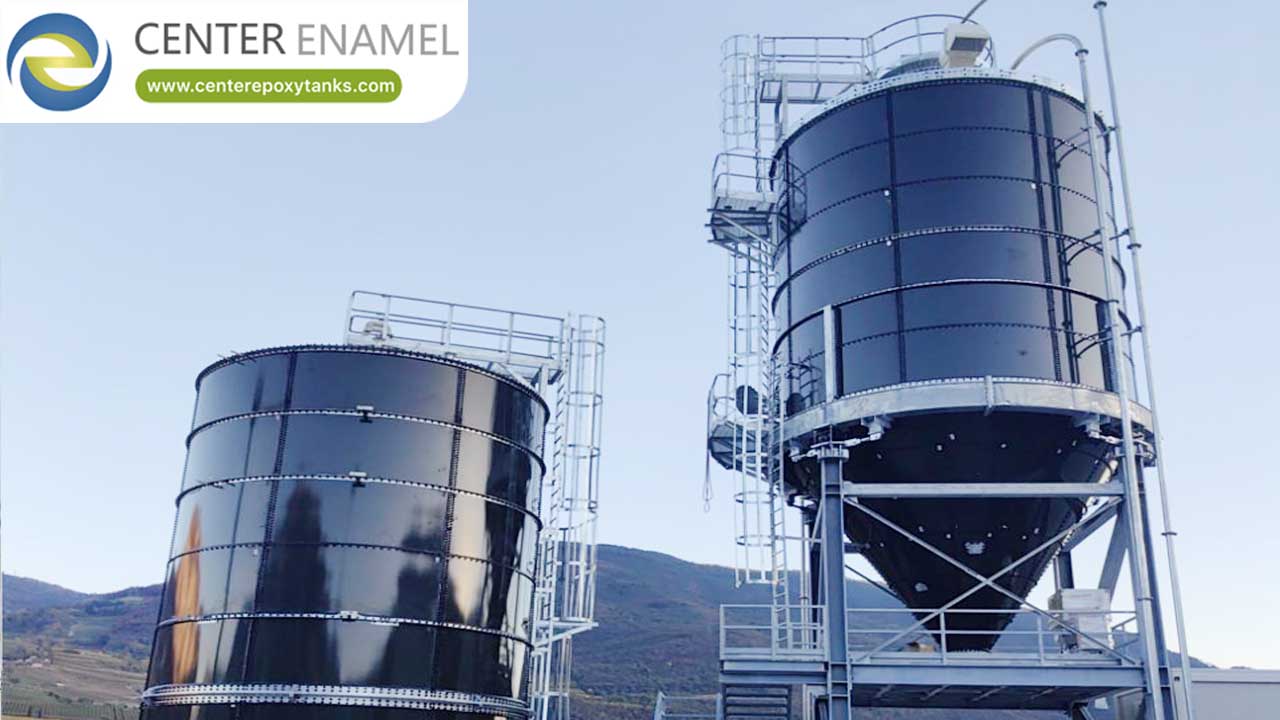
How Does a Steel Silo Store Fly Ash? Mechanisms, Systems, and Storage Principles
Fly ash—a fine, highly abrasive byproduct generated from pulverized coal combustion in thermal power plants—presents unique containment and handling demands. Because it is extremely hygroscopic and fine-grained, improper storage leads to severe compaction, bridging, and material spoilage.
A steel silo engineered for fly ash provides a hermetically sealed, structurally robust environment that protects the powder from moisture while integrating specialized mechanical systems to manage its unique flow characteristics from intake to discharge.
Step-by-Step Mechanism: How a Steel Silo Stores Fly Ash
Storing fly ash safely and efficiently inside a steel silo involves a synchronized sequence of pneumatic transfer, environmental filtration, and active flow management:
1. Pneumatic Loading (Intake)
Fly ash is typically transported to the storage facility by pneumatic bulk tanker trucks. The truck connects a flexible delivery hose to the silo's external fill pipe, utilizing high-pressure compressed air to blow the fine powder vertically upward into the top of the steel vessel.
2. Dust Separation and Air Filtration
As the high-pressure air and fly ash mixture enters the upper chamber of the silo, the air separates from the solid particles and escapes upward. A high-efficiency pulse-jet bag filter mounted on the silo roof captures airborne ash dust, shaking the particles back down into the storage tank to eliminate fugitive emissions and prevent material loss.
3. Hermetic Containment and Moisture Protection
Once inside the welded or bolted steel shell, the fly ash is completely isolated from ambient humidity, rain, and dew. Because fly ash hardens rapidly upon contact with moisture, the airtight seal of a modern steel silo is critical to maintaining dry, usable powder reserves.
4. Aeration and Fluidization (Preventing Compacting)
Fly ash particles tend to interlock and pack tightly under their own weight. To prevent bridging, ratholing, and dead zones, steel silos feature integrated fluidization air pads or aeration nozzles around the lower conical hopper. These pads inject regulated, dry, low-pressure air into the powder, temporarily restoring its fluid-like state.
5. Controlled Metering and Discharge
When fly ash is required for concrete batching or industrial processing, the bottom discharge gate opens, routing the aerated powder into mechanical screw conveyors, rotary airlocks, or pneumatic air slides for precise, dust-free transfer.
Technical Storage Stages & Equipment Matrix
Operational Stage | Primary Equipment Involved | Functional Objective in Fly Ash Storage |
Pneumatic Intake | Fill pipe, tanker truck compressor | Lifts fine powder vertically into the top of the steel vessel safely. |
Environmental Filtration | Roof-mounted pulse-jet bag filter | Captures airborne dust particles, ensuring zero-emission compliance. |
Structural Containment | High-tensile steel shell, roof safety valve | Protects ash from moisture ingress and manages internal pressure shifts. |
Flow Activation | Cone fluidization air pads and solenoid valves | Injects dry air to break compacted powder arches and ensure mass flow. |
Material Discharge | Bottom cone outlet, screw conveyor, rotary valve | Meters and transfers dry fly ash directly into batch mixers or trucks. |
Frequently Asked Questions (FAQ)
Q: How does a steel silo protect fly ash from spoiling?
A: A steel silo protects fly ash through airtight structural sealing that blocks ambient humidity, rain, and dew. Keeping moisture out prevents the fly ash from hydrating, caking, and hardening prematurely.
Q: Why do steel silos need aeration systems for fly ash storage?
A: Fly ash is a highly cohesive powder that packs tightly and bridges over discharge openings. Aeration systems (air pads) inject dry compressed air into the lower cone to fluidize the powder, ensuring smooth, continuous gravity flow.
Q: How is dust controlled when pumping fly ash into a steel silo?
A: Dust is controlled using a high-efficiency pulse-jet dust collector installed on the silo roof. As pneumatic trucks blow ash into the tank, the filter bags trap airborne particles while allowing clean air to vent safely.
Q: Why are steel silos preferred over open storage for industrial fly ash?
A: Steel silos maximize vertical storage capacity within a small footprint, eliminate environmental pollution and material loss from wind scattering, and protect the dry powder from weather-induced degradation.


